It didn’t come up in our conversation, but there was a great section in The Myth of Experience about the “remembering self” versus the “experiencing self,” and how “when it comes to happiness, moderation is key. Excessively striving to capture every moment of a given experience can have adverse effects on our experiencing selves. We may reduce the immediate joy those moments provide. We may also start doing things not because they make us genuinely happy but primarily because they produce moments that we can easily capture and share with others.” This reminded me of a talk I recently watched by The Marginalian writer Maria Popova. Popova has a huge Instagram following and posts beautiful nature photos, but in the talk she said: “I made a pact with myself…to not take a picture of anything ever until I’ve actually taken it in first, which means some of the most beautiful things I see I don’t document, because they’re fleeting.” Recent research has found that taking pictures can “undermine enjoyment” of an experience, particularly when the photos are taken “with intention to share.”
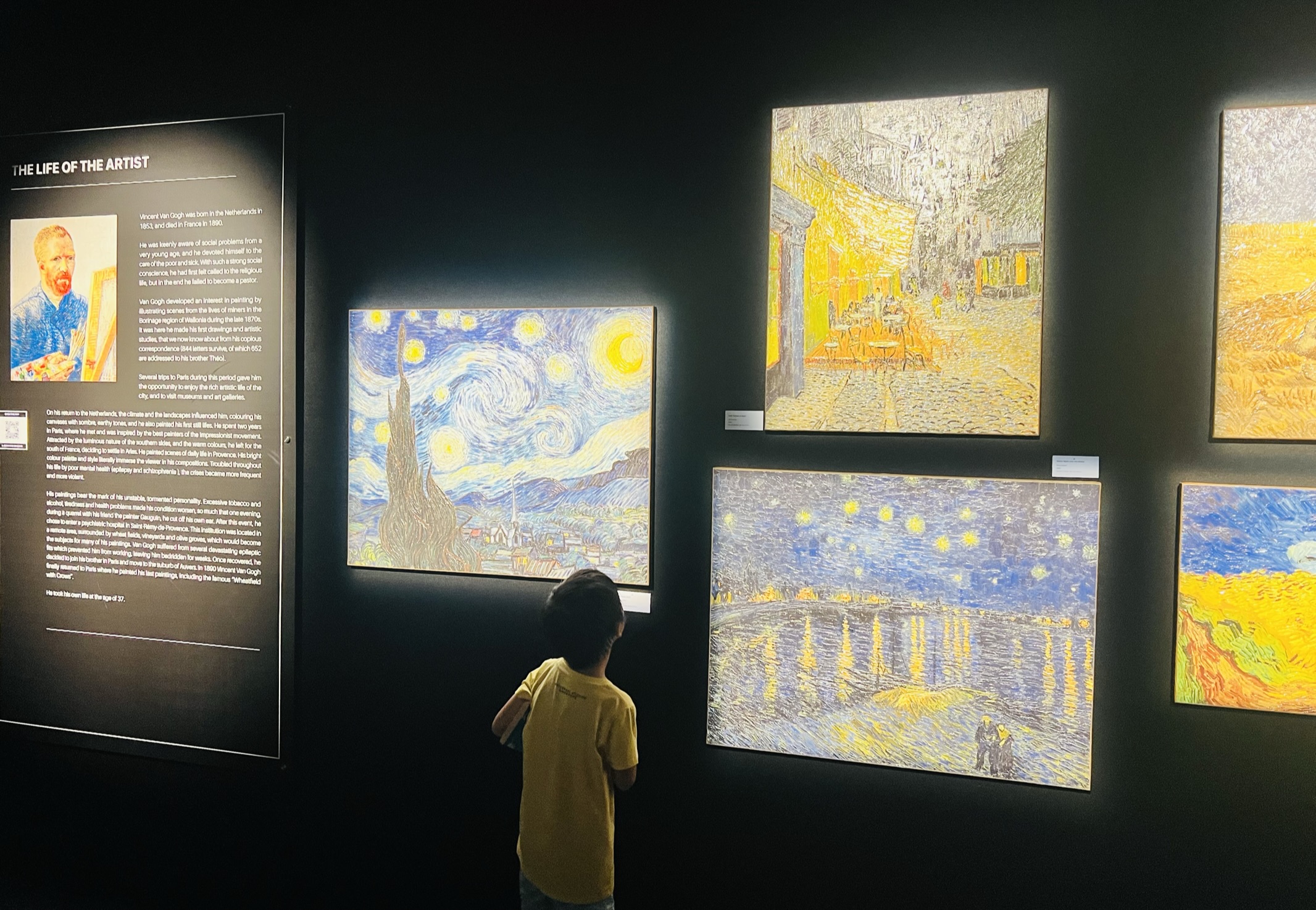
Overall a good experience, and I learned a few things about Van Gogh, like how he’s influenced by Japanese artists.
I envy the Japanese the extreme clarity that everything in their work has. It’s never dull, and never appears to be done too hastily. Their work is as simple as breathing, and they do a figure with a few confident strokes with the same ease as it it were as simple as buttoning up your waistcoat.
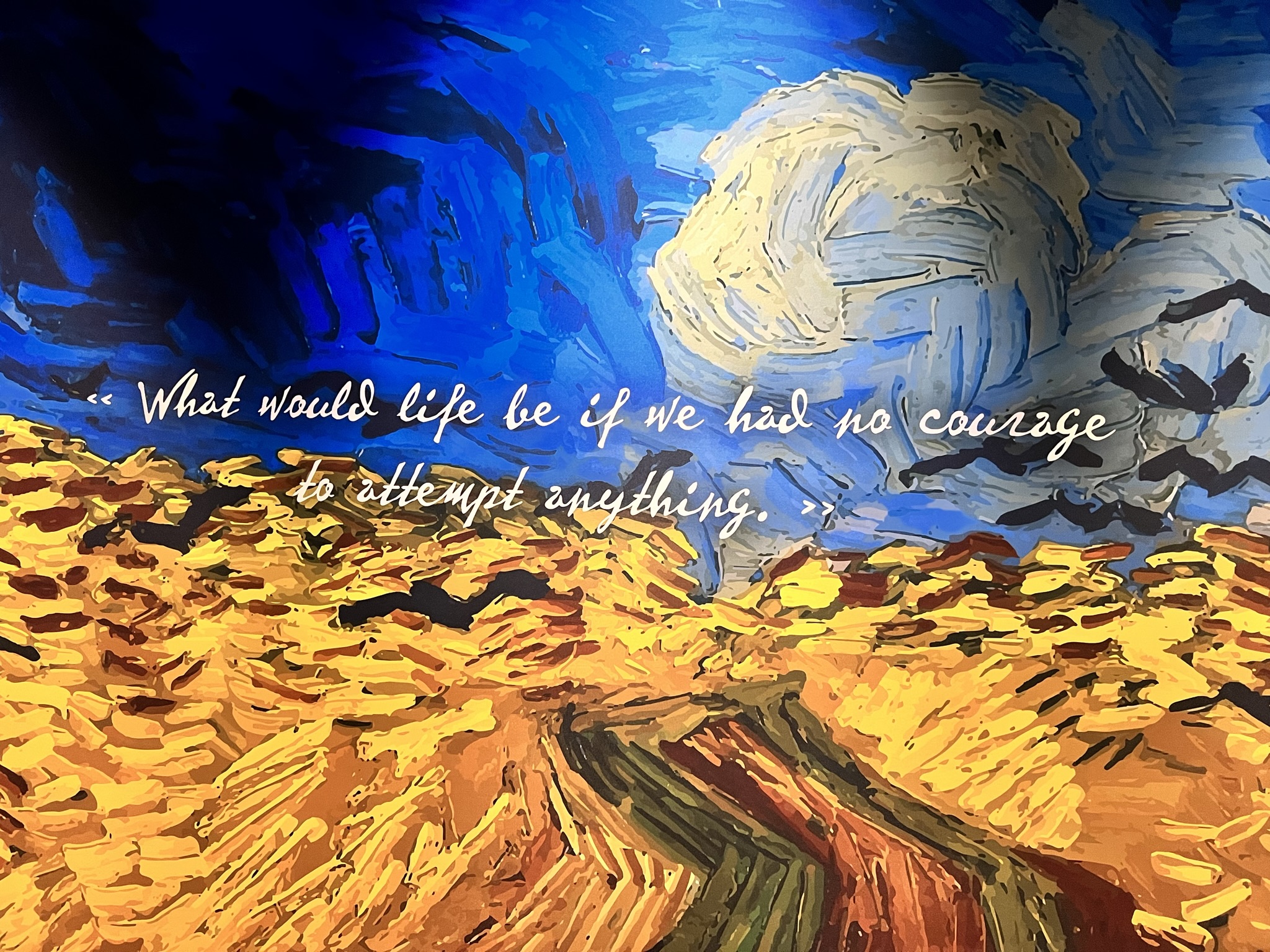
Just slap anything on when you see a blank canvas staring you in the face like some imbecile. You don’t know how paralyzing that is, that stare of a blank canvas is, which says to the painter, ‘You can’t do a thing’. The canvas has an idiotic stare and mesmerizes some painters so much that they turn into idiots themselves. Many painters are afraid in front of the blank canvas, but the blank canvas is afraid of the real, passionate painter who dares and who has broken the spell of `you can’t’ once and for all.
Kids are a source of wonders, but also frustrations.
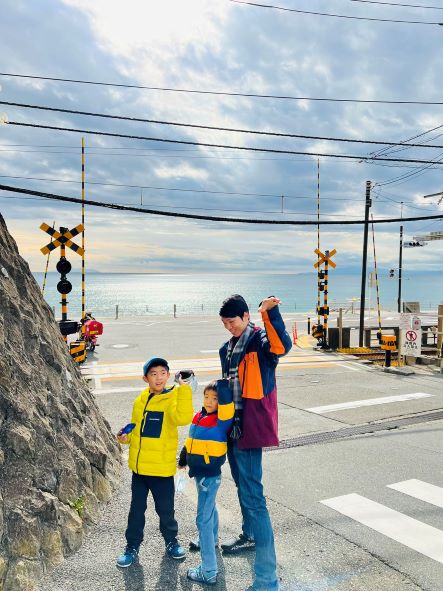
Traveling with young kids can be extremely taxing, but they also create great memories.
Luckily, in most cases we tend to remember the good times, and forget the daily frustrations.
Or in Kahneman’s terms, our experienced self might feel stressed, but our remembering self will thank us for creating those special memories.
I often remind myself to take a long view, focusing on building good relationships while downplaying the daily, short term stuff that annoys me. But it’s easier said than done.
My two boys and I started learning the piano at around the same time two years ago.
We came up with a friendly competition, that whoever passes the ABRSM level 8 first would be entitled to a Grand Piano for the family. Qualifications don’t matter to me at this point, but it’s nice to have a little shared goal.
One day I noticed that the boys have good ears and can remember lots of soundtrack music from the video games we played. After some research and testing, I found out that they both have perfect/absolute pitch (i.e. can identify the notes/chords played on a piano without reference note).
Suddenly my little rivals seem to have levelled up with a special talent (along with the other advantages kids have), while I can only practice harder and smarter, and hope that I won’t be left in the dust.
I added some of their recordings to my channel to document our journey together (the recordings they like and want to post).
There’s a fine line between success and failure. Often there’s only one chance in a situation. You either make it or lose it all.
David Goggins called it the one second decision, whether an MMA fighter taps out or bet his health and future to have a chance to win.
Great athletes often have that mental toughness. Ex-NBA player Chris Bosh wrote in his book, Letters to a Young Athlete:
Pain is temporary; glory is forever. If you want to excel, you have to get used to the pain. You have to get used to exhaustion. I can’t promise you that it will ever be a comfortable feeling, but I can guarantee you that you can become familiar enough with it that you can visit that mental and physical space on your path to getting better and not have to worry that you’ll crumple under the pressure.
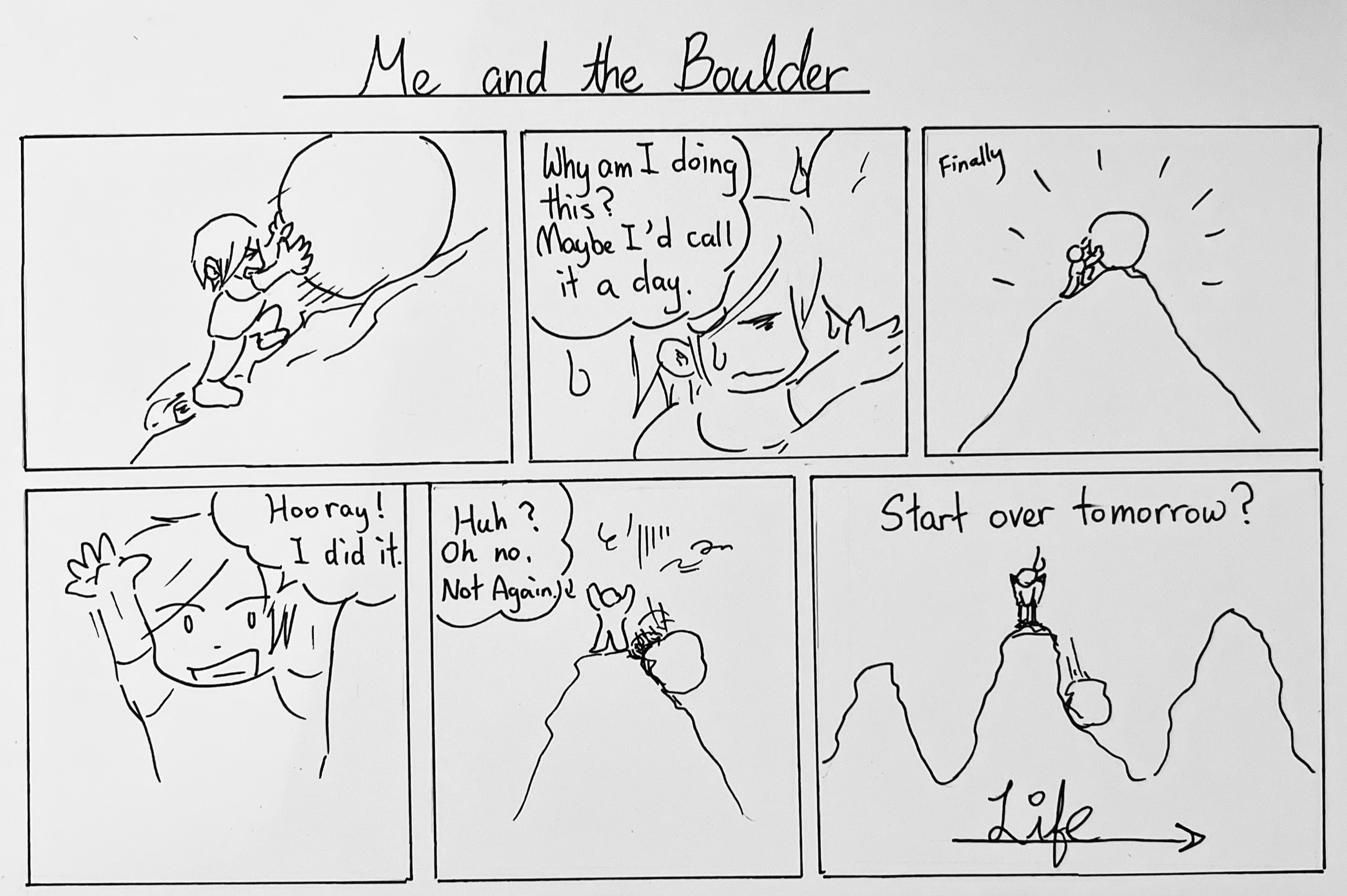
There were times when I didn’t train enough and struggled in the middle of a long distance run, I’d find myself with thoughts like ‘why am I doing this’, or ‘this is silly and meaningless.’ Luckily I was too ashamed to quit in those official runs. On a smaller scale this is something I face in my daily exercises. If I quit frequently, it’d no longer be a habit.
Quitting once gives us a precedent to quit again, while persisting despite discomfort trains our mental toughness. Chris Bosh put it well: “You become capable of the grind by surviving the grind.
So is quitting bad? Not necessarily.
Annie Duke argues that we are often too reluctant and slow to quit (we don’t ignore sunk costs and value opportunity costs properly). If we persist in something that doesn’t fit us, we might waste a lot of time. Ralph Waldo Emersion said: “All life is an experiment. The more experiments you make the better.” Quitting gives us opportunities to try more things.
But does quitting also make us a jack of all trades? Some call those who die on their quests to climb Mount Everest reckless. But often it’s also those who don’t know when to quit make history.
There is no correct answer. I think it’s best to experiment enough to know what we like, and then put in effort to be as best as we can in the area we want to pursue. Quitting shouldn’t happen when we are in the middle of a tough situation, but when we calmly reflect on our priorities in life.
We have to enjoy the whole process, the struggles as well as the accomplishments. What would I be willing to do day in and day out to master or achieve something?
Again from Chris Bosh:
You have to figure out how to love it – all the sprints, all the miles, all the weights, all the preparation. Pretend you love it, trick yourself into loving it, whatever it takes…
Your blessing in life is when you find the torture you’re comfortable with…it’s work, it’s exercise. Find the torture you’re comfortable with and you’ll do well.
I’ve been running 5-8K daily for years, following Murakami’s footstep. It’s a routine that helps me stay fit and sane. As it’s a daily habit, I mostly run similar routes, so it’s not particularly exciting. Even though it might not feel fun at the moment, it’s essential for me, as it helps calm my mind and feel better about myself.
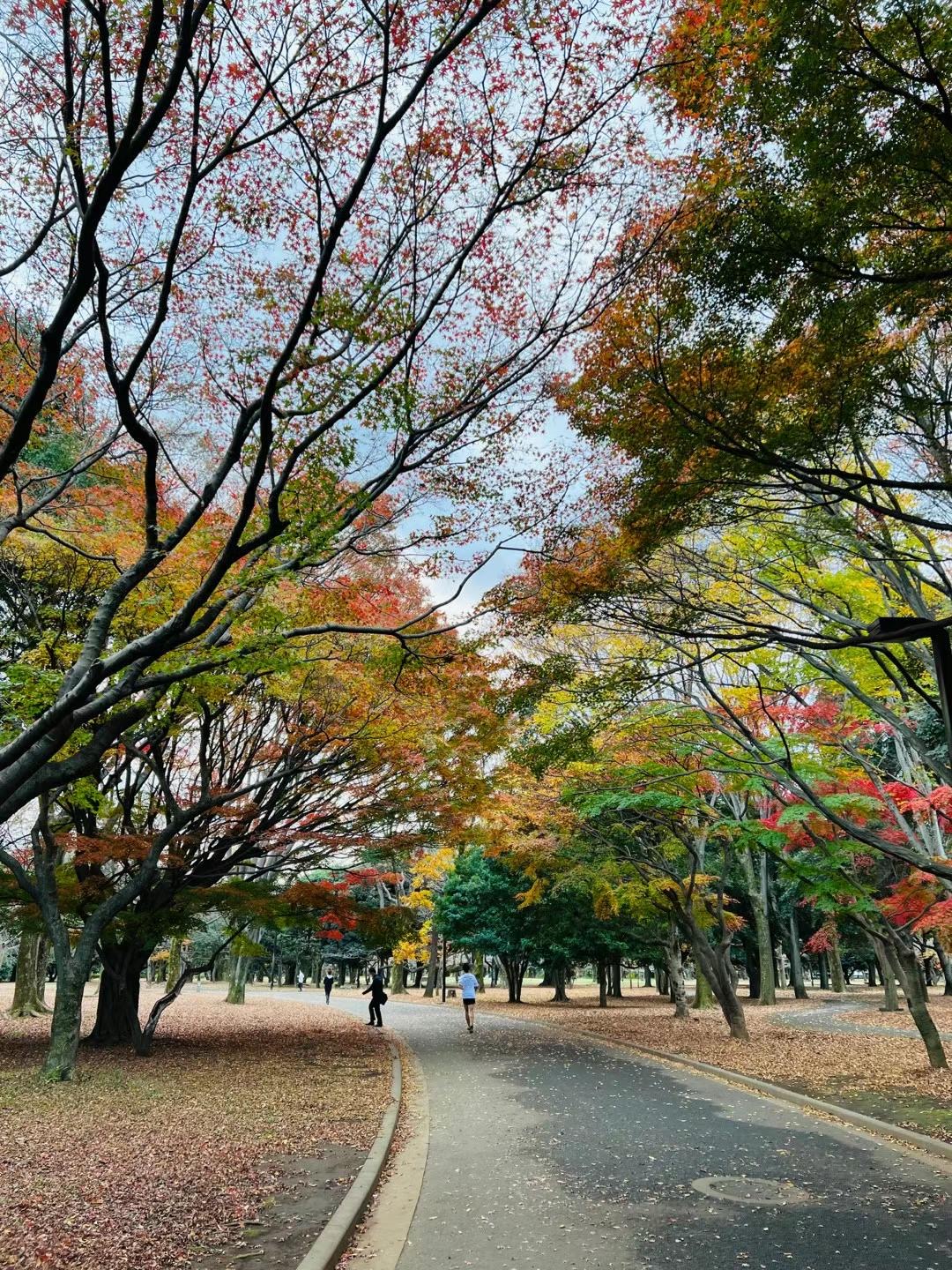
Running in new cities, whether during work or tourist trips, are different. They are novel and fun. I find it much easier to do longer runs in new cities, and think it’s a great way to experience the cities’ layout, sights, and people.
Being able to run outdoor in a new place has become one of my favorite things to do during travel.
It seems like we all feel nostalgic towards certain period. For me it’s the late 80s-90s. The music, shows, and anime/manga during that period still invoke emotions and memories.
The ‘First Love’ Japanese drama series on Netflix revisits some popular themes from that period (e.g. Titanic, Utada’s songs). Watching the new Slam Dunk movie also reminds me of the times when basketball was a much bigger part of my life, while walking around Tokyo, where there are still Tower Records store, remains me of the time I spent sampling music after school.
Recently Netflix added lots of old anime I watched when I was young (e.g. Slam Dunk, Rama 1/2, Yuyuhakusho). With so many options out there and limited time, I probably won’t be watching most of them. But it feels nice to introduce some of the things I used to like to my boys as a kind of shared interests/experience. So if my kids are interested in any of them, I’d try to find time to watch with them.
For now, I’m grateful that we already share some common interests in basketball, piano, and games. And I look forward to more activities that we’d enjoy together.
Occasionally I would feel that life is meaningless. What’s the point of exercising, making more money, or getting better at my hobbies if we are all going to deteriorate, pass away, and be forgotten at some point?
Luckily this nihilistic feeling doesn’t appear often, and mostly when I don’t feel well. So good night sleep, exercise, and nutritious food would usually solve the problem.
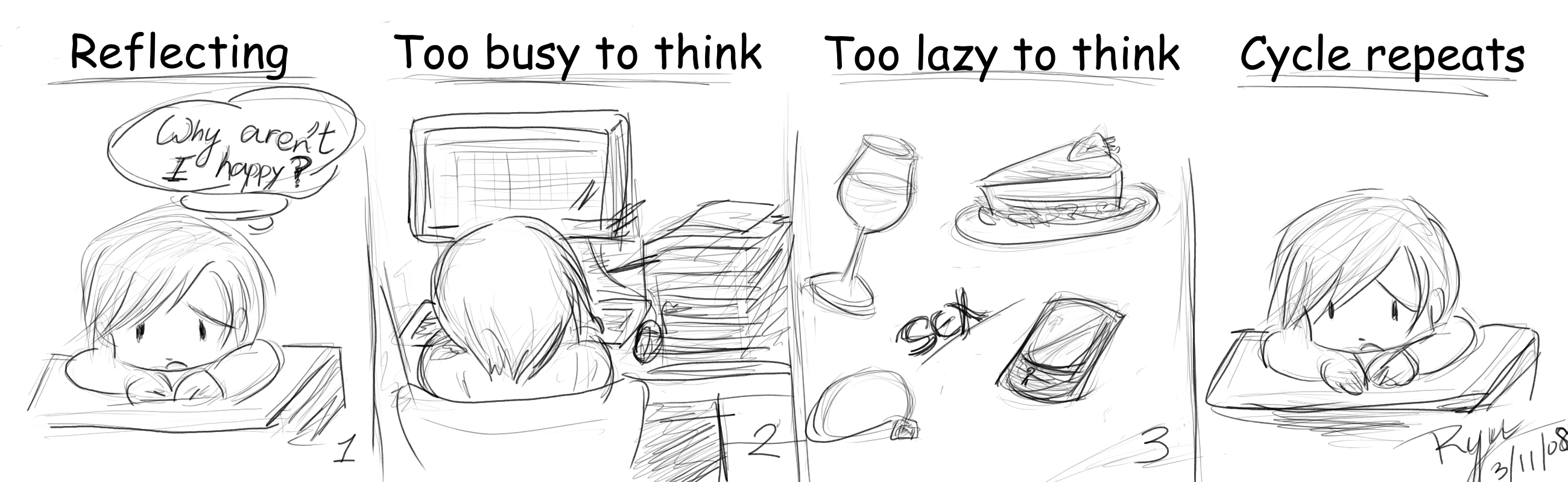
Learning and improving, tackling small challenges, building good relationship, and experiencing something new all give me satisfactions. There are no end to these pursuits, so I should be able to find activities that keep me engaged at any time.
Overall I’m happy to be alive and be able to find or create meanings, including in many simple and little things in life.
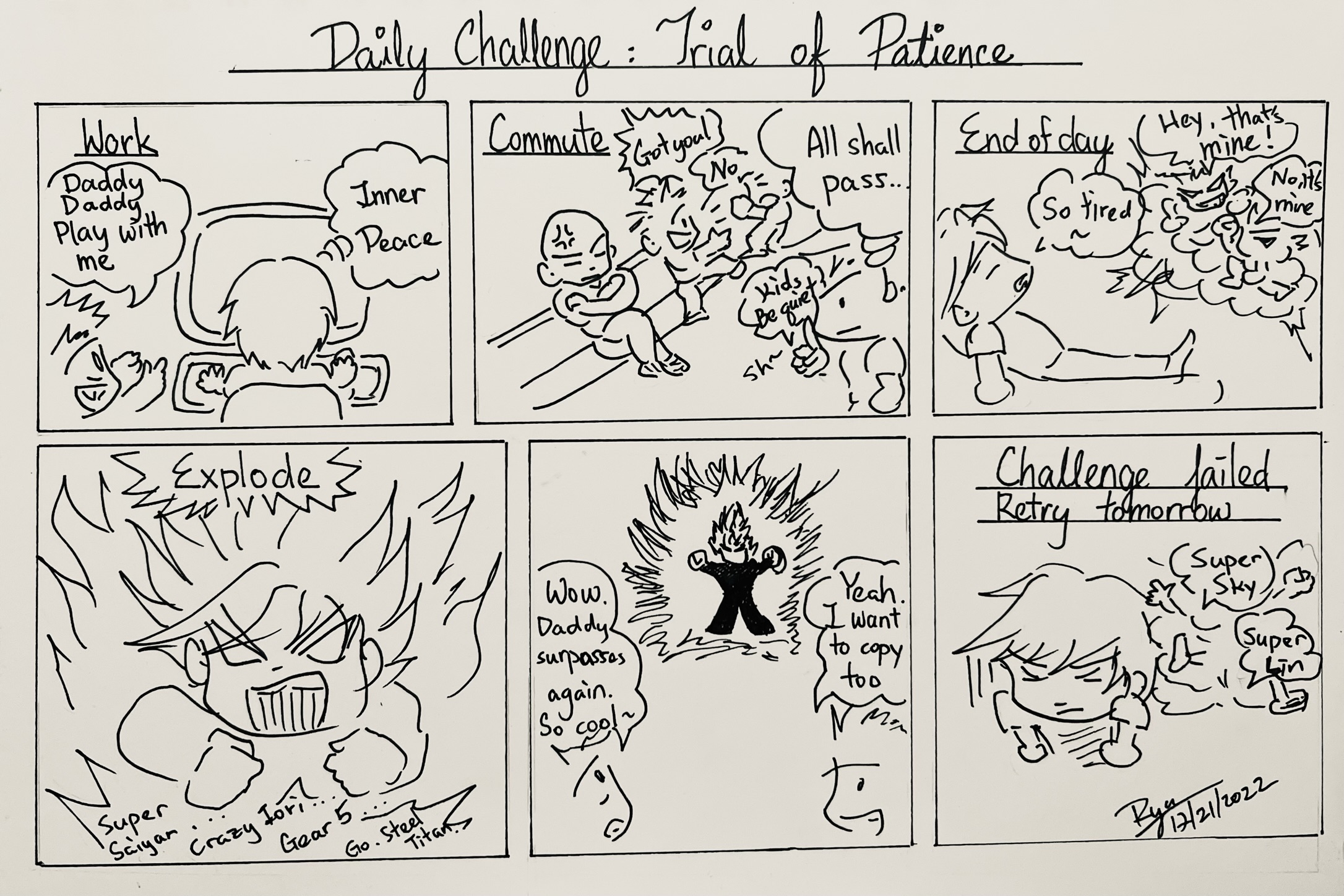
We know relationship is ultimately what matters. So why do we get impatient so easily? No tolerance for incompetence or laziness? Helping others to develop better habits or to improve? All these might be legitimate reasons, but often they are self-serving. And usually they don’t facilitate long term behavior change and just worsen relationship. So less shaming and punishment, and more love and kindness.

 Ryu's Blog