Feeds:
Posts
Comments

Archive for August, 2023

In a recent post, David Epstein quoted an interview with Murakami back in 2004:

When I’m in writing mode for a novel, I get up at four a.m. and work for five to six hours. In the afternoon, I run for ten kilometers or swim for fifteen hundred meters (or do both), then I read a bit and listen to some music. I go to bed at nine p.m. I keep to this routine every day without variation. The repetition itself becomes the important thing; it’s a form of mesmerism. I mesmerize myself to reach a deeper state of mind. But to hold to such repetition for so long—six months to a year—requires a good amount of mental and physical strength. In that sense, writing a long novel is like survival training. Physical strength is as necessary as artistic sensitivity.

Murakami mentioned ‘writing mode’, which suggests different cycles of focused work. Cal Newport mentioned something similar in his recent podcast on a 4 month period to reinvent one’s life. He provides specific plans, with the first step being the discipline layer by setting up 3 key daily habits (one on professional, one health, and one personal) for the first two weeks.

I like the idea of having different 3-4 months focused mode within a year, which is a good way to avoid the December/January habit changing peak season trap. But I find it hard to stick to a weekly or daily planning routine.

Whether we call it discipline, grit, or habit, smart effort sustained over time tends to produce results. Since we all have different genetic endowments, it makes more sense to measure our progress against ourselves than others. For late bloomers (and I would consider myself one), we might feel like it’s too late to start many pursuits. But there’s no point in lamenting things that we didn’t learn or do in the past. We may not become the best in any pursuit, but we can improve in many of them. The good thing is, no one knows what potential we have, and it’s good to have aspirations and pursuits regardless of our age.

Andrew Huberman has a good summary of recent research on goal setting.

Read Full Post »

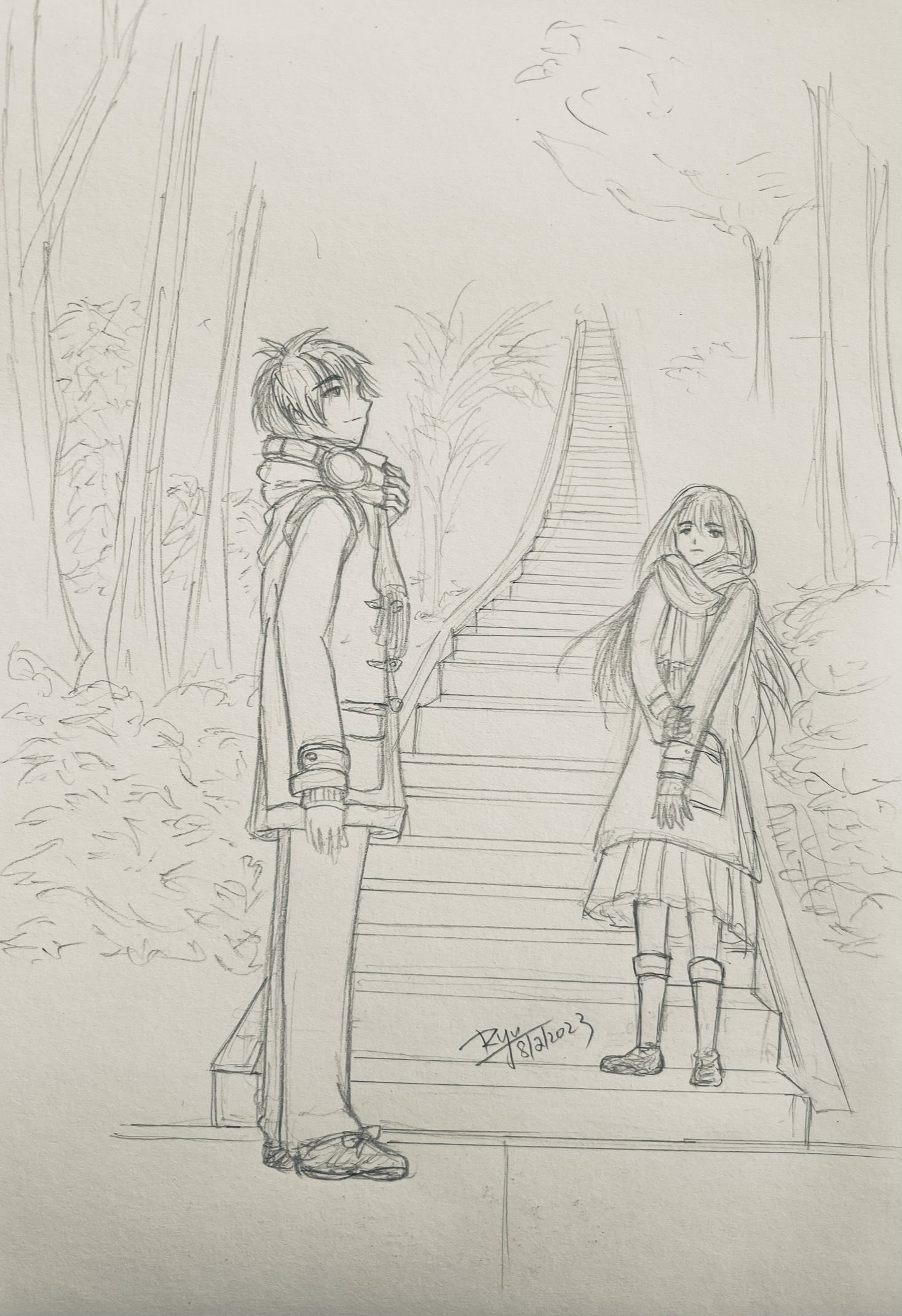
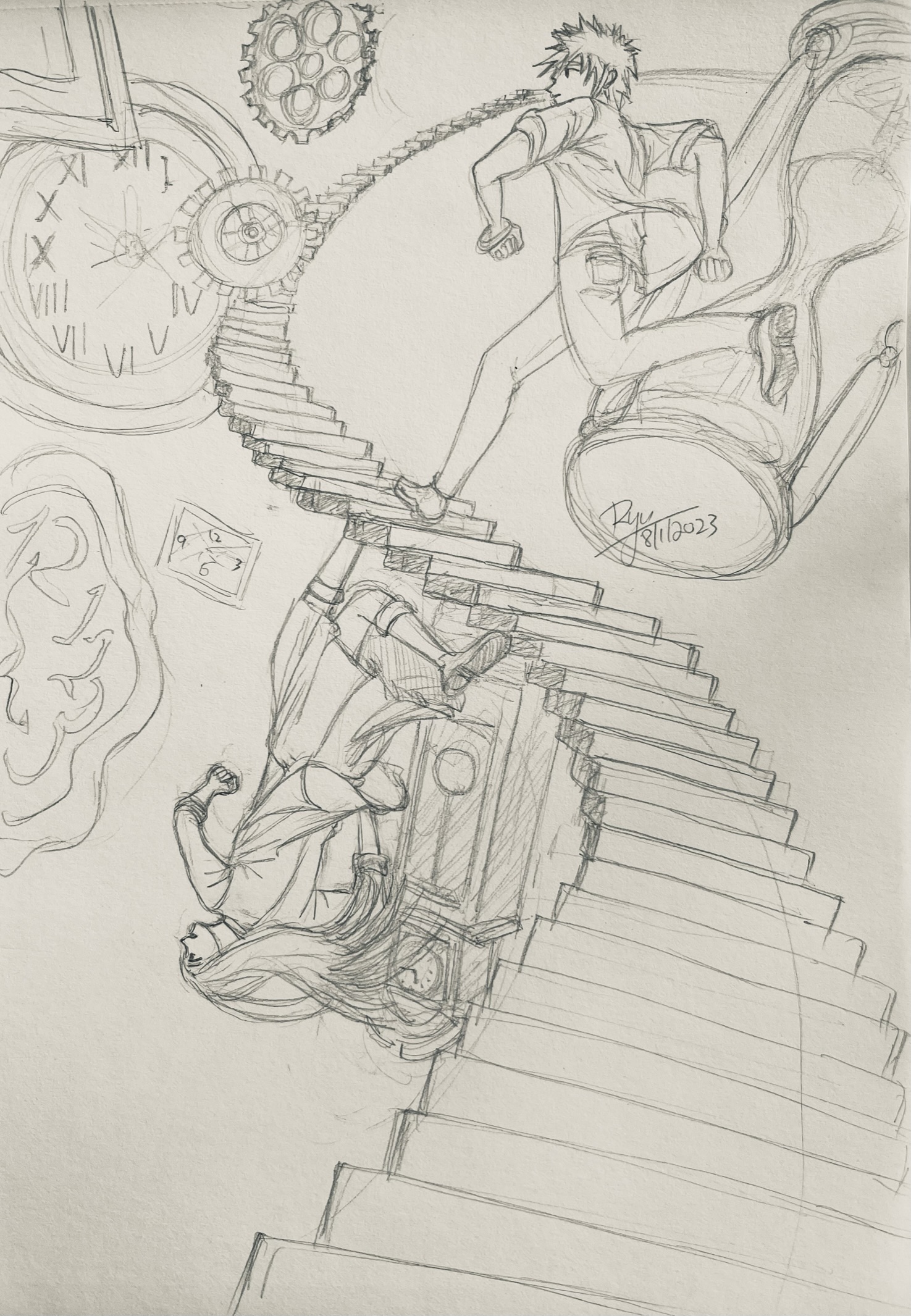
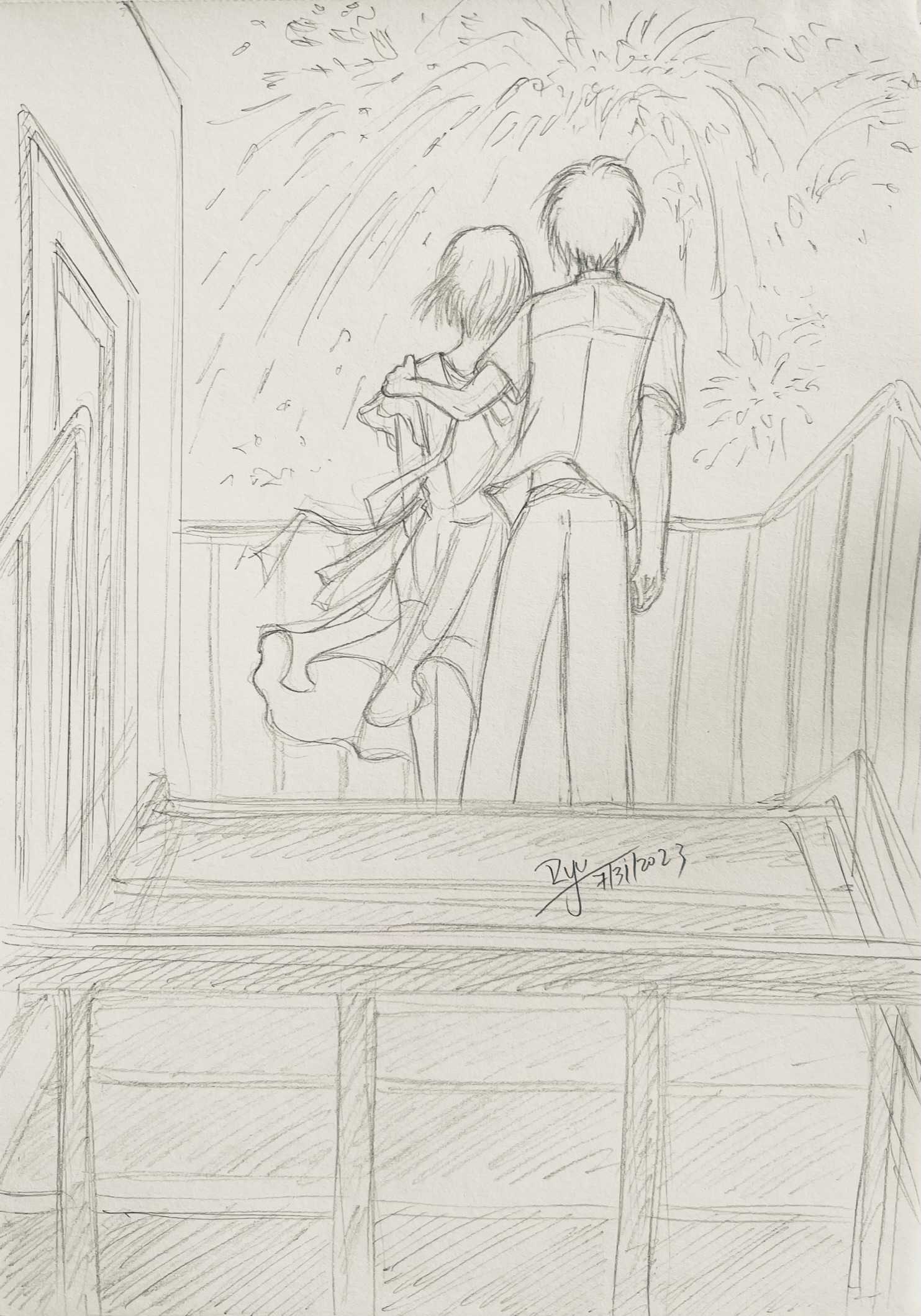
Sketches VIII

Read Full Post »

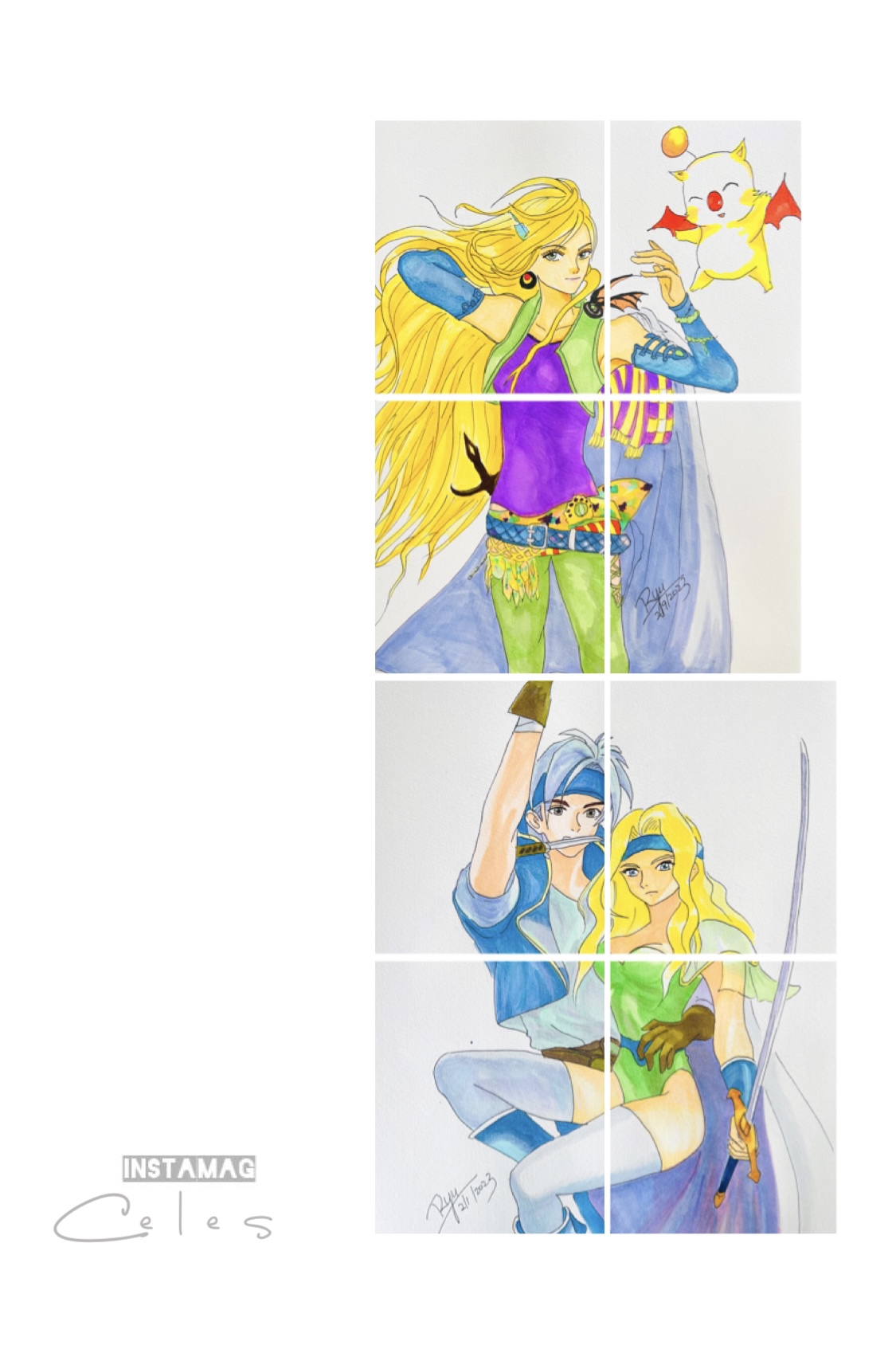
I have fond memory of this game, as it was the first JRPG I played. I think it stands the test of time even after two decades. Nobuo Uematsu’s soundtrack was great, and this simple opera scene was nicely done. It successfully kindled my kids’ interest in musical/opera.

Lyrics:

Oh, Maria
Oh, Maria
Though I call you from afar
Will this message reach your heart?
Oh, how I long to be with you

Oh my hero, my beloved,
Shall we still be made to part?
Your promises of perennial love
Yet sing here in my heart

I’m the darkness, you’re the starlight
Shining brightly from afar
Through hours of despair, I offer this prayer
To you, my evening star

Must my final vows exchanged
Be with him and not with you?
Were you only here to quiet my fear!
Oh, speak, guide me anew

Maria!

Draco!
I knew you would return to me, my love

Insolent rogue! Knave of the western hold!
Would you address my queen-to-be Maria?

Never shall you have Maria’s hand
I will die before that day comes

Then we duel!

I yield, this day is yours, Draco
Curse you, should you let Maria go

Peace then, for you have my word
With me, she’ll know nothing of this

Maria! Maria!
I love you so!

Ralse y Draco:
Maria! Maria!
Return to me!

I am thankful, my beloved
For your tenderness and grace
I see in your eyes, so gentle and wise
All doubts and fears erased

Though the hours take no notice
Of what fate might have in store

Maria, Draco and Ralse:
Our love, come what may
Will never age a day
I’ll wait forevermore

Read Full Post »

Sketches VII

Read Full Post »

Being Present and Connect

Enuma Okoro thinks we’re all part of life’s great orchestra:

What a beautiful thing a group rehearsal is. The coming together of people skilled in different instruments, where each person is integral to the whole. Each player has to trust that others will be willing to listen closely, cognisant of the collective efforts that are needed to succeed. But what is also vital is that each person is attentive to the present moment, keeping to the beat while remaining in anticipation of the next note. You can’t focus on how bad or good yesterday’s performance was. Nor can you place your energy in worrying about tomorrow’s performance. It is by attending to how you play today, what you are willing to exert today with the instrument in your hands, that tomorrow’s performance is given any chance.

As we work towards solutions to our individual and collective problems, a challenging mental leap might come in thinking about who and what are part of the orchestra of life. Working within the interdependence of all creation is a necessary part of collaborating in the present towards a better today and tomorrow, keeping the world charged with a generative and fecund vitality.

Read Full Post »

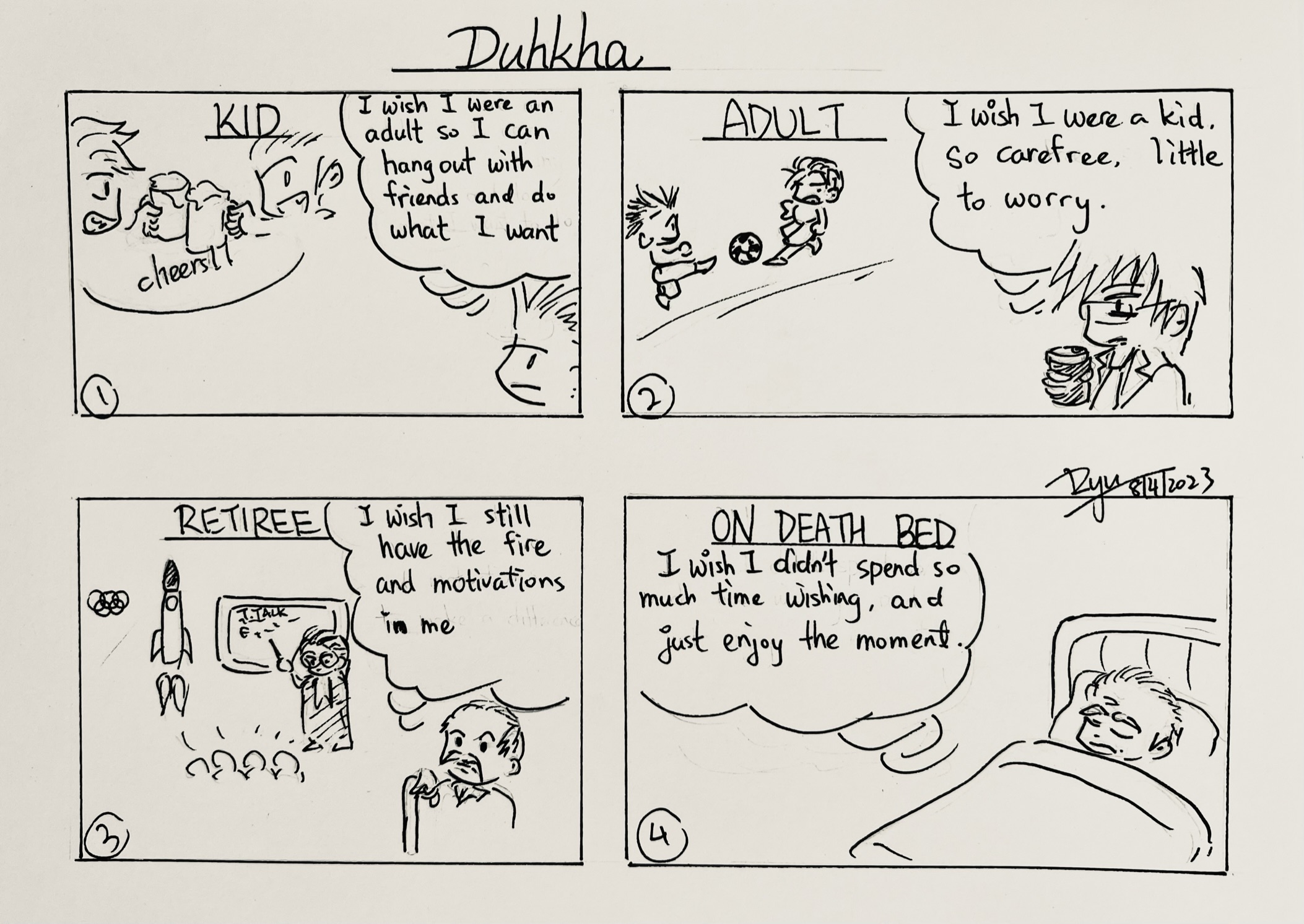
Duhkha

“We are always getting ready to live but never living” – Ralph Waldo Emerson

Duḥkha: commonly translated as “suffering”, “pain”, or “unhappiness”…Its meaning depends on the context, and may refer more specifically to the “unsatisfactoriness” or “unease” of mundane life, not being at ease when driven by craving/grasping and ignorance.”

Read Full Post »

Sketches VI

Read Full Post »

Some great advice from Bryan Caplan on finding a partner. I like the way he thinks about things, perhaps because our brains are wired in a similar way or we share similar interests in social science. We don’t need to come to the same conclusions nor have the same convictions in our beliefs. But it’s a good approach to based our thinking on supported findings with a healthy dose of common sense.

One of his recommendations is to ask to hold hands on the first date. I remember back in high school, I lacked the courage to even ask until many dates later.

Excerpts:

Humans are good at hedonically adapting to most material conditions. You get used to your house, your car, your clothes, your granite countertop, and your money. What humans are bad at hedonically adapting to is… other people. If you spend a lot of time around humans whose company you enjoy, you will probably be happy. If you spend a lot of time around human whose company you detest, you will probably be unhappy.* Over your lifetime, you will probably spend more time around your spouse than any other human. So while finding good friends and good co-workers is crucial for happiness, finding a good spouse is even more so…

The greatest mistake young people make, especially young males, is giving looks a high priority and personality a low priority. This is beyond foolish. If the most beautiful woman in the world has an ugly personality, you will be soon be miserable….If this sounds hard, I bring good news: If someone has tolerable looks and clearly likes you, you can often become physically attracted to them…

A good personality is your top priority, but what personalities are “good”?…look for partners who are: happy, rational, loyal, and self-disciplined – and avoid partners who are sad, emotional, fickle, and impulsive…

If you prefer the framework of the canonical Five Factor Model of personality:

First and foremost, strongly prefer partners with low Neuroticism (also known as high “Emotional Stability”)….

Secondly, strongly prefer partners with high Conscientiousness. Low Conscientiousness folks can be fun friends, but chiefly because you aren’t responsible for bailing them out of the messes they habitually get themselves into. And if you’re getting married in the first place, you should be with someone who takes the strictures of marriage seriously…

“High Agreeableness” people are “nice,” but they’re also unreasonable and emotional. You don’t really want a partner who is “nice to everyone”; you want a partner who singles you out as supremely deserving of nice treatment.

For the remaining two traits, Extraversion and Openness, your best bet is to find someone similar to yourself. Especially because these are the main traits that predict what activities you will enjoy: People who like big parties (typically high in Extraversion) should pair with other people who like big parties; people who like action movies (typically low in Openness) should pair with others who like action movies…

If you want kids, remember that virtually all traits are heritable. Always ask yourself, “Does this person have the traits I want my kids to have”? While you may joke, “I don’t want ugly kids,” there’s nothing funny about having kids with bad personalities.

Intelligence is not technically a “personality trait,” but it functions much the same. High intelligence is our best predictor of material success and many other desirable outcomes, but if the intelligence gap between partners is too high they won’t be compatible. Communication across a 20 IQ-point gap is too hard, and so is finding common interests.

While common interests are good, common values are better. The difference is hard to define, but easy to illustrate. Backpacking is an interest; desired family size is a value. I am always amazed by couples who have been together for years without discussing how many kids they hope to have…

It’s the marriage market. Don’t just think of yourself as a consumer, asking “How can I get what I want?” Simultaneously think of yourself as a producer, asking, “How can I be what she wants?” Thoughtful search and energetic self-improvement are two great things that go great together. Start by avoiding the standard human flaws of impulsivity, self-absorption, laziness, and self-pity, as well as the standard male flaws of faithlessness, insensitivity, machismo, and drunkenness. And yes, figure out what you want to do with your life…

My 11-year-old daughter vocally opposes changing yourself to better please the marriage market. “You’ve got to be true to yourself,” she declares, with poetic wisdom beyond her years. My reply: Sure, you should think twice – nay, thrice – about violating your conscience for romantic rewards. But what if the marriage market rewards changes that you yourself classify as self-improvement? When the marriage market rewards you for working hard, and you agree that you ought to adopt a better work ethic, hard work is “true to yourself.” We’re all flawed human beings, so you have plenty of room to self-improve with pride. And if women like you better as a result, that speaks well of them, not badly of you.

Read Full Post »