Feeds:
Posts
Comments

Archive for June, 2026

Recently, I have been wondering whether it is worth going to concerts and shows that start at night. They often end late and disrupt my sleep routine. For some concerts, I have listened to several renditions and largely know what to expect.

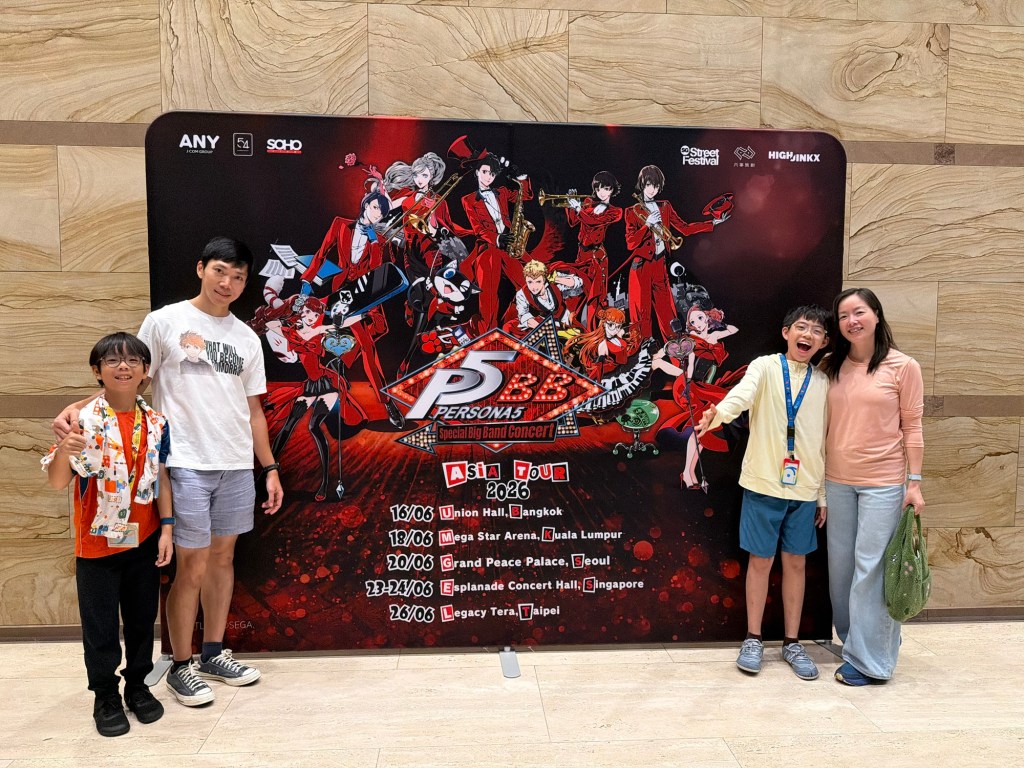
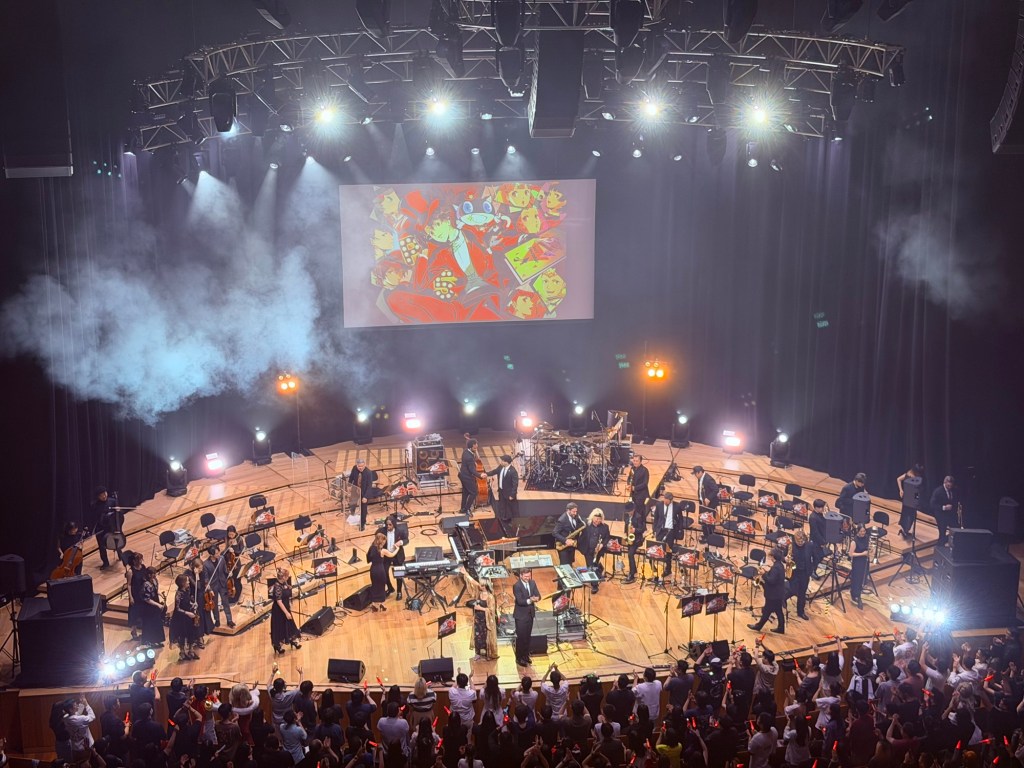
But the recent Persona 5 concert made me reconsider. Persona 5’s music, a mix of jazz and rock with a wide range of instruments, felt especially fun and engaging live. Lyn’s singing was fantastic, and the saxophone solos reminded me of my university band days.

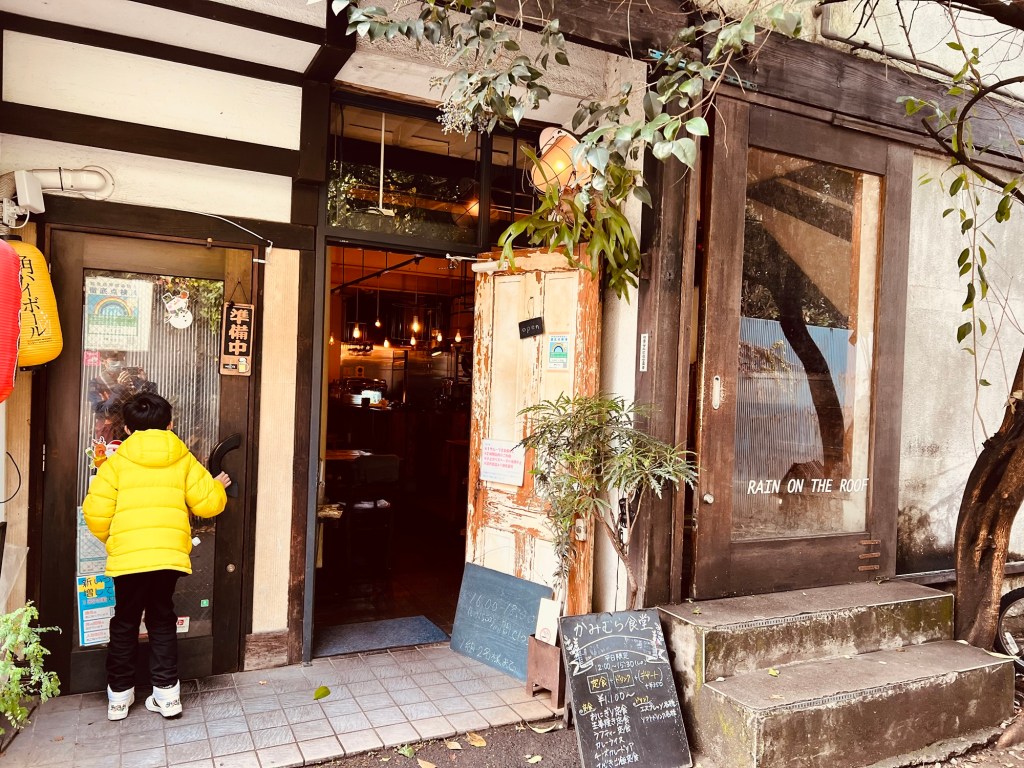
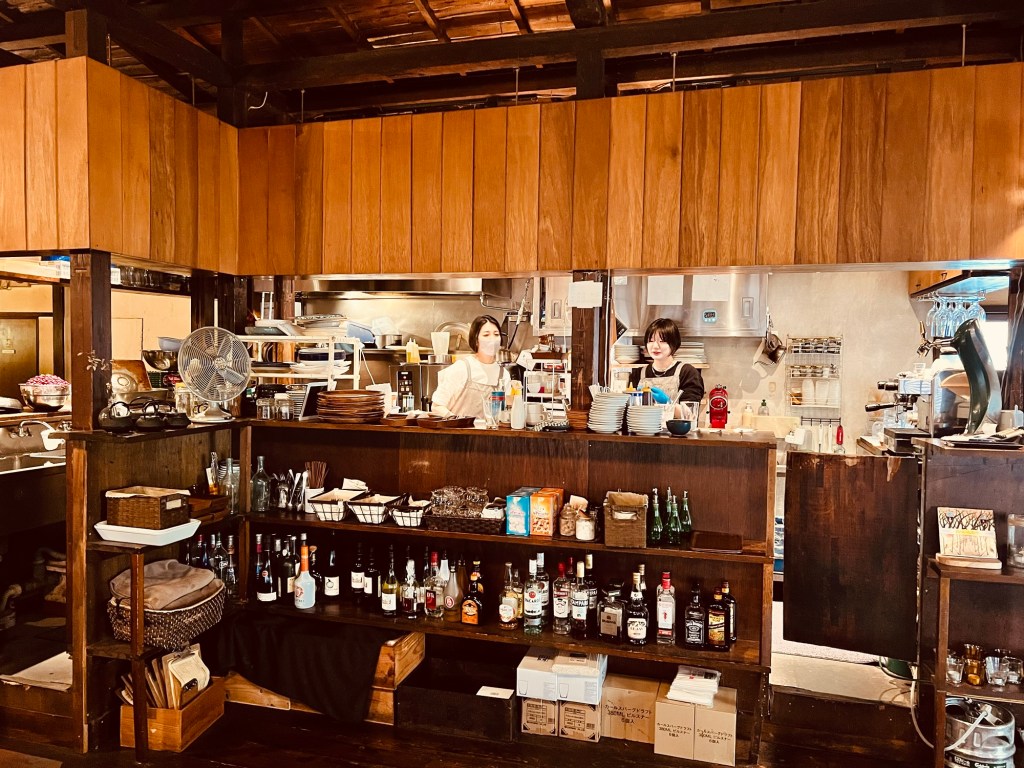
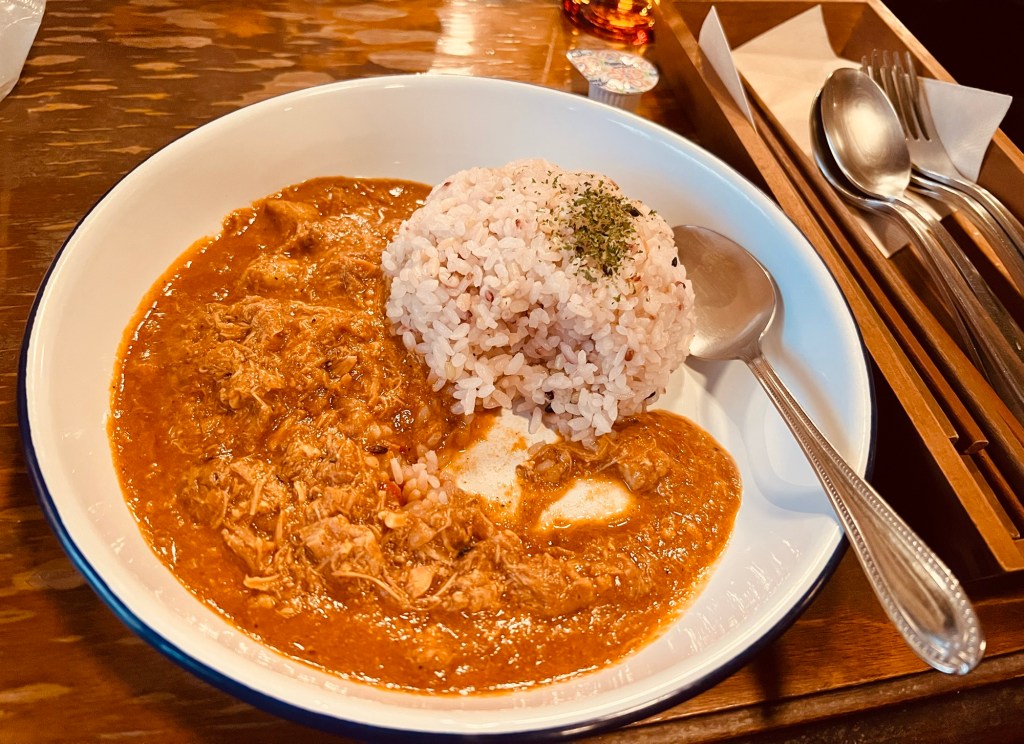
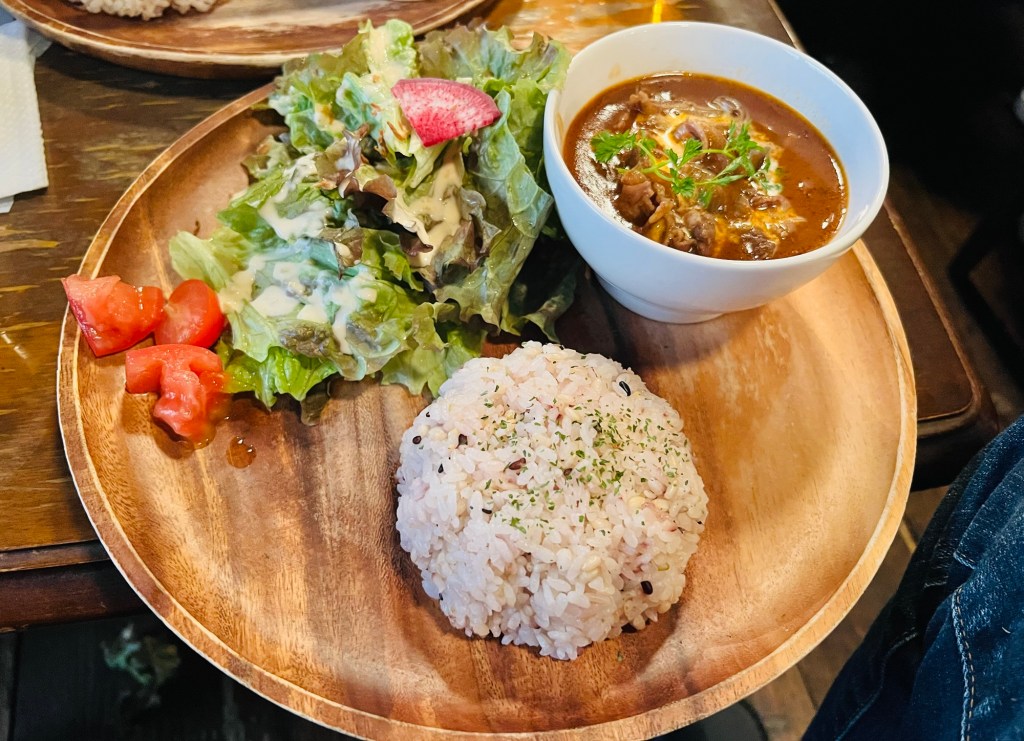
Persona 5 was the first game I played in the Persona series, so it is particularly memorable to me. Spending long hours with the game immersed me in its world and music in a way that watching highlights or summaries never could. On one of my previous trips to Tokyo, we visited Sangenjaya to look for the cafe that inspired Sojiro’s cafe in the story, and had delicious curry and coffee there.

It is hard to know in advance whether a concert or show will be worthwhile. I think I can be more selective, perhaps skipping events where I know what to expect, while leaving room to explore different kinds of performances. Serendipity is a little like a treasure hunt. Once in a while, we come across something that excites or inspires us, and we feel glad that we kept exploring, even when there were costs and effort involved.

PS: Travel also requires effort, disrupts routine, and affects sleep, but is often worth it. Ryan Holiday thinks it’s always worth the trouble.

Read Full Post »

Read Full Post »

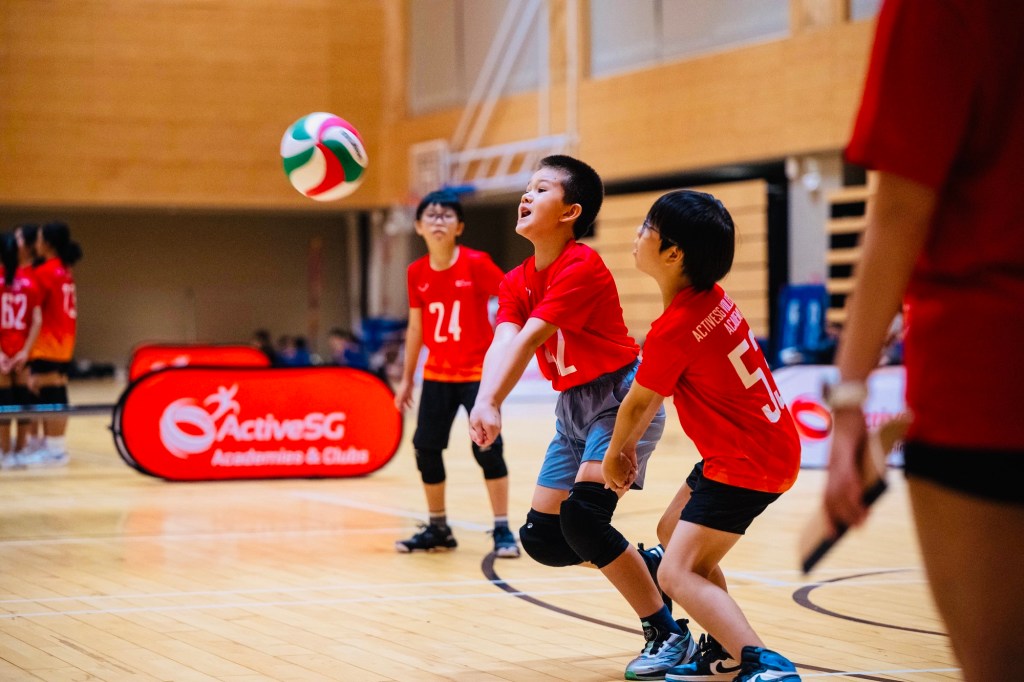
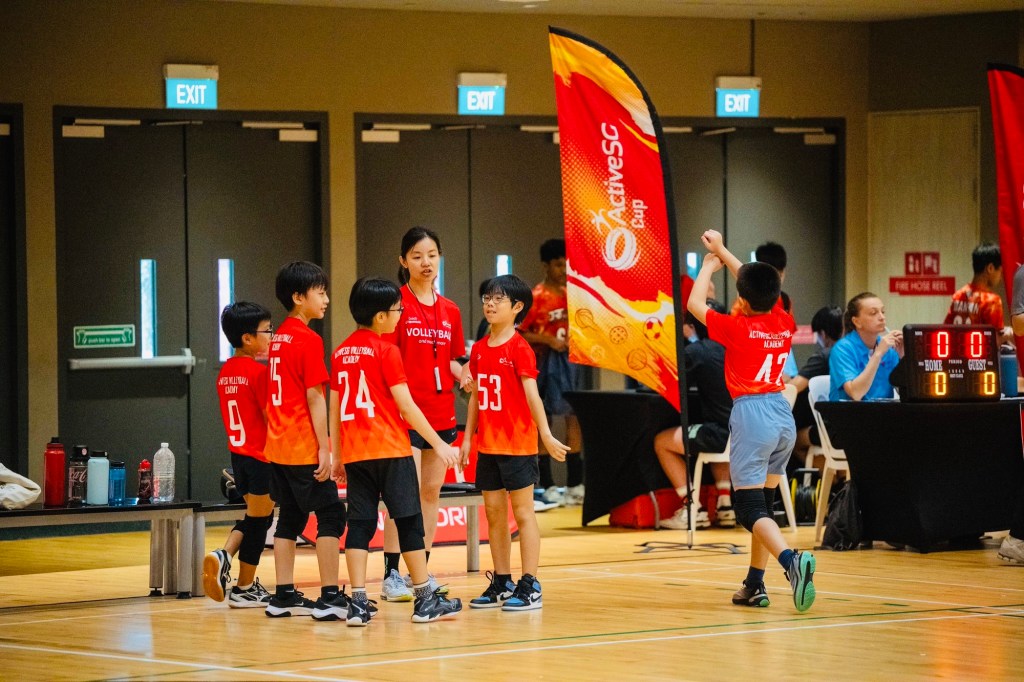
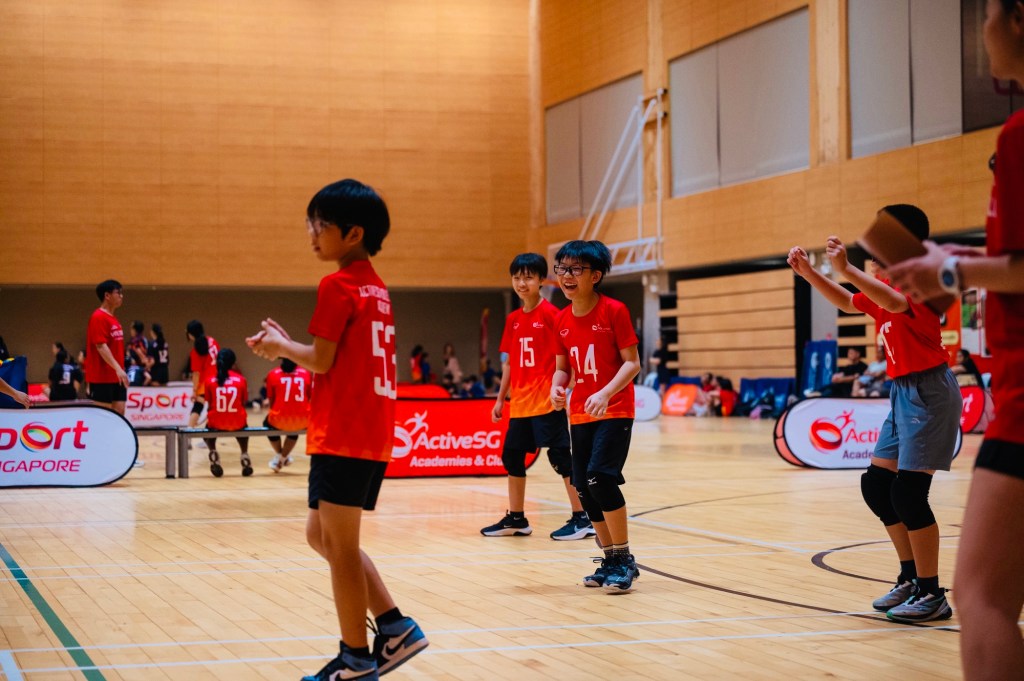
My son has his first volleyball tournament recently. Even though his team didn’t win a match, making some nice plays still gave him a sense of satisfaction. He is competitive and doesn’t take losing well. The more he wants to win, the harder it is for him to control his temper and perform at his best. My hope is that as he matures, he will learn to see these moments as part of the process of improving and reaching his potential. Many people are competitive and want to win, but not everyone can manage their emotions, learn from setbacks, and bounce back stronger.

“Does losing prove that you are weak? Isn’t losing difficult for all of you? A challenge where, after ending up on your hands and knees, you must see if you can stand up again? If you stay on your hands and knees, that proves that you are weak.”
― Ittetsu Takeda

Read Full Post »

Rebecca Watson wrote that nostalgia can be an antidote to loneliness. As an introvert with many pursuits, a few close friends and family, I seldom feel lonely. Still, I am drawn to the feeling of nostalgia. Revisiting places where I once lived, studied, or worked puts me in a contemplative mood and invites me to reflect on my past experiences.

Excerpts from the article:

It’s a curious thing, seeking the site of memories: like a dog chasing its own tail. It’s impossible to meet the memory. Those spaces live on in your mind, edging towards unreality, becoming dreamlike. 

I was connecting memories back with the world, pulling them into reality. But the task, of course, was impossible to achieve: the present only reinforced memory as individual, intimate, unrepeatable. Each spot was united by there being no sign that I had been there previously. Time having passed was part of the pleasure, so was the fact that I was irrelevant to these places — that they belonged to me only as much as the series of people who had since passed through them.

Nostalgia can become negative when you wish for a reality that probably never existed — or romanticise a past state in order to attack the present. But in its best form, nostalgia is an antidote to loneliness — it un-collapses time, which is by necessity condensed, drawing out your life behind you like a snail’s silver trail. The feeling is of being both magnified and a speck amid a vast landscape.

Nostalgia, on the other hand, is a phenomenon of layers: the passage of time, our relation to it, how others intersect with that memory or point in time.

Read Full Post »

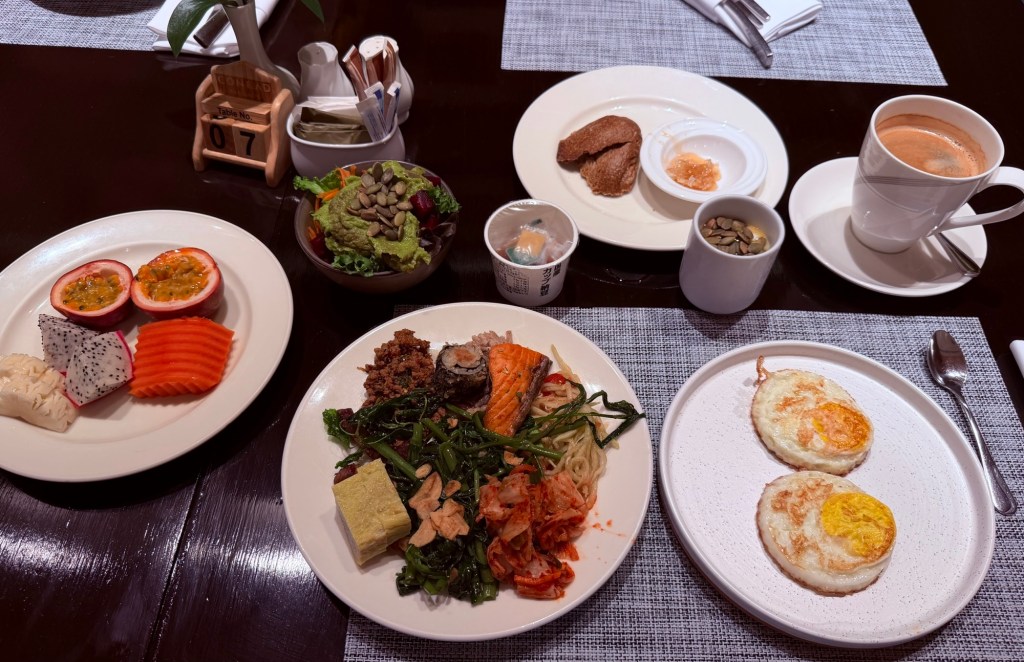
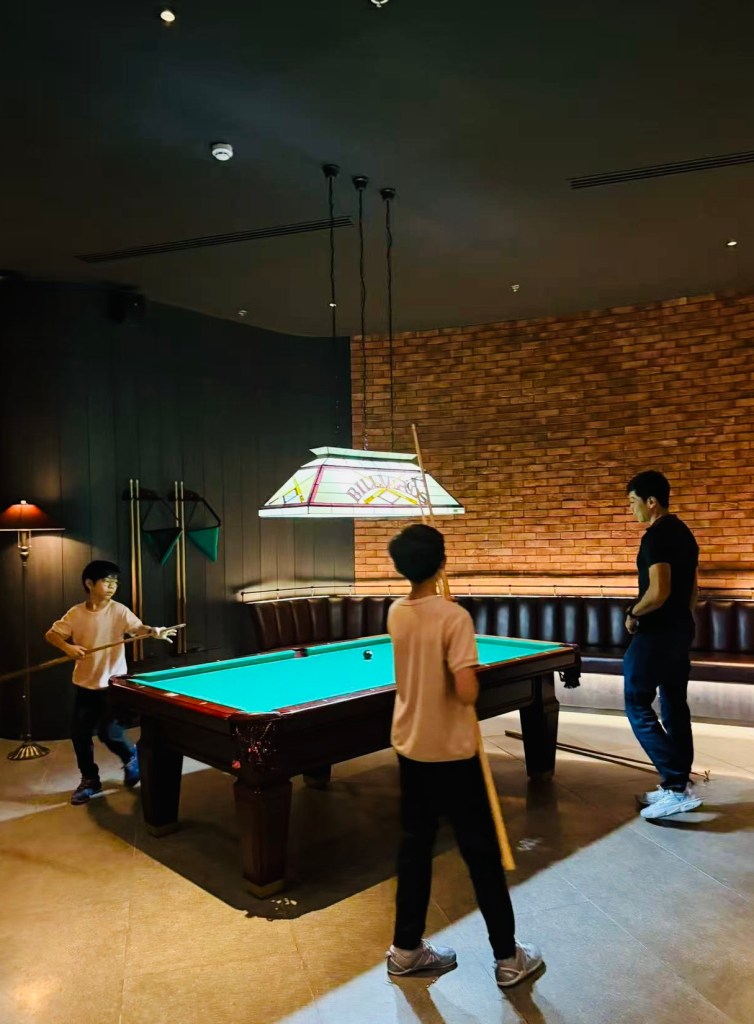
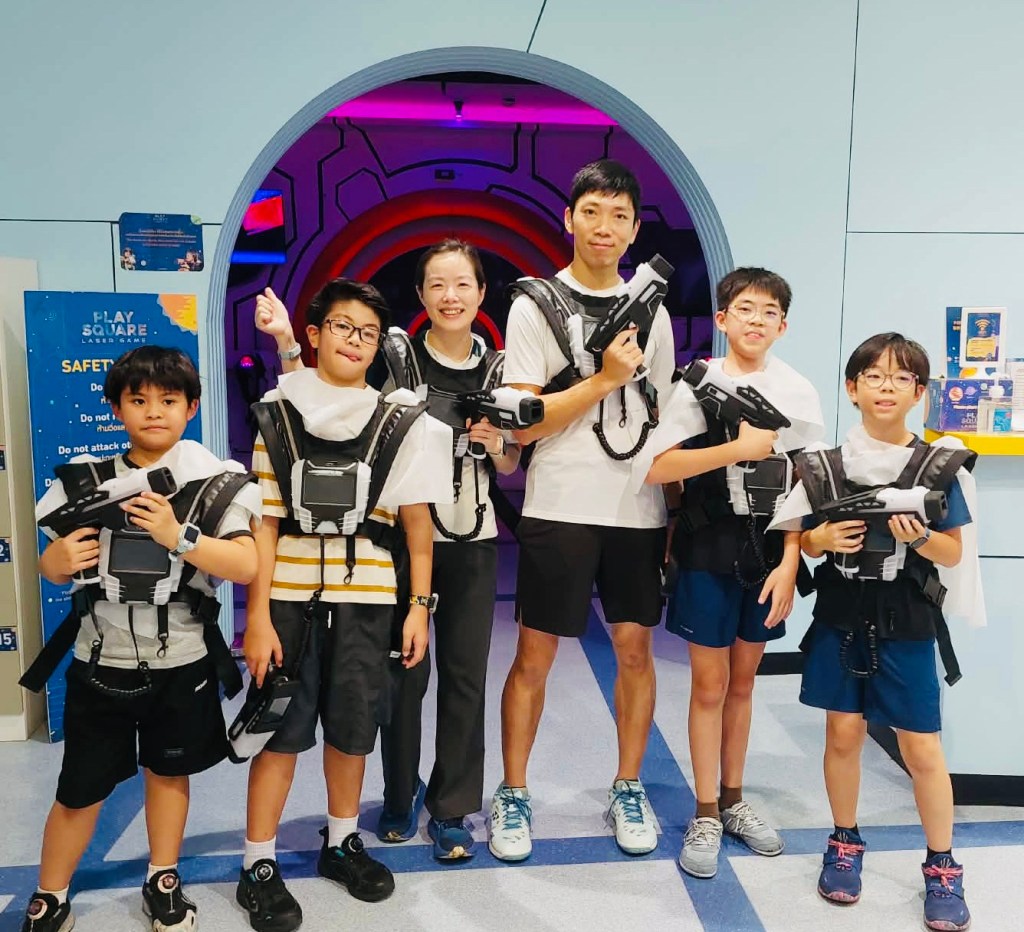
Our family went to Bangkok for a one week trip. Since I lived there when I was young, I still have many friends in the city, and my nephew is studying there. My aim was simply to have a relaxed trip catching up with friends and family.

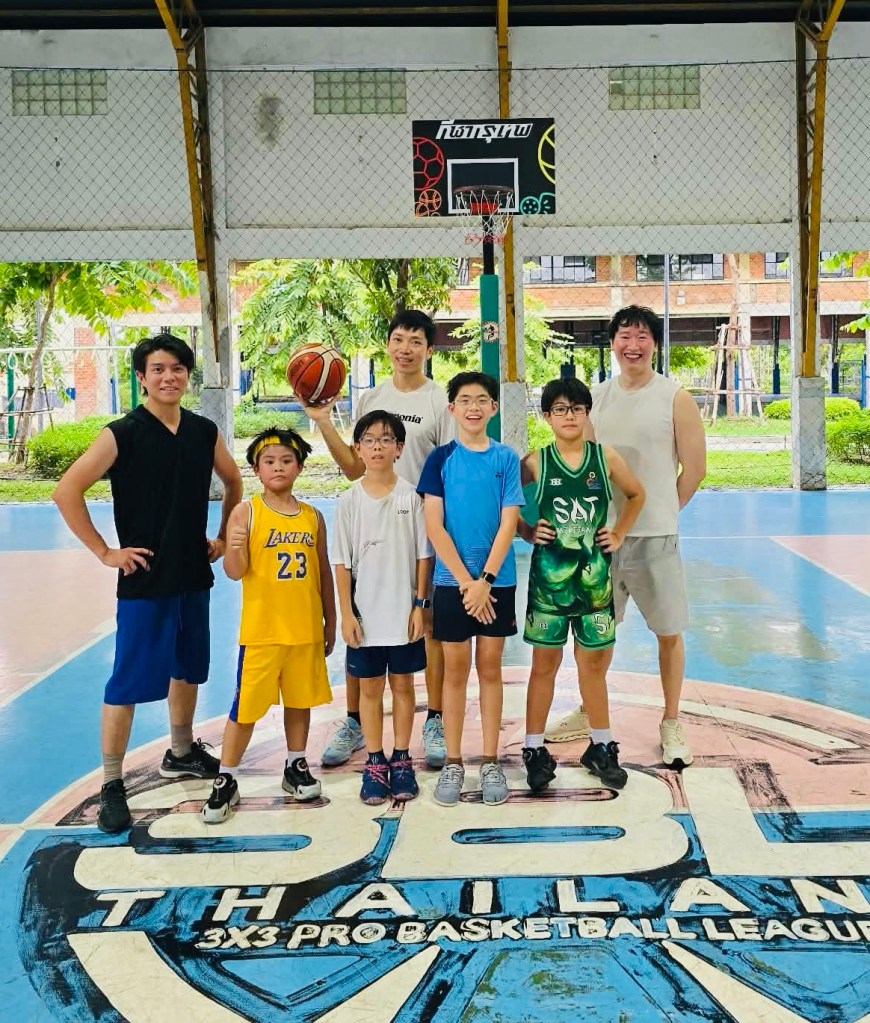
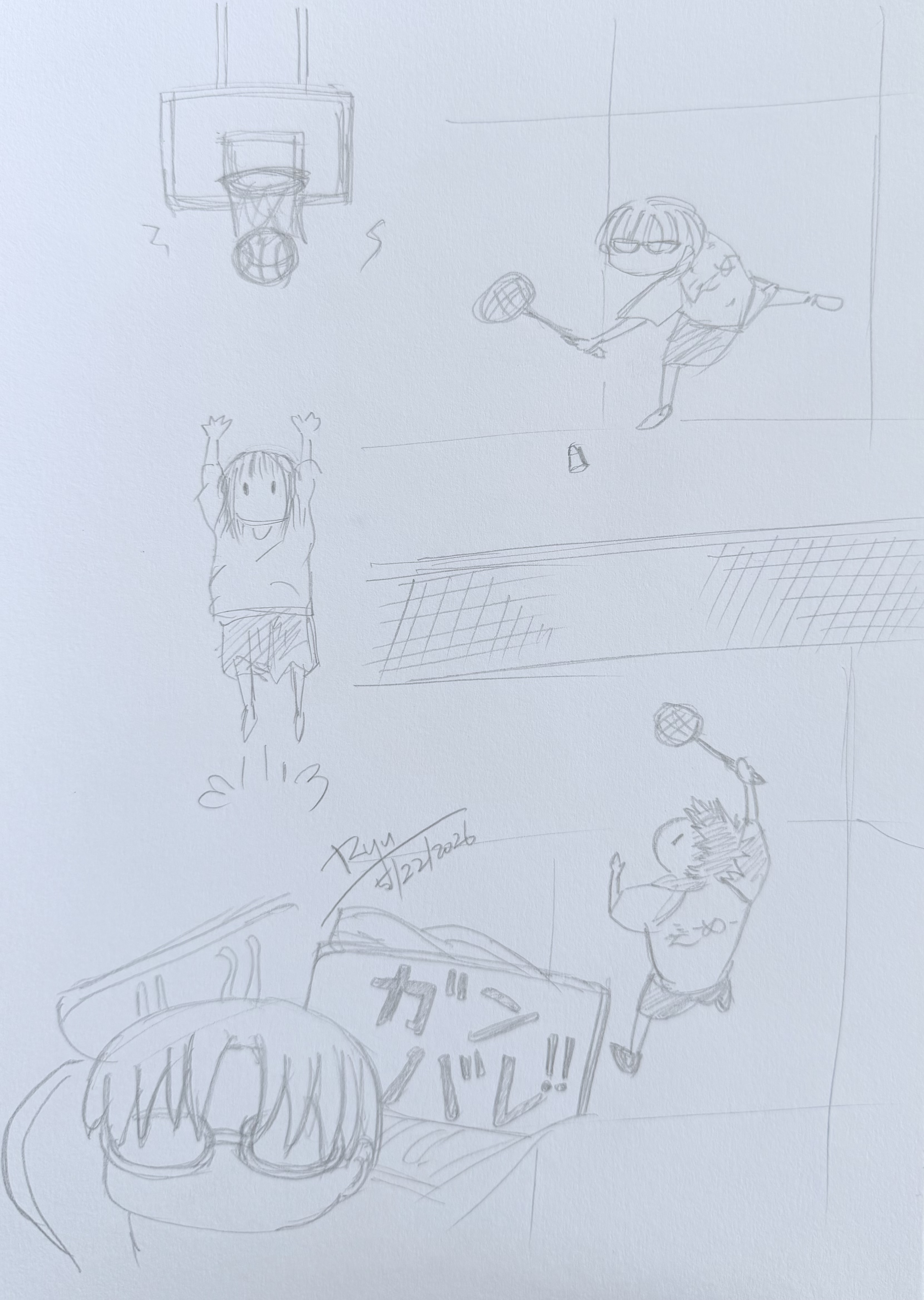
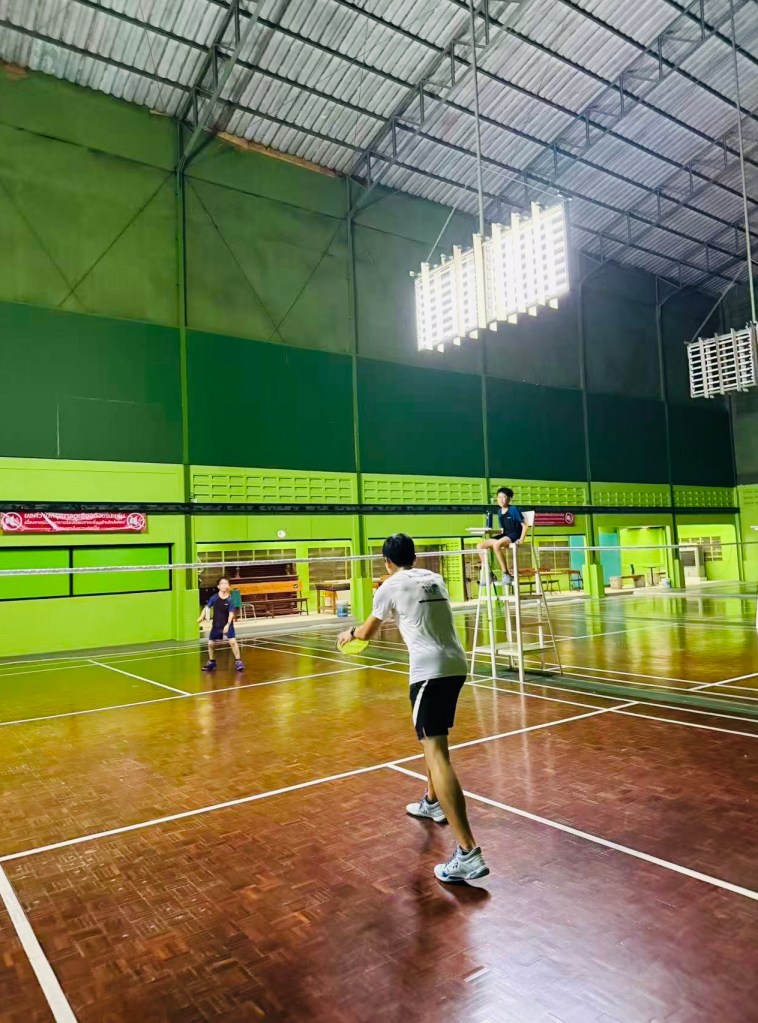
One predictable challenge in Thailand is overeating. The cost of living is lower, the food is good, and most of our meals were at restaurants with people we wanted to see. To avoid gaining too much weight, we brought our badminton gear and a basketball with us. That allowed us to stay active by playing sports, both on our own and with friends. Bangkok turned out to be convenient for this. Badminton courts were easy to book, and we found several basketball courts near where we stayed.

These activities cost almost nothing, but for one of my boys, they were the highlights of the trip. This reminded me that travel does not have to revolve around sightseeing. Bringing some of our normal routines with us, especially sports, made the trip healthier and more memorable. It allowed us to enjoy good food without feeling too guilty, while also creating simple moments of bonding through activities. I think this is something we will do more often in future trips.

Read Full Post »

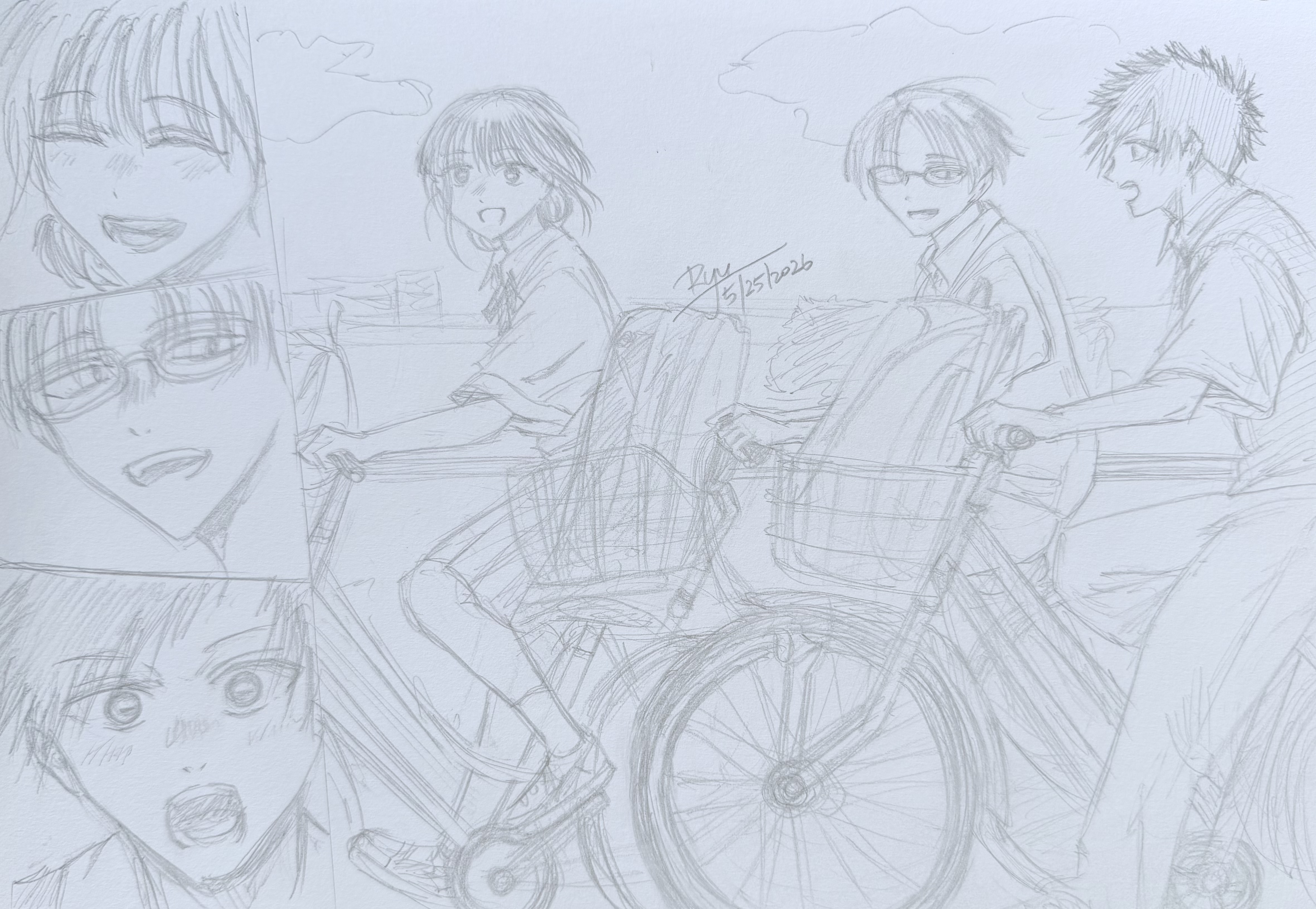
“Regardless how strong someone might appear, there are weaknesses. We might think of anxiety as a negative, but it’s something we all have. We get stronger if we act through it. Bearing the burden of anxiety and get stronger, isn’t it a bit like strength training?” —Hina

[While cycling to a cake shop]

Hina: Let’s disperse all stress!

Taiki to Hina: You have stress?

Hina: Stress when a friend got treated poorly.

Kyo: Me too, stress when a my close friend doesn’t treat himself well.

Read Full Post »
The book’s main idea is that constraints can be good for us while too much freedom bad. I share his views. But since I’ve came across many of the stories and ideas previously, this book doesn’t bring too much new insights for me. His recent podcasts or interviews are good places to get the gist of the book.

Excerpts:

Years after her Olympic gold, Taormina wrote a short reflection about her Management 577 class for a book about applications of the theory of constraints. The benefit of the process, she wrote, “is the identification of core problems and a logical way to find a win-win solution.” When her athletic career ended, Taormina wrote a well-regarded book on developing a powerful swimming stroke. Tellingly, in the introduction she wrote that swimmers often work on things “that have minimal to zero impact on their times, because they were never accurately told what is most important.” Hunting for bottlenecks isn’t rocket science, but we typically don’t do it in a systemic way.

[On Allende’s routine] Her year, she says, actually starts on January 7, with a ritual of clearing and silencing. That’s when she prepares the room for the next day. She cleans out everything connected to the previous projects…The next day, she lights a candle–which she will blow out at the end of each session–and begins. Her life “turned outward,” as she calls it, ends: no more lectures, or trips for book promotion, or being surrounded by people. She will turn down six-figure checks to give a forty-five-minute talk. Overnight, her energetic world becomes quiet.

She needs the silence. Without it, she cannot hear the voices that she channels onto the page…On January 8, she starts by sitting alone, silent, for several hours, as the noise and confusion of the rest of life fade away. Sometimes it takes weeks before she writes anything that she intends to keep, but it always comes, eventually…The January 8 ritual had brought her back again, and again and again thereafter. Now in her ninth decade of life, she still has a new bestseller out about every eighteen months.

Read Full Post »
Read Full Post »
“I don’t see that it makes any point that someone in the Swedish Academy decides that this work is noble enough to receive a prize. I’ve already got the prize. The prize is the pleasure of finding the thing out, the kick in the discovery, the observation that other people use it. Those are the real things. The honours are unreal to me.” — Richard Feynman

Kevin Kelly thinks we should live our most improbable life, because it has less competition, offers more unique rewards, and makes us harder to replace.

Here is what you gain with your most improbable life:

The authentic you. Your particular mix of talents, native abilities, personal inclinations, genetic limits, life experiences, and ambitious desires points to a mixture that is distinctly unique – if it is allowed to blossom. The further you move in that direction, the more you-like you become.

The more you-ish you become, the less competition you have, because you are occupying your own niche. Less competition means you don’t have to be in a race; you can relax and focus on your strengths. You have the space to become even more you, and even less likely.

The more you occupy a category of one, the easiest it is for you to appreciate this trait in others. It becomes easier to see past the conventional, to identify authenticity, and to encourage the improbable in others…

Finally, the less predictable you are, the less likely you are to be replaced by AIs. Machines are efficient, and they are powered by the predictable. Current LLMs are trained to generate the most predictable solution. So far they are not very good at duplicating what a creative, one-of-a-kind improbable human can produce. To distance yourself from the machines, aim to be as improbable as you can be.

But what if our interests are quite “average”? Or what if the unique combination of our interests and abilities is not valued by society?

One solution, as Sandeep Swadia suggests, is to consciously assess our interests and focus on those that reinforce what we do and benefit us in some way (for example, those that give us more optionality or stability). But doesn’t this planning framework contradict Kevin Kelly’s main idea by making the process more predictable?

I prefer another piece of Sandeep’s advice: focus on hobbies that bring us joy, help us learn, allow us to express ourselves, or connect with a community.

I’m fortunate enough not to have to worry too much about making a living. And as I’m in midlife, there is no excuse not to live more authentically. Time spent on my interests and hobbies is already a reward in itself. Anything else is a bonus.

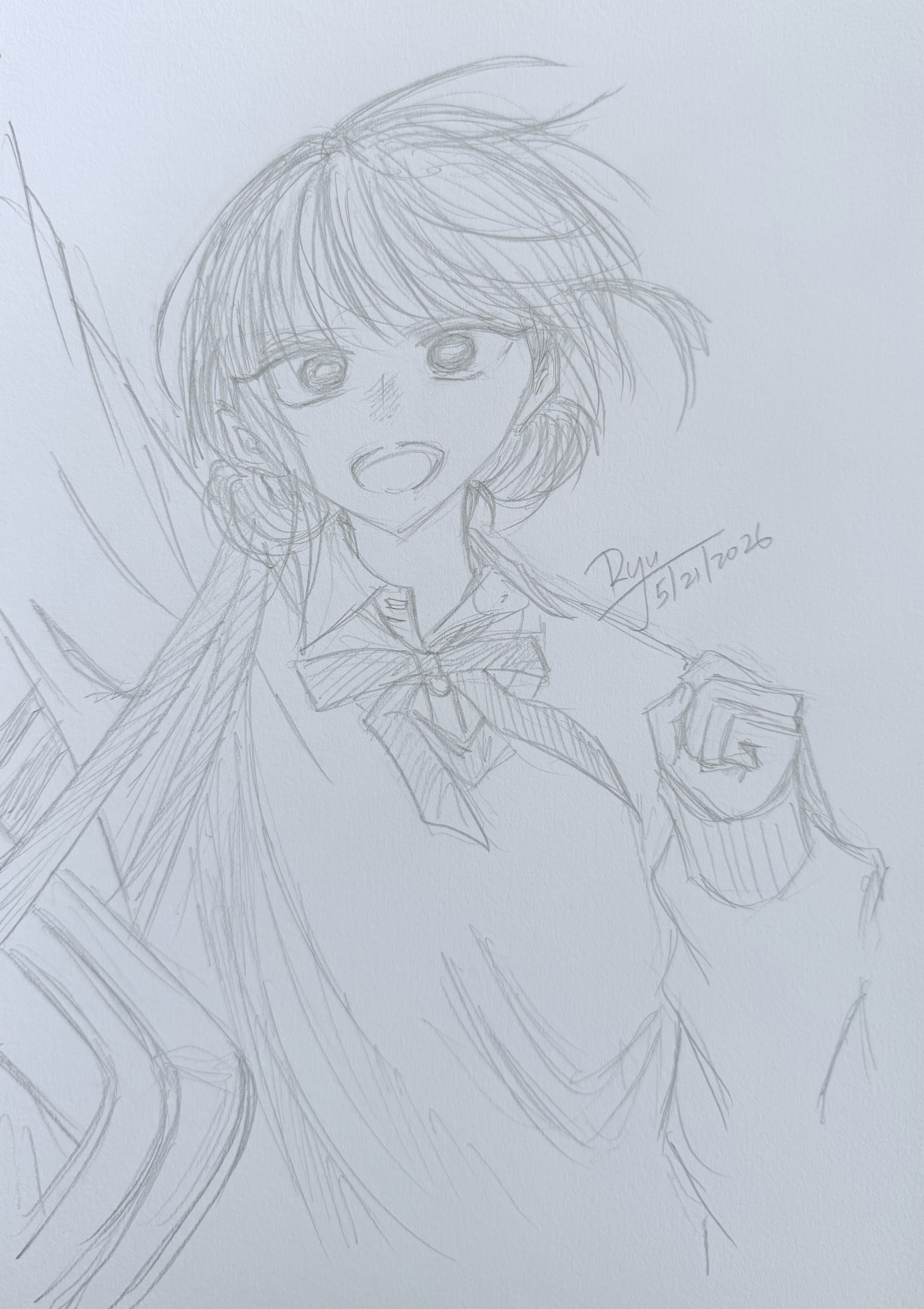
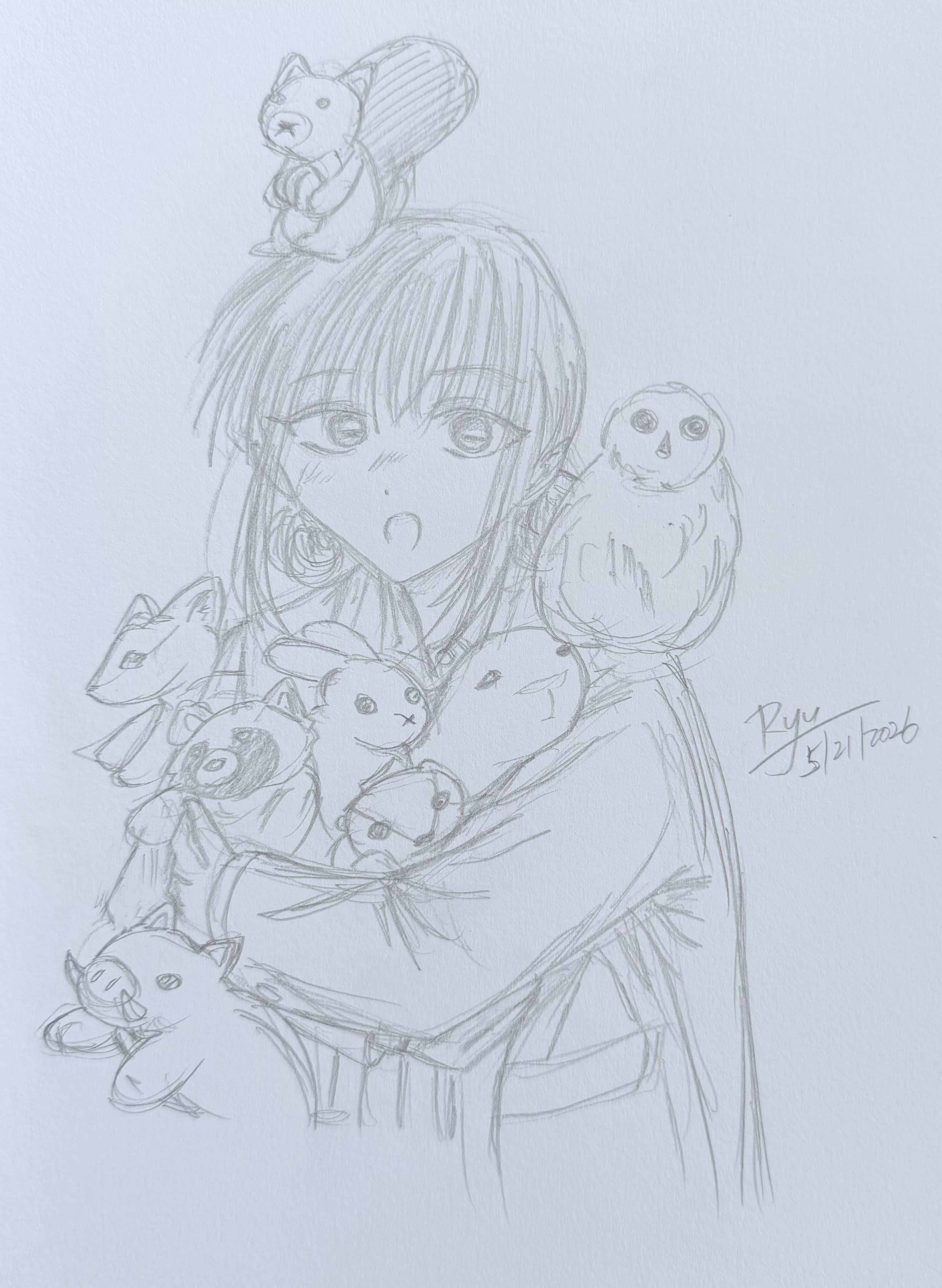
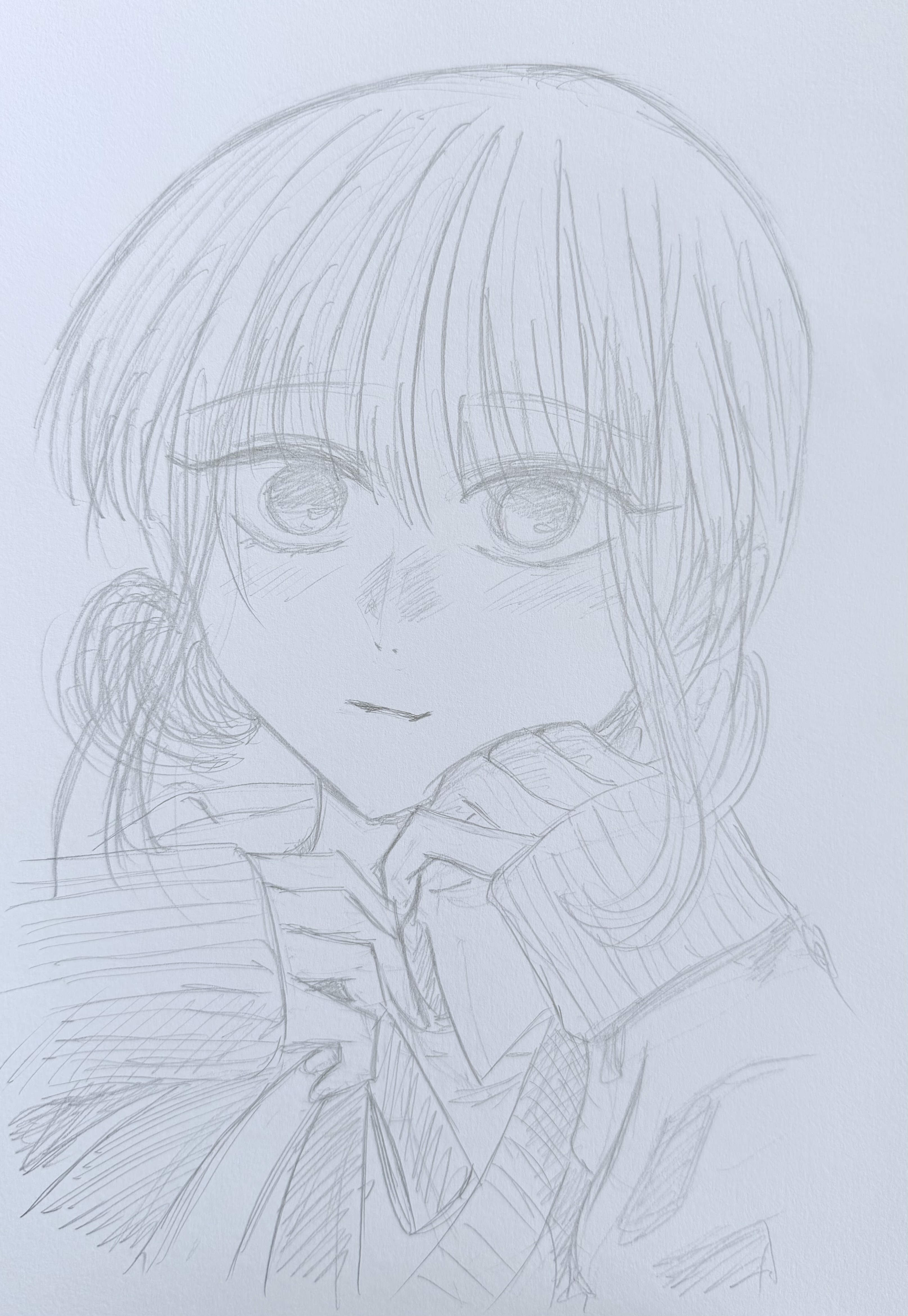
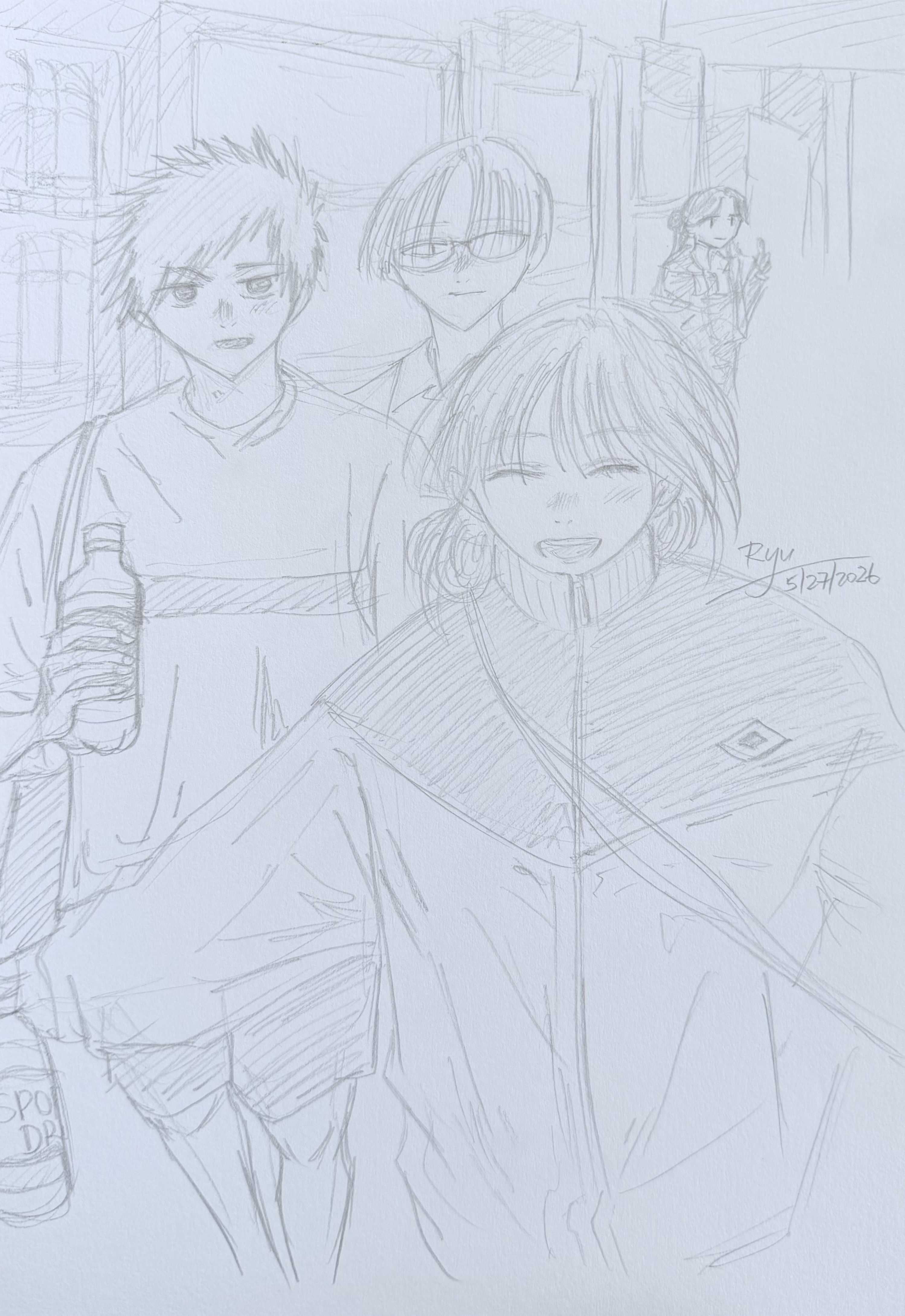
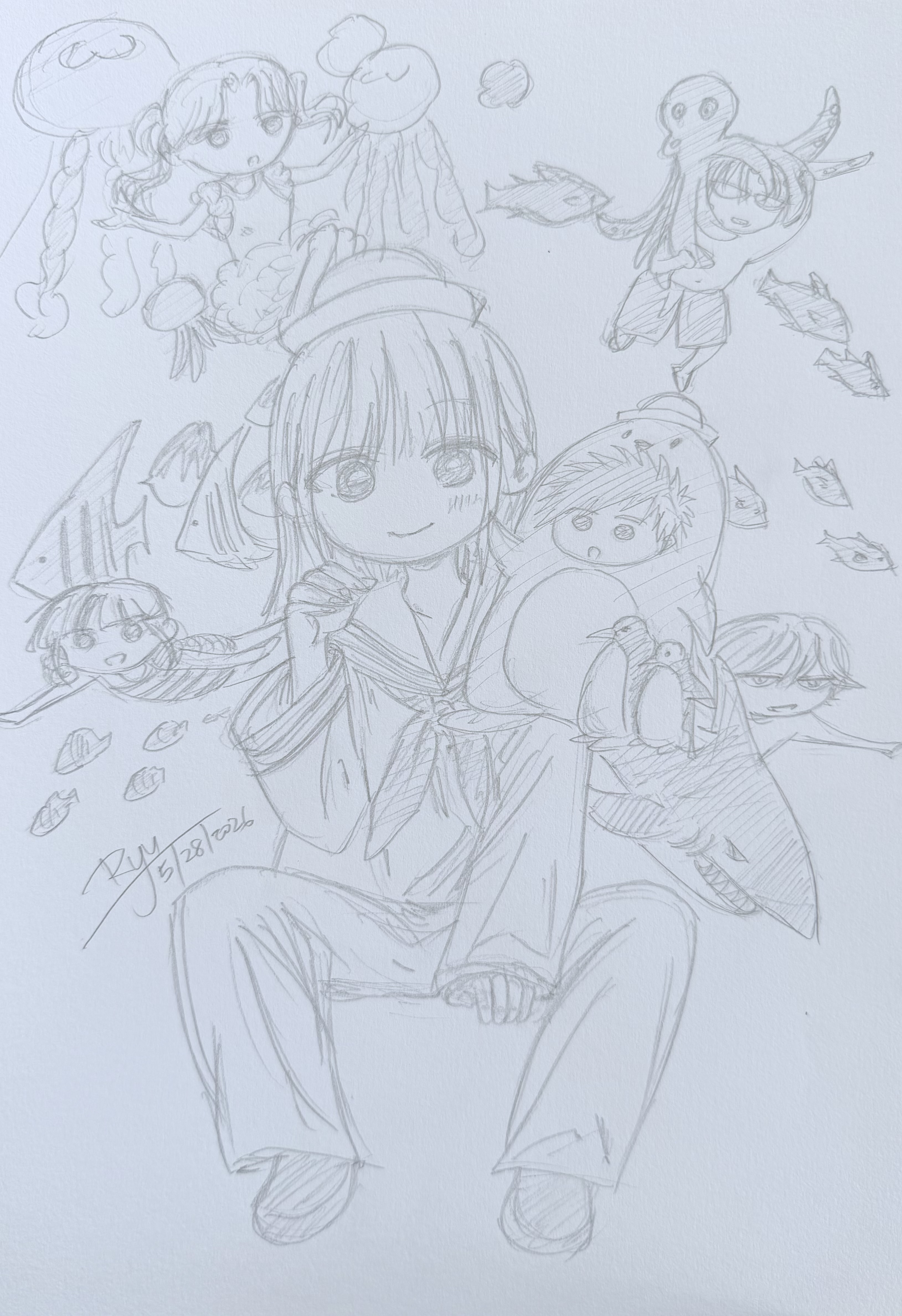
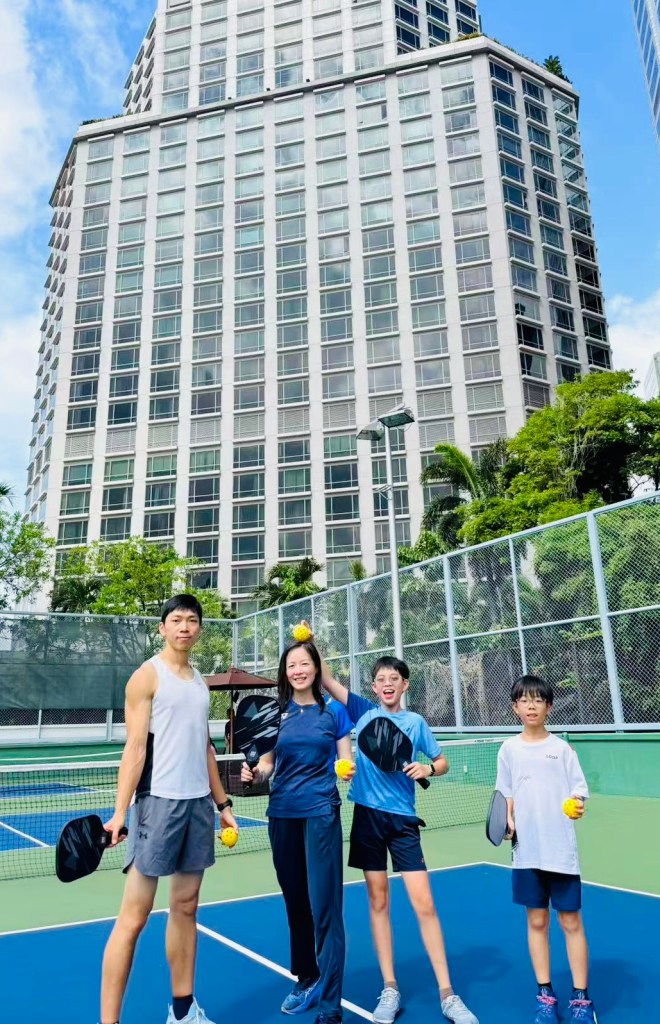
For example, piano, drawing, basketball, and badminton may not be a rare combination in market terms. None of these hobbies is likely to make me irreplaceable in society. But together, they shape the kind of life I want to live. Piano gives me a way to connect with music and occasionally perform with my children and friends. Drawing helps me observe more carefully and express visual ideas. Basketball and badminton keep me active, competitive, and connected with others. In the end, perhaps living one’s most improbable life is not about being marketable or irreplaceable. It is about arranging life around the things that make us feel most alive and meaningful.

Read Full Post »