It didn’t come up in our conversation, but there was a great section in The Myth of Experience about the “remembering self” versus the “experiencing self,” and how “when it comes to happiness, moderation is key. Excessively striving to capture every moment of a given experience can have adverse effects on our experiencing selves. We may reduce the immediate joy those moments provide. We may also start doing things not because they make us genuinely happy but primarily because they produce moments that we can easily capture and share with others.” This reminded me of a talk I recently watched by The Marginalian writer Maria Popova. Popova has a huge Instagram following and posts beautiful nature photos, but in the talk she said: “I made a pact with myself…to not take a picture of anything ever until I’ve actually taken it in first, which means some of the most beautiful things I see I don’t document, because they’re fleeting.” Recent research has found that taking pictures can “undermine enjoyment” of an experience, particularly when the photos are taken “with intention to share.”
According to Epstein, breath of experience, self-testing, and slow, seemingly inefficient trainings help enhance learning and performance.
A high-repetition workload negatively impacted performance. Years of experience had no impact at all. If not experience, repetition, or resources, what helped creators make better comics on average and innovate? The answer (in addition to not being overworked) was how many of twenty-two different genres a creator had worked in, from comedy and crime, to fantasy, adult, nonfiction, and sci-fi. Where length of experience did not differentiate creators, breadth of experience did. Broad genre experience made creators better on average and more likely to innovate.
…learning itself is best done slowly to accumulate lasting knowledge, even when that means performing poorly on tests of immediate progress. That is, the most effective learning looks inefficient; it looks like falling behind.
Training without hints is slow and error-ridden. It is, essentially, what we normally think of as testing, except for the purpose of learning rather than evaluation–when “test” becomes a dreaded four-letter word…Used for learning, testing, including self-testing, is a very desirable difficulty.
The types of training/practice that Epstein talked about are often uncomfortable and require effort and reflection. It is easier to do mindless repetitions and think that we are making progress. But in the long term, it is the progress and mastery that bring us satisfaction.
Human don’t mind hardship, in fact they thrive on it; what they mind is not feeling necessary. Modern society has perfected the art of making people not feel necessary.
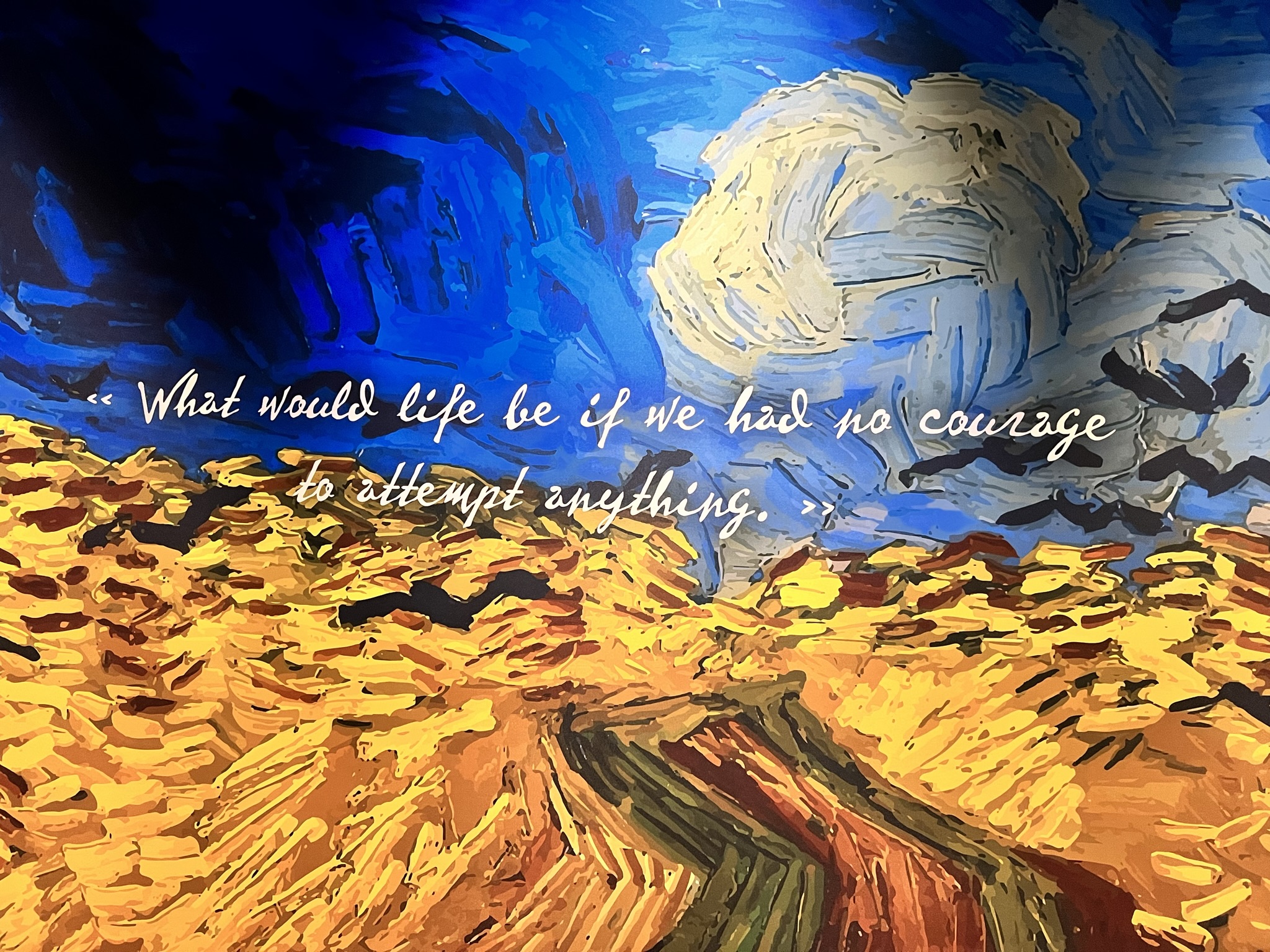
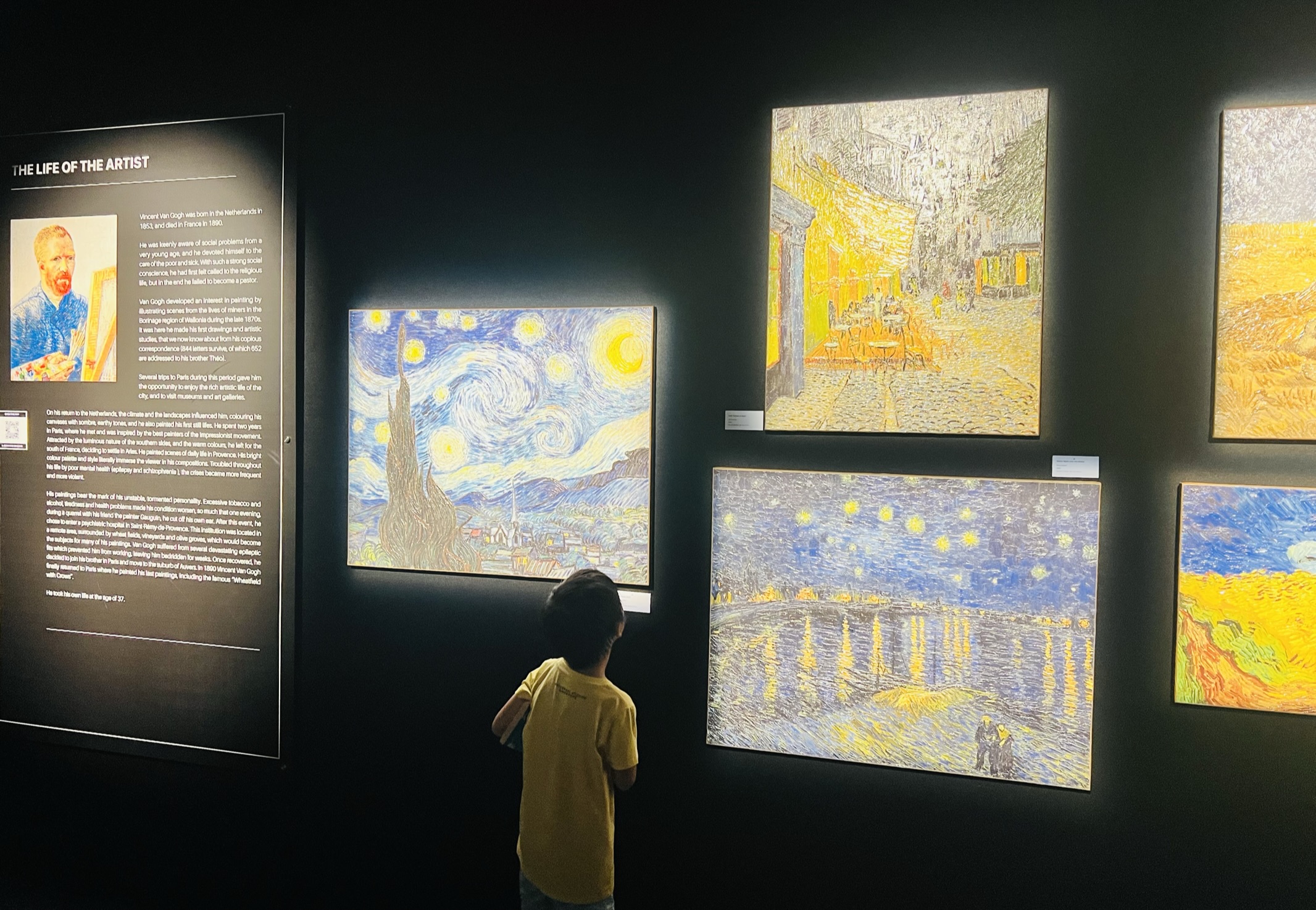
Overall a good experience, and I learned a few things about Van Gogh, like how he’s influenced by Japanese artists.
I envy the Japanese the extreme clarity that everything in their work has. It’s never dull, and never appears to be done too hastily. Their work is as simple as breathing, and they do a figure with a few confident strokes with the same ease as it it were as simple as buttoning up your waistcoat.
Just slap anything on when you see a blank canvas staring you in the face like some imbecile. You don’t know how paralyzing that is, that stare of a blank canvas is, which says to the painter, ‘You can’t do a thing’. The canvas has an idiotic stare and mesmerizes some painters so much that they turn into idiots themselves. Many painters are afraid in front of the blank canvas, but the blank canvas is afraid of the real, passionate painter who dares and who has broken the spell of `you can’t’ once and for all.
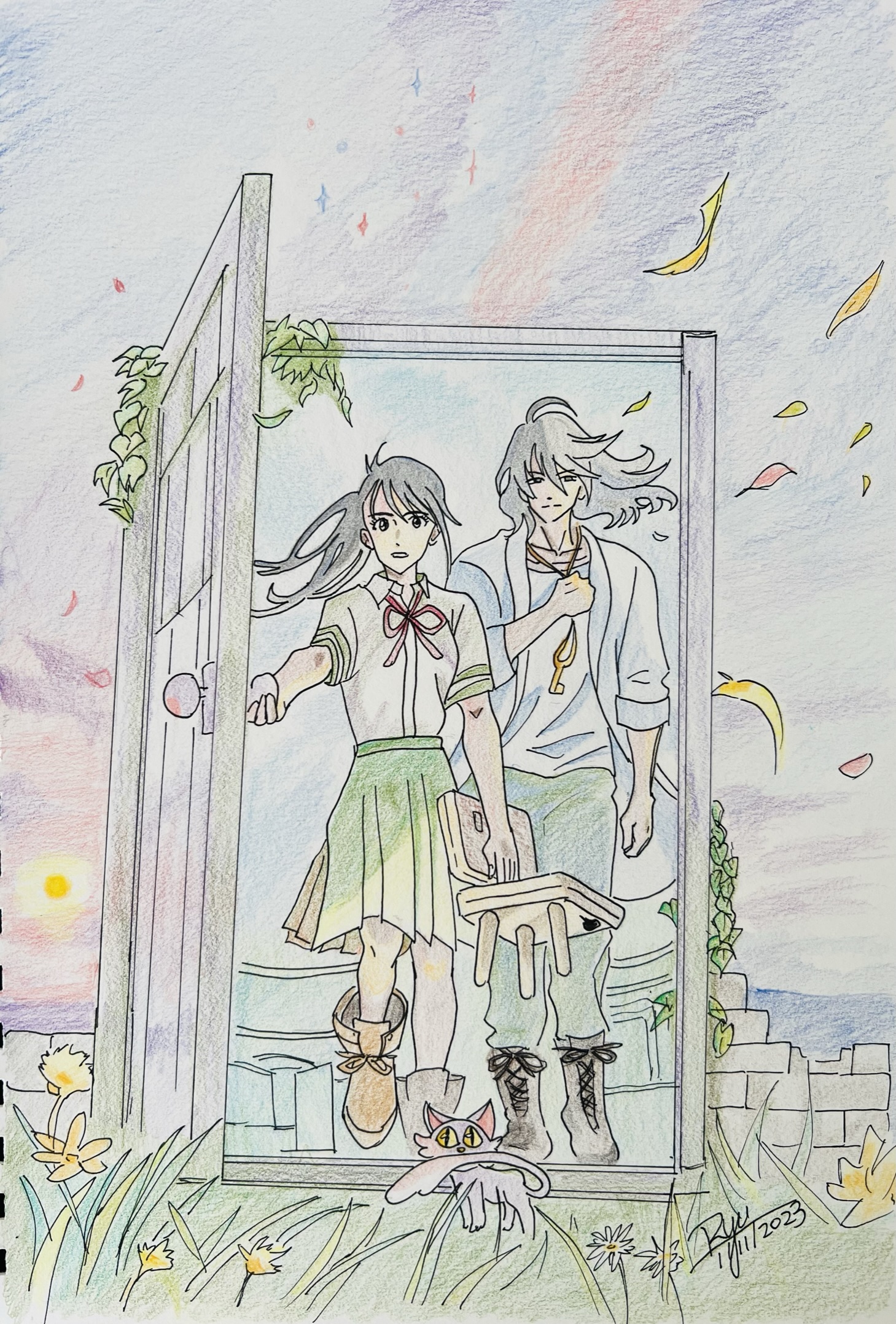
I watched all of Shinkai Makoto’s anime since the short videos he created by himself back in the late 90s.
His latest anime is still enjoyable, with beautiful backgrounds and soundtracks. A road trip across Japan to remember the past and protect the future, while connecting with warm strangers, sharing tasty food, and having a sense of humor along the way.
The characters and story are more fleshed out in his recent anime. But I remember being more touched by his earlier anime, such as 5cm per Second, and liked the ways he portrayed emotional complexity, a sense of longing, and human connections.
What’s art? What does it mean to live as an artist? And what makes great art? These are some of the questions Rick Rubin tackles in his book. Below are my highlights:
To live as an artist is a way of being in the world. A way of perceiving. A practice of paying attention.
The act of creation is an attempt to enter a mysterious realm. A longing to transcend. What we create allows us to share glimpses of an inner landscape, one that is beyond our understanding. Art is our portal to the unseen world.
Living life as an artist is a practice. You are either engaging in the practice or you’re not…The real work of the artist is a way of being in the world.
Patience is required for the nuanced development of your craft.
Art is choosing to do something skillfully, caring about the details, bringing all of yourself to make the finest work you can. It is beyond ego, vanity, self-glorification, and need for approval.
Most human beings like to fit in. We adapt not only to the evolving flow of material coming through us, but the boundaries and templates of the culture around us. Can great art come from conformity? And what is the purpose of being an artist if we deny our unique personal point of view? Those of us choosing to live as artists embrace our filter as a gift.
This is the essence of great art. We make it for no other purpose than creating our version of the beautiful, bringing all of ourself to every project, whatever its parameters and constraints. Consider it an offering, a devotional act. We do the best, as we see the best–with our own taste. No one else’s. We create our art so we may inhabit it ourselves.
If we can tune it to the idea of making things and sharing them without being attached to the outcome, the work is more likely to arrive in its truest form.
No system exists that can rank which work is most reflective of the maker. Great art is an invitation, calling to creators everywhere to strive for still higher and deeper levels.
Think of self-competition as a quest for evolution. The object is not to beat our other work. It’s to move things forward and create a sense of progression. Growth over superiority.
In this spirit of self-competition, task yourself to go further and push into the unexpected. Don’t stop even at greatness. Venture beyond.
Our purpose is to value and develop our understanding of ourselves and the world around us.
To be self-aware is to have the ability to tune in to what we think, how we feel, and how much we feel it without interference. To notice how we notice the outside world.
What ultimately makes a work great is the sum total of the tiniest details. From start to finish, everything has shades and degrees. There is no fixed scale. There can’t be, because sometimes the smallest elements are the ones that weigh the most.
Your path is unique, for only you to follow. There is no single route to great art. This doesn’t mean ignore the wisdom of others. Receive wisdom skillfully. Try it on for size and see how it fits. Incorporate what’s useful. Let go of the rest. And no matter how credible the source, test and tune in to yourself to discover what works for you.
The only practice that matters is the one you consistently do, not the practice of any other artist.
The best work is the work you are excited about.
A work of art is not an end in itself. It’s a station on a journey. A chapter in our lives. We acknowledge these transitions by documenting each of them.
The reasons we’re alive is to express ourselves in the world. And creating art may be the most effective and beautiful method of doing so. Art goes beyond language, beyond lives. It’s a universal way to send messages between each other and through time.
Your 20s are the perfect time to do a few things that are unusual, weird, bold, risky, unexplainable, crazy, unprofitable, and looks nothing like “success.” The less this time looks like success, the better it will be as a foundation. For the rest of your life these orthogonal experiences will serve as your muse and touchstone, upon which you can build an uncommon life.
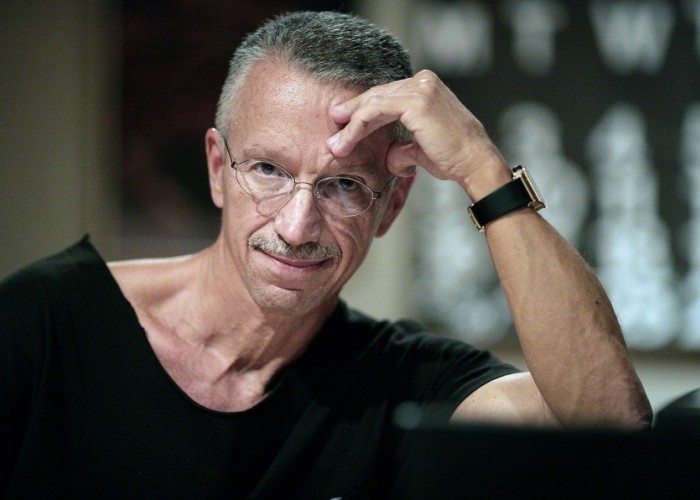
Rick Beato did an excellent interview with Keith Jarrett, providing nice background on Keith and jazz. Keith’s reactions to listening to his old piano performances are amazing to witness.
I came across Keith Jarrett’s albums when I was in university and have been a fan since. Tim Harford talked about how he turned an unplayable piano into one of the best live performances in Koln.
Keith: Once I was working on some piece and I said, I don’t think I can play this. It’s too hard.
We are all unique, with different values, interests, personalities, temperaments, and communication styles. This explains why we have good chemistry with certain friends but not others, and often these people aren’t similar to us. A friend once said that the ideal kind of companionship is one where two people complement and complete each other, and both can grow and become better people along the way.
If we are all unique, then the cliché that we should be the best at being ourselves is true. No one has the exact taste we have or does things the exact same way we do.
But when it comes to creating art, we often feel like all the good ideas have been taken, and we have nothing new to contribute. With the vast number of people, and AI generating contents, it seems like most things we try to do would have already been done by someone else.
Being original doesn’t mean our art would be good, or others would like them. But what we create would represent a part of ourselves, thanks to each of our own quirkiness. And they would evolve as we change. Even if we can’t be original, why does it matter? The process of creating art is a joy in itself.
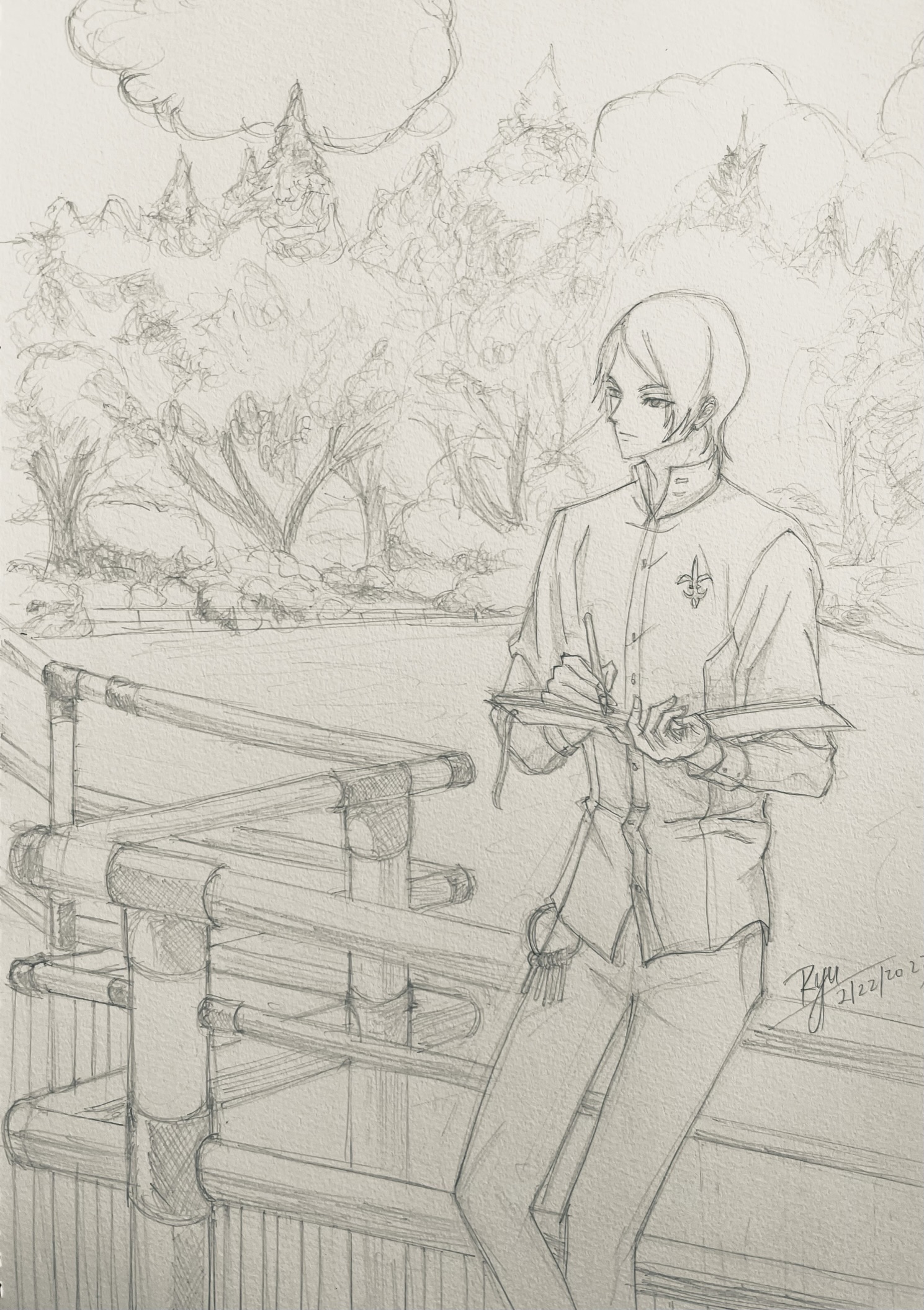
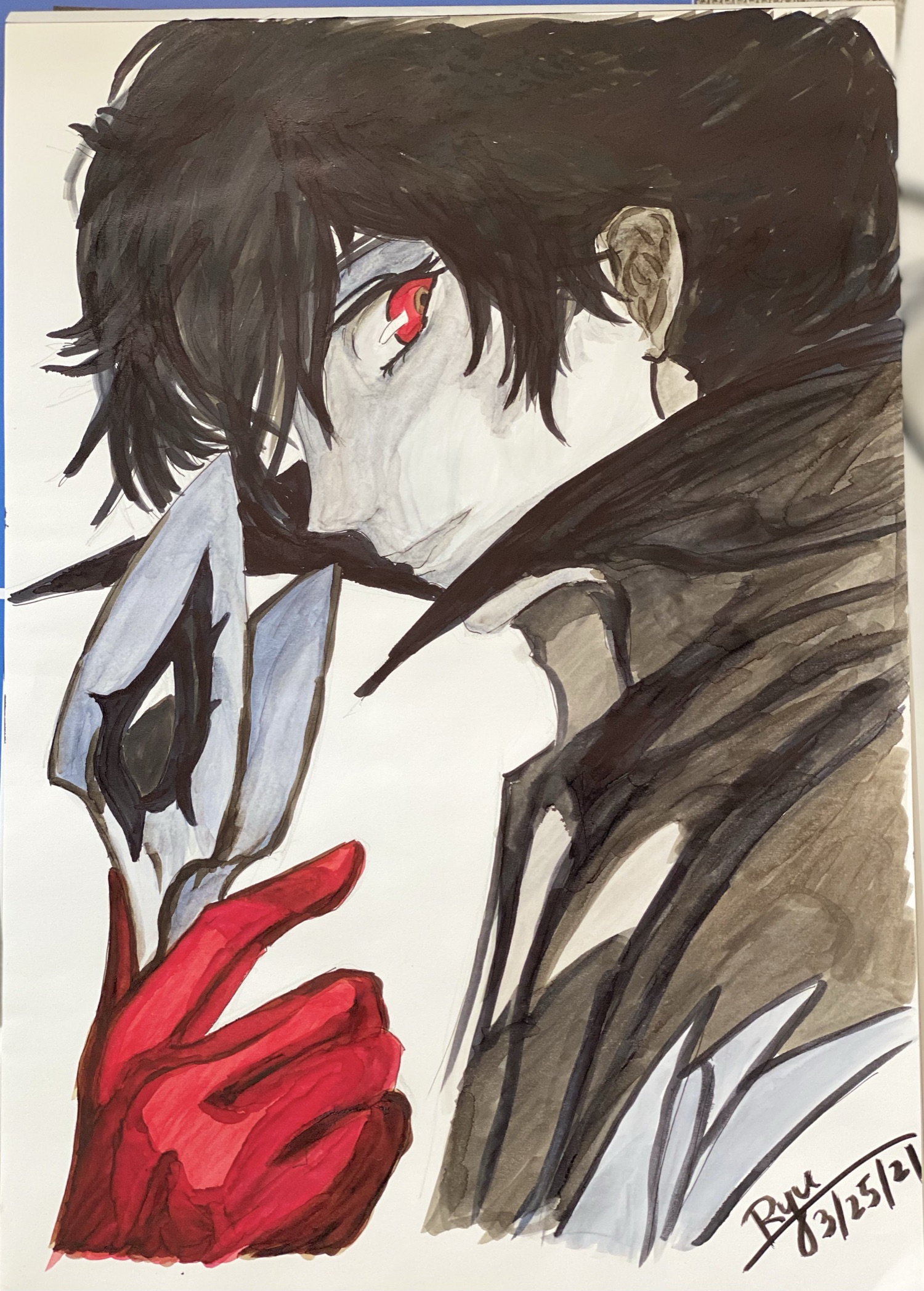
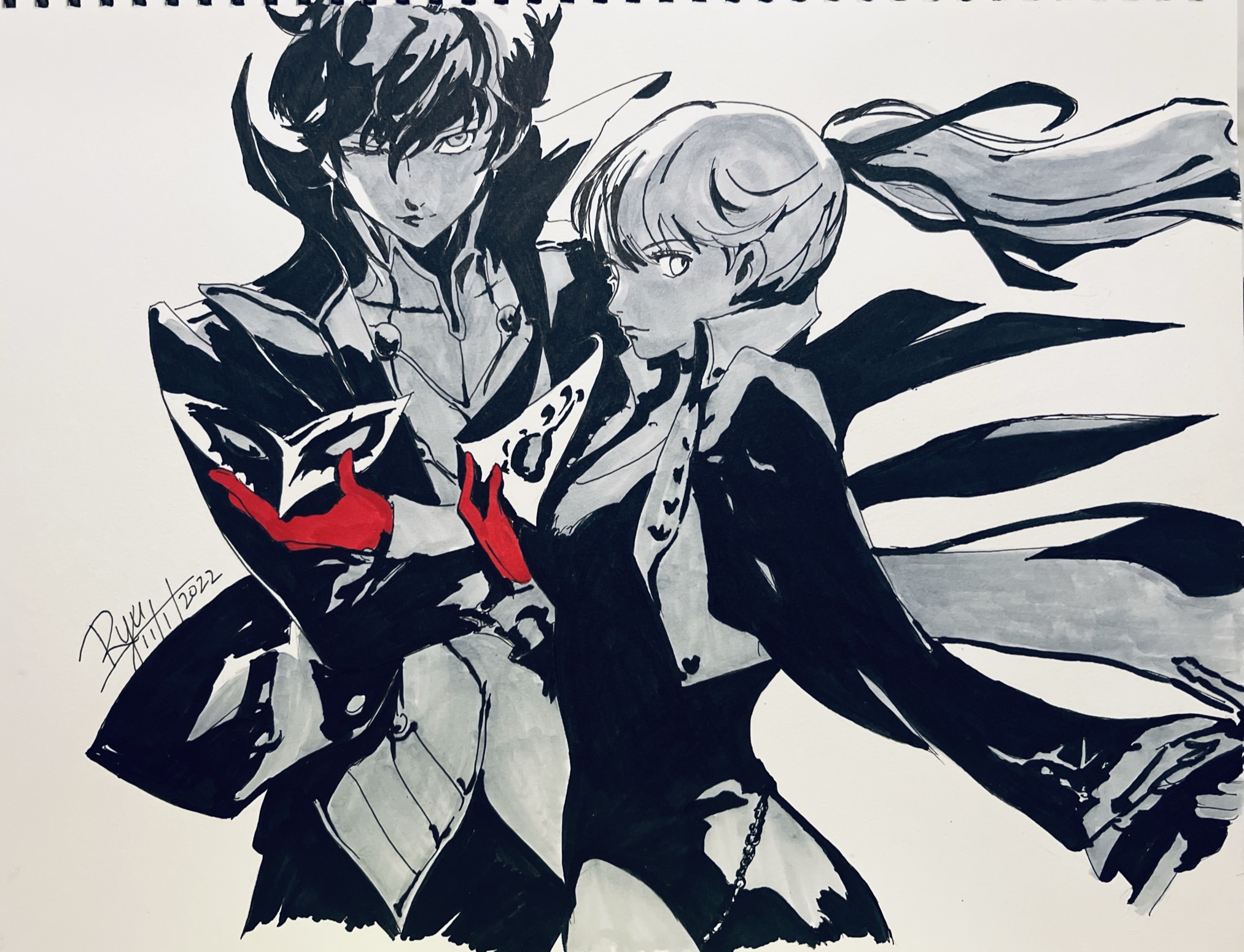
“I will start by painting. After that, I will paint, beyond which I shall paint even more. That is the only way I will learn to capture the essence of emotion. After all, you can only accomplish so much in using logic to analyze the contents of the heart.” – Yusuke Kitagawa
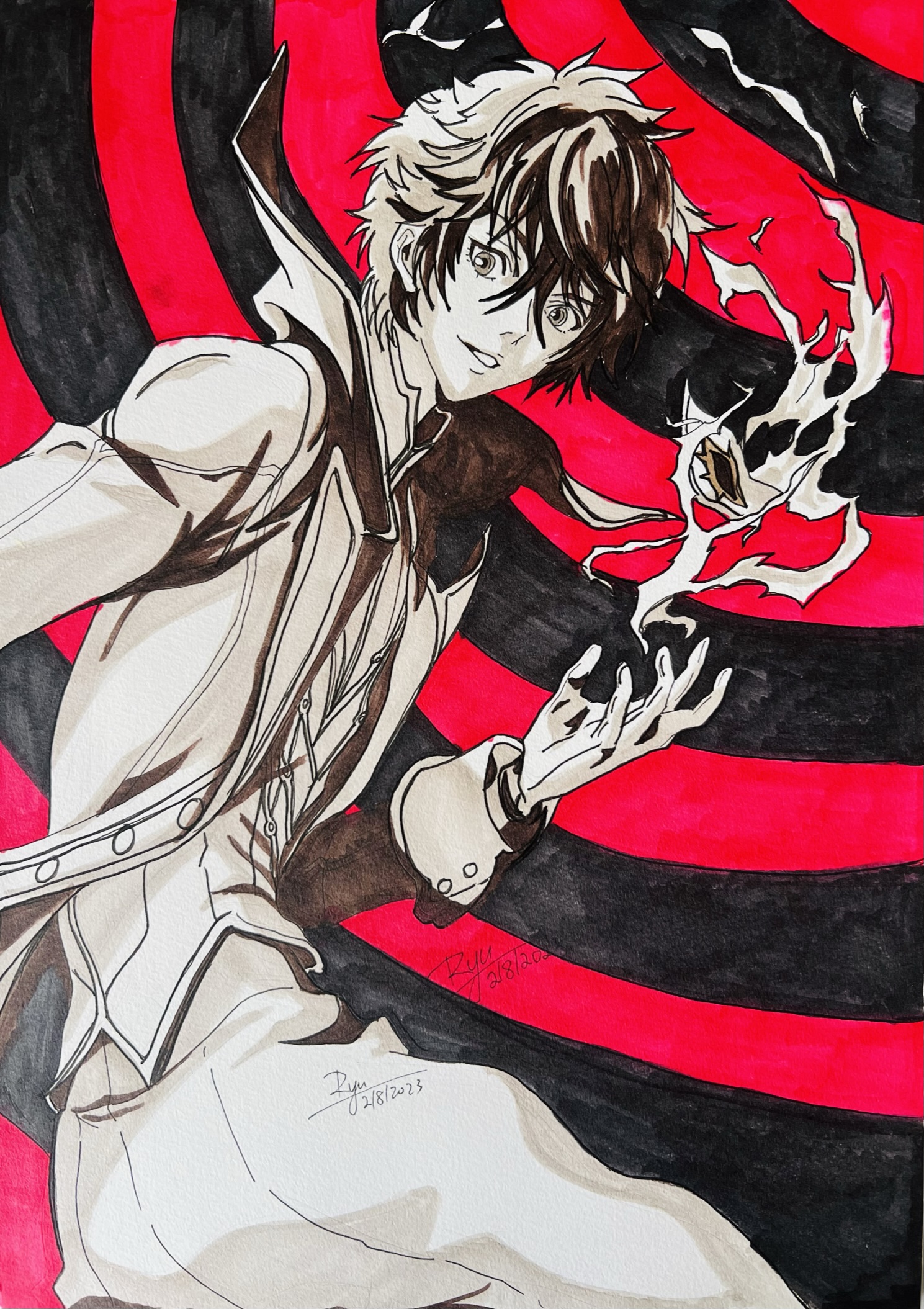
“Give a man his mask and he will become his true self!” – Joker
 Ryu's Blog