“Why did I quit? Why can’t the happy memories last? If I’d known sooner, I’d have been better, I’d have been in the court more…I could have won…so frustrating, I’m so mad about it.“ Yumeka
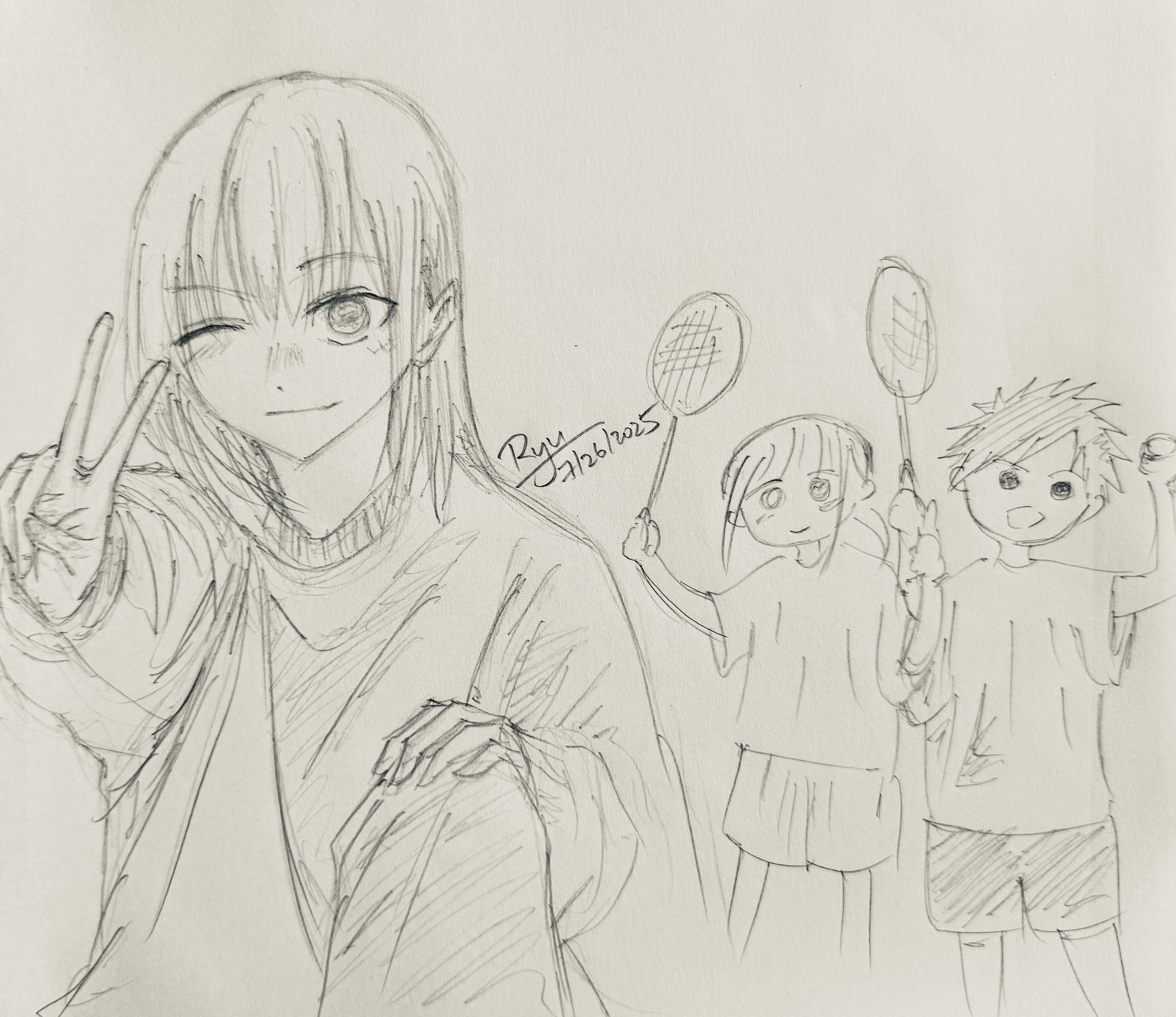
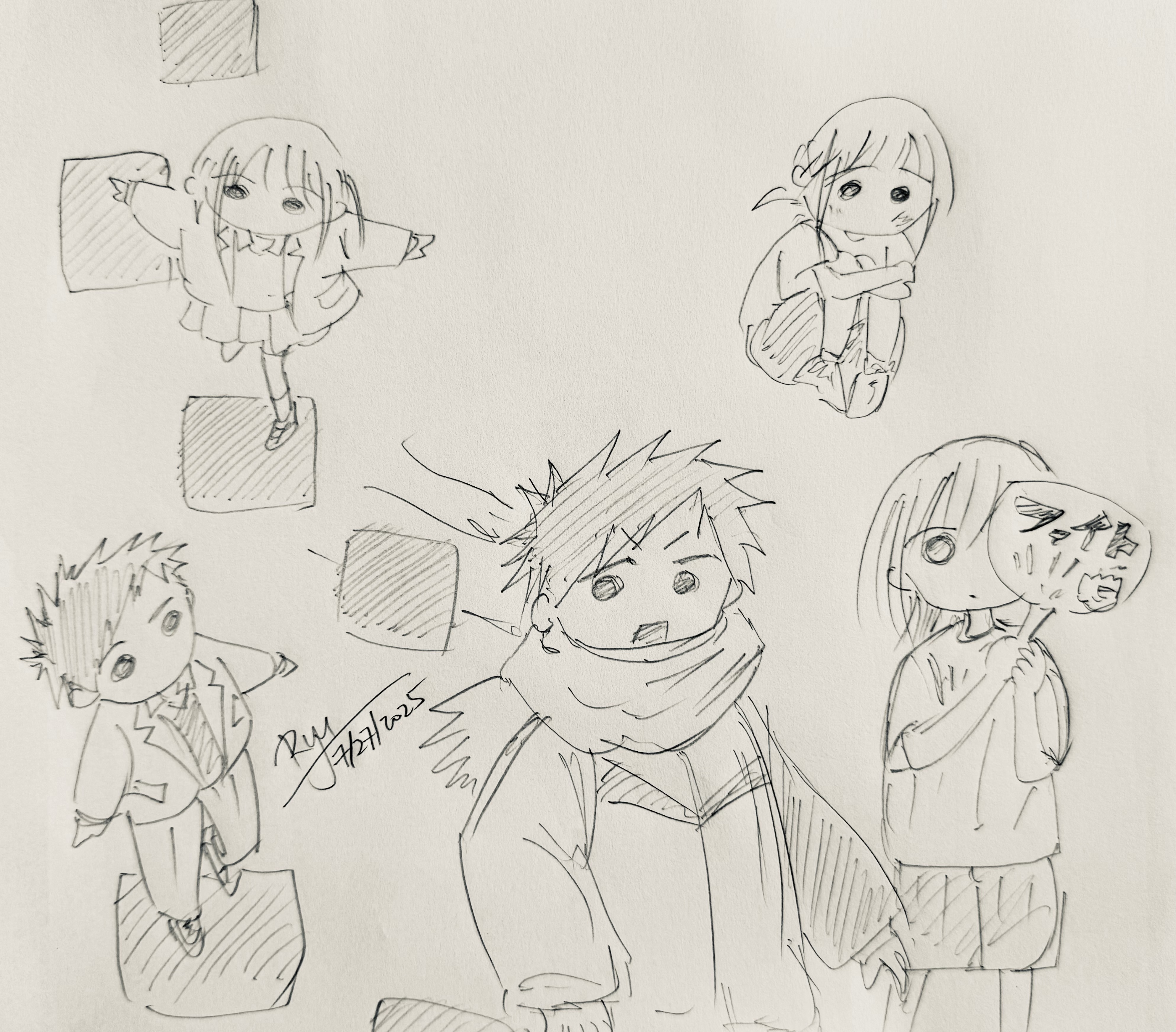
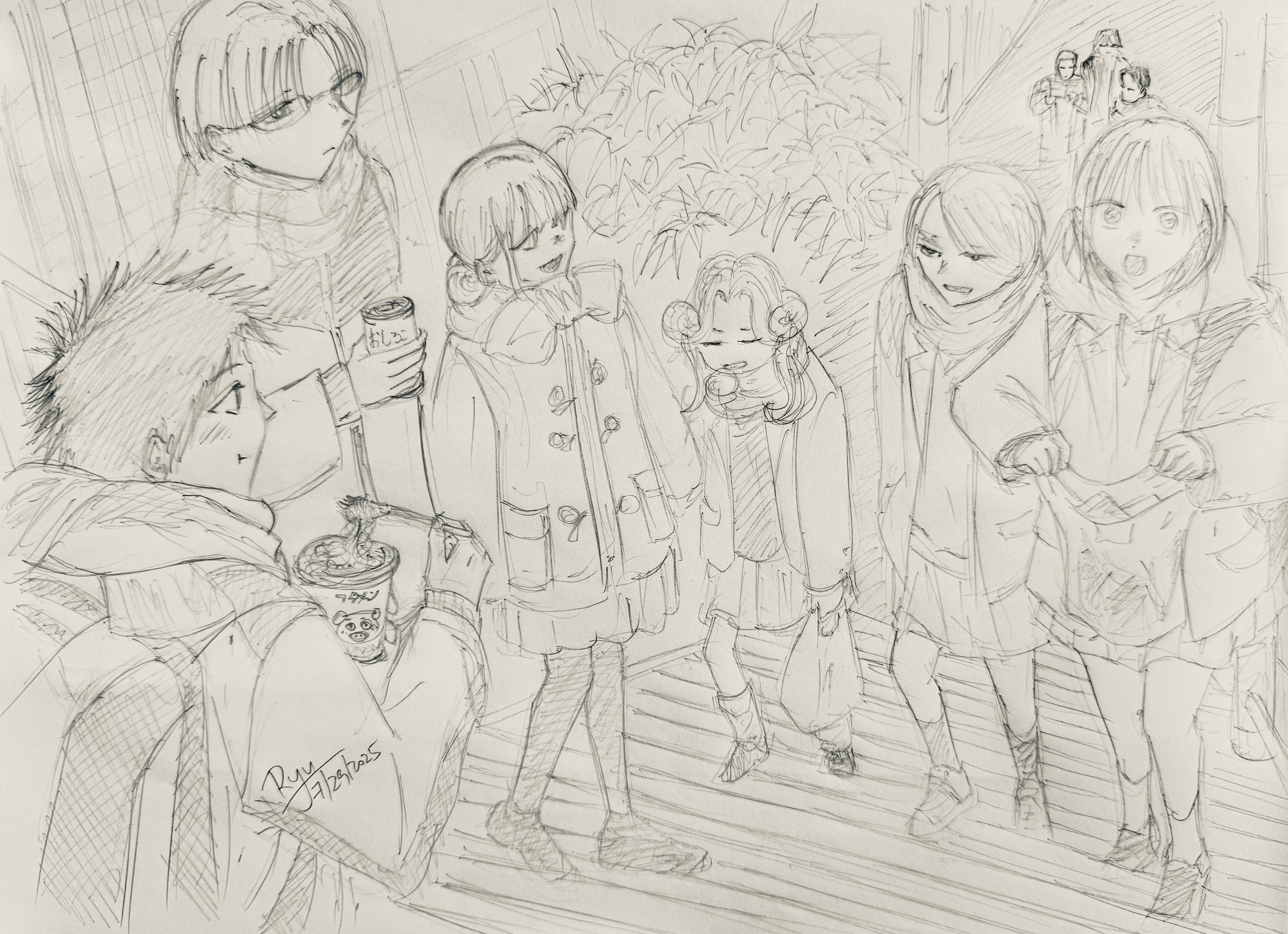
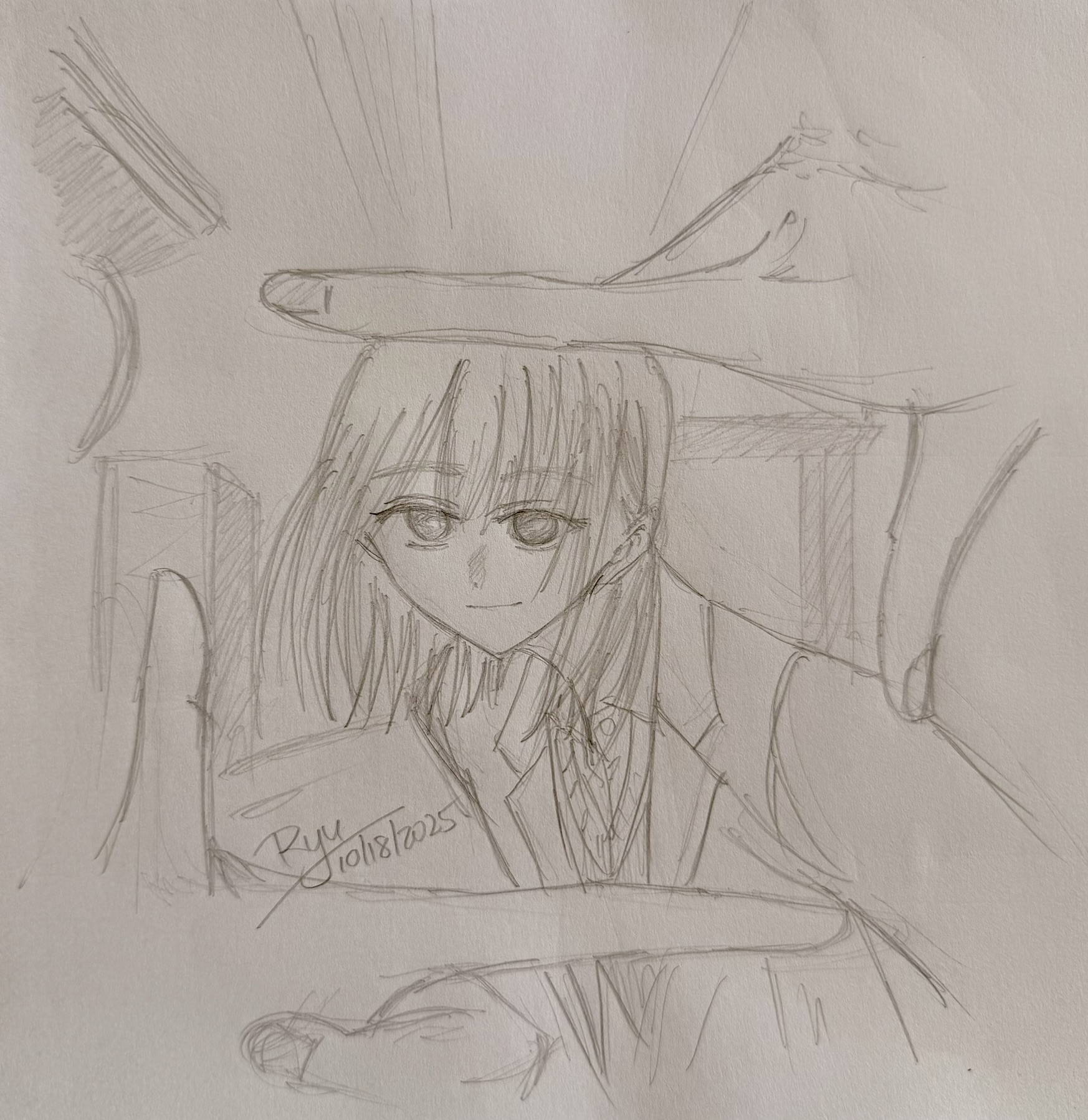
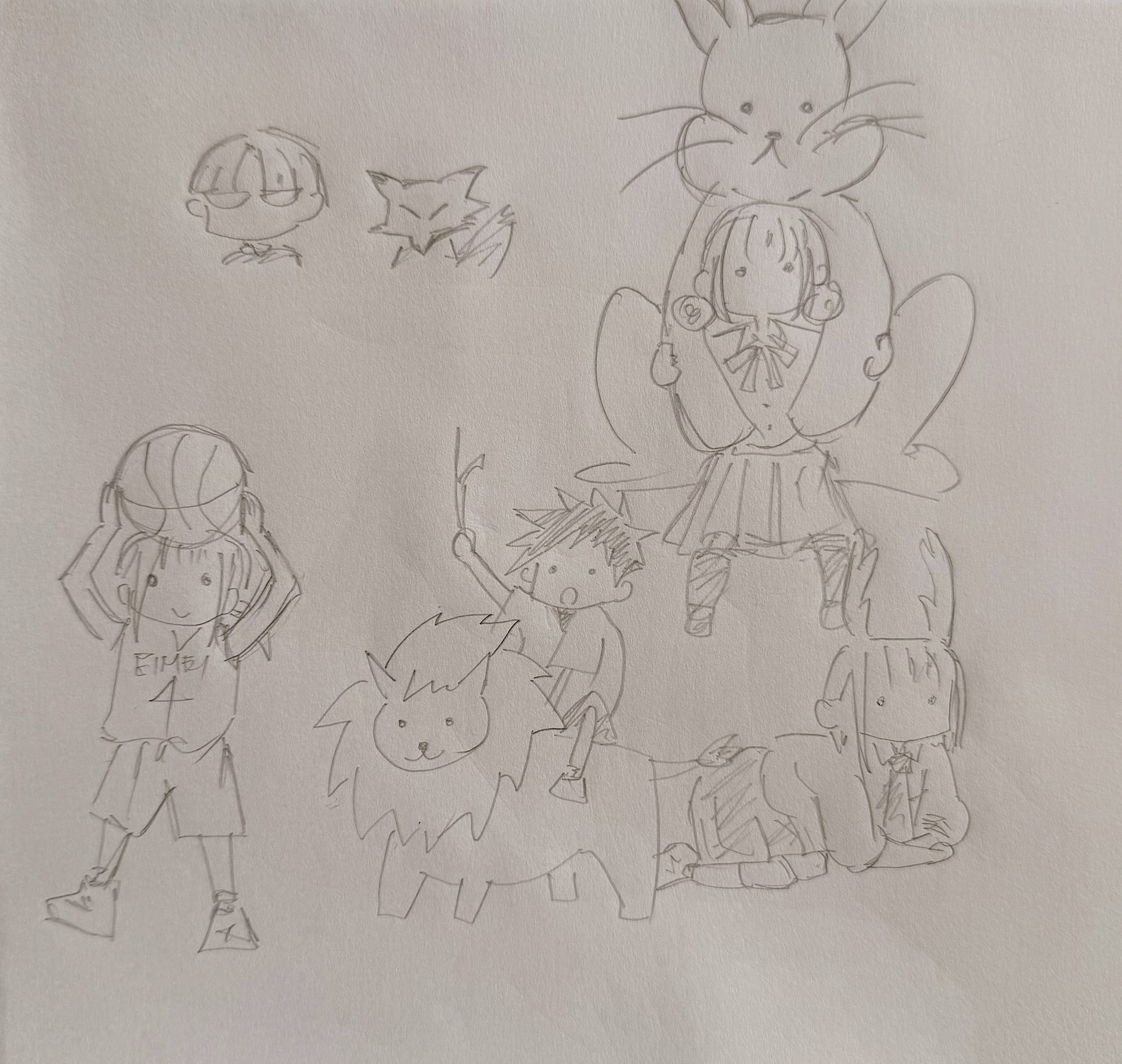
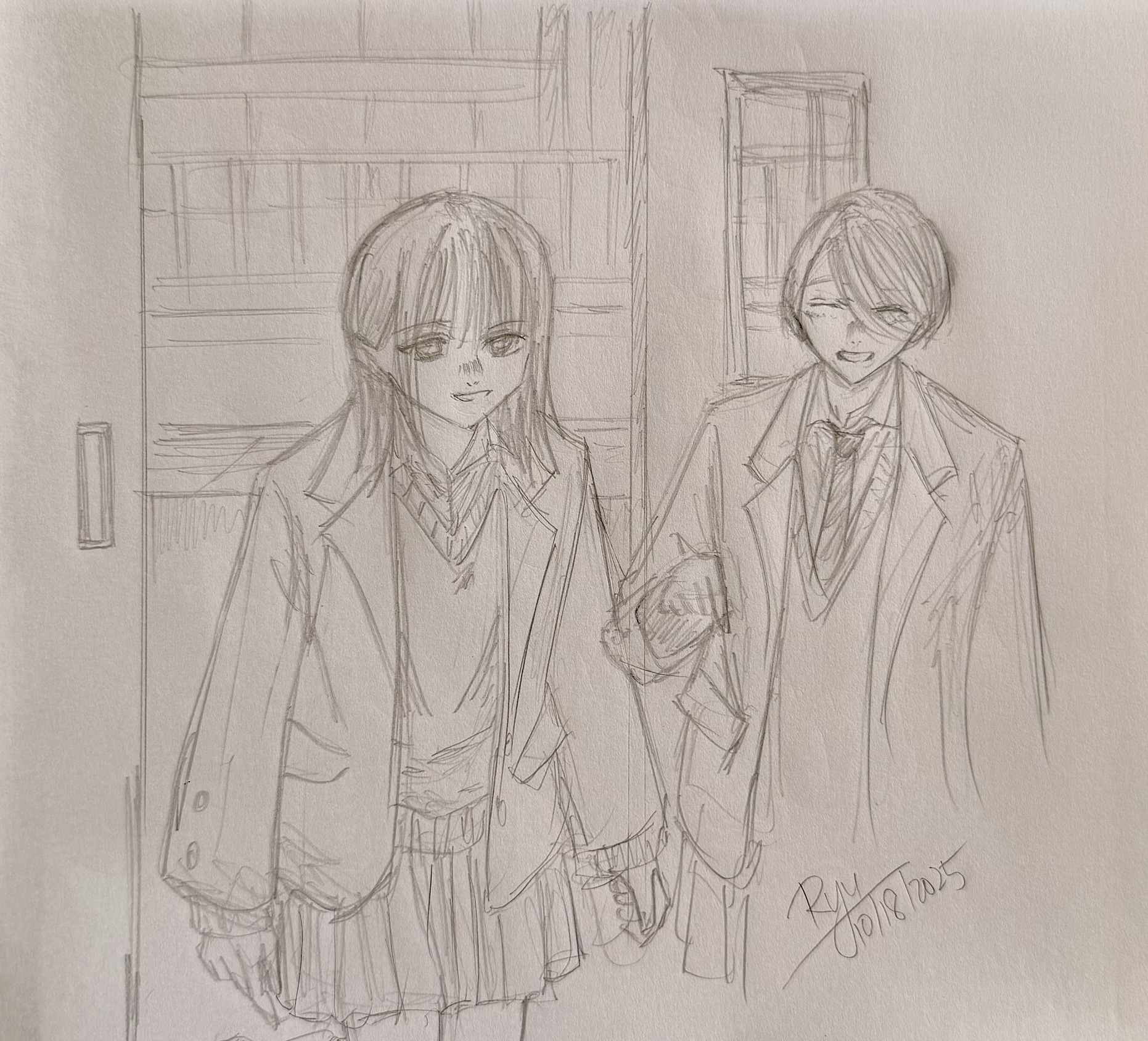
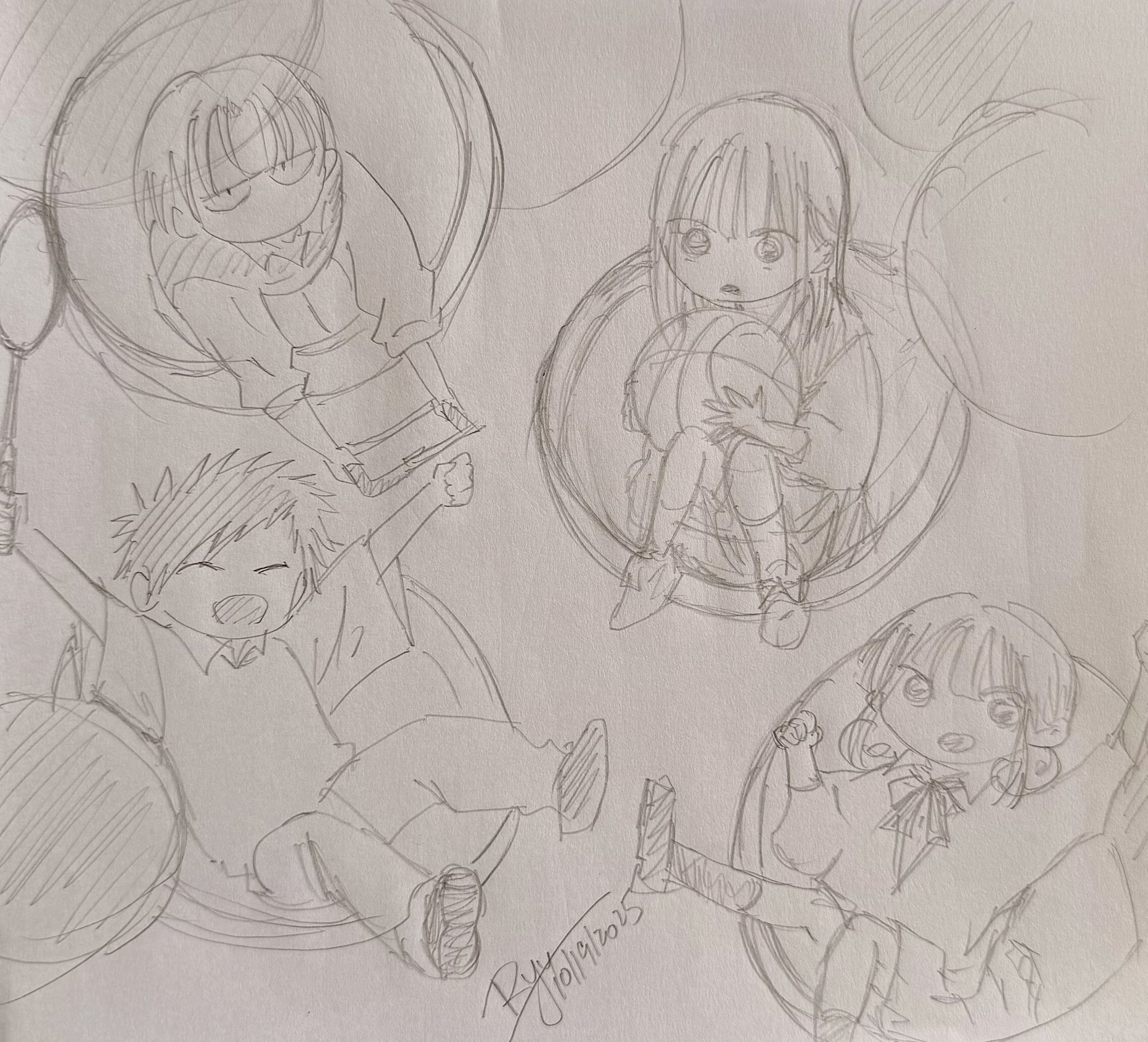
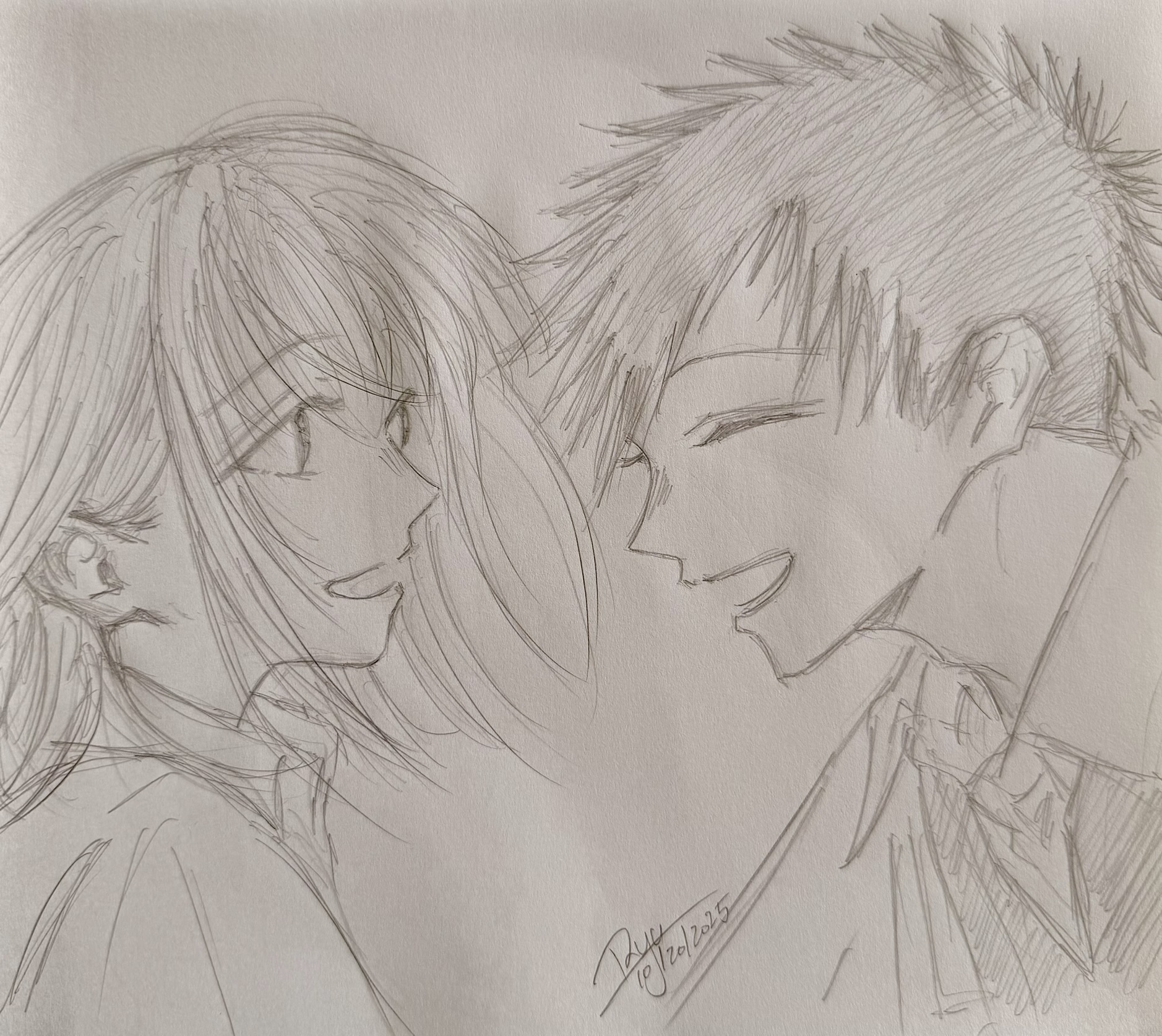

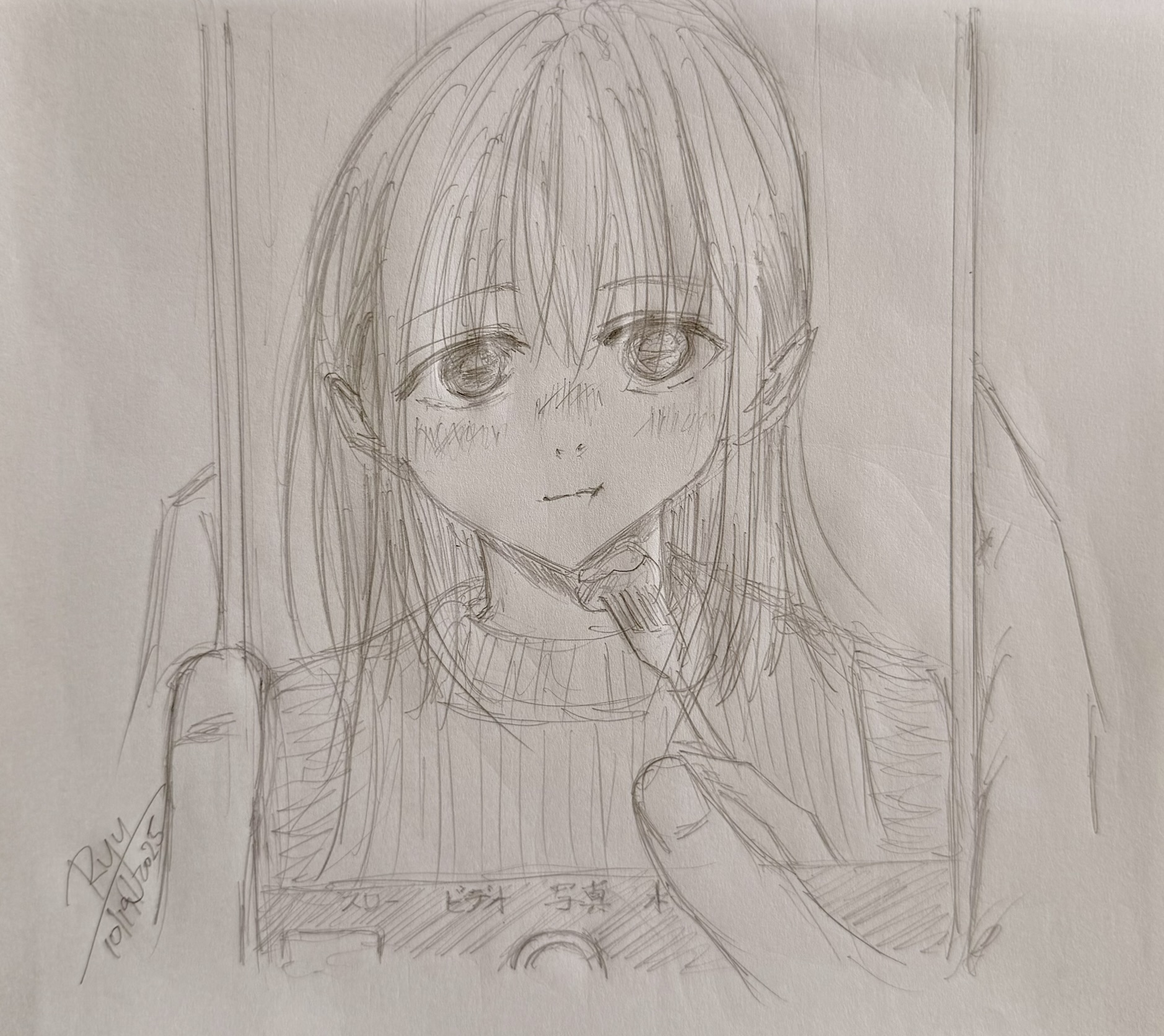

“Why did I quit? Why can’t the happy memories last? If I’d known sooner, I’d have been better, I’d have been in the court more…I could have won…so frustrating, I’m so mad about it.“ Yumeka
“Who falls for who depends completely on the person. If there are a hundred people, there are a hundred ways to love…There never is one absolute form of love.” – Nenji Kashiwazaki
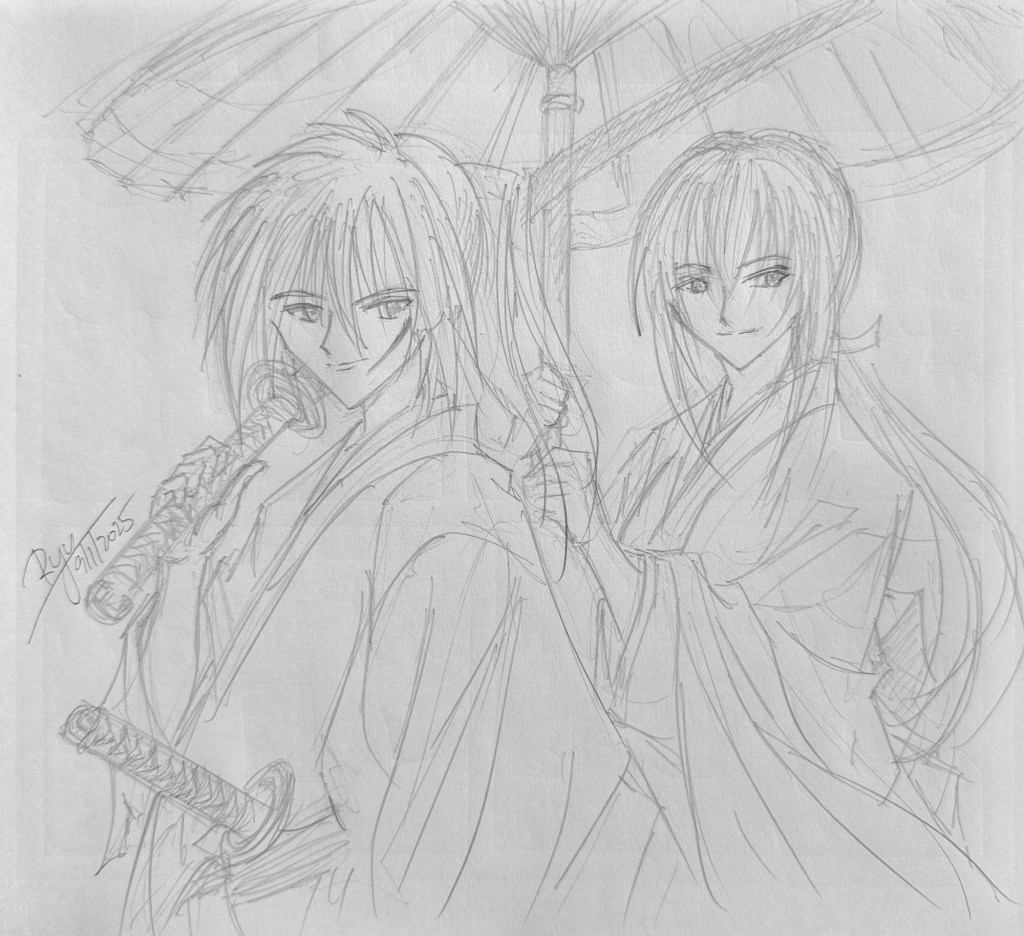
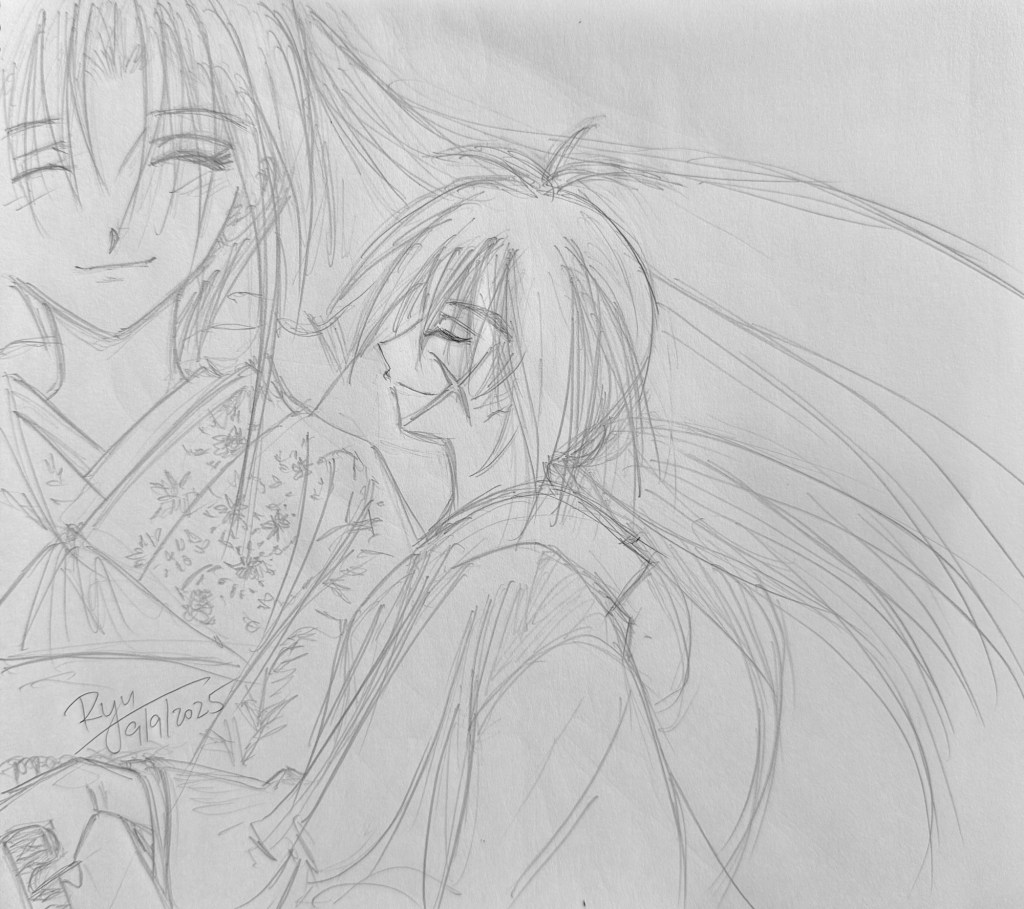
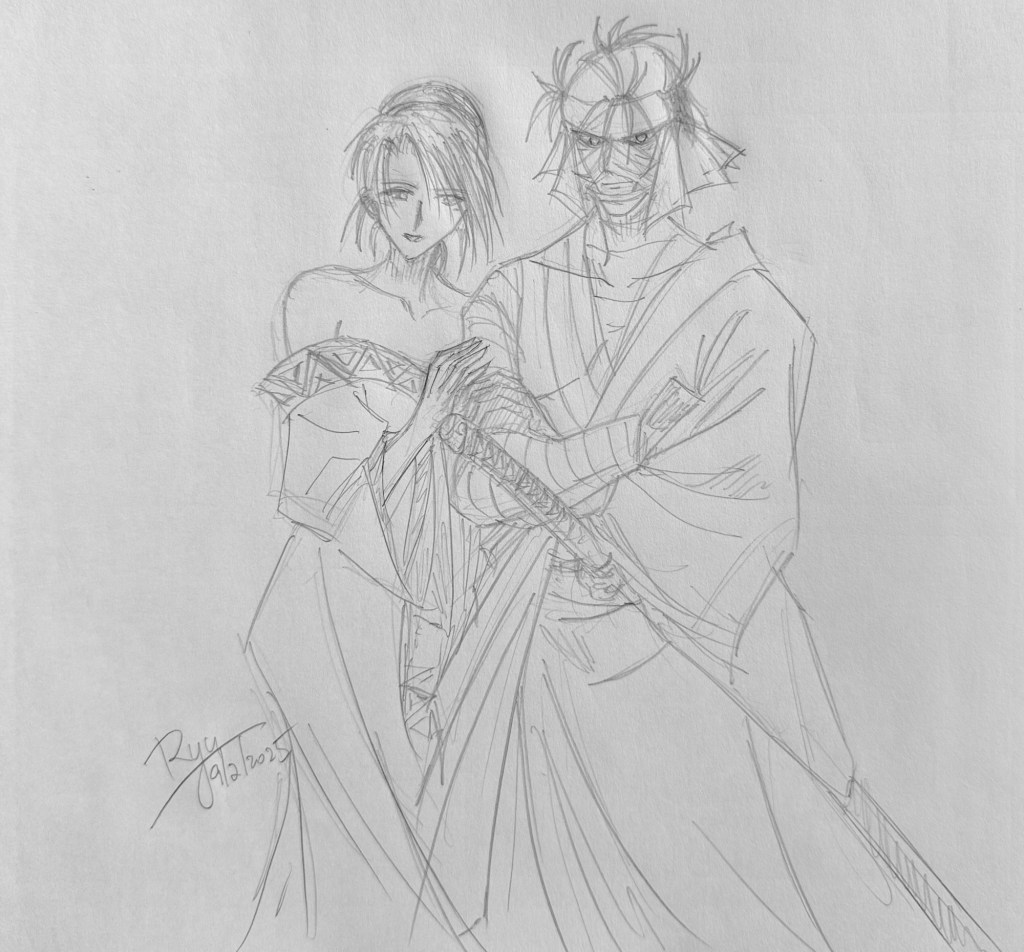
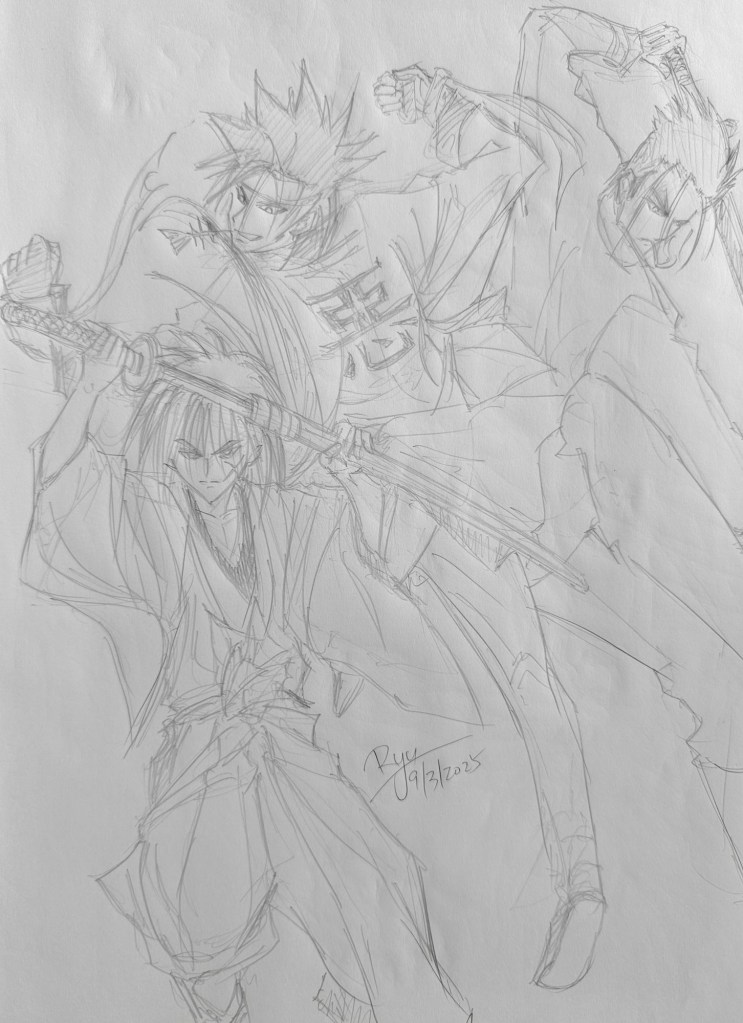
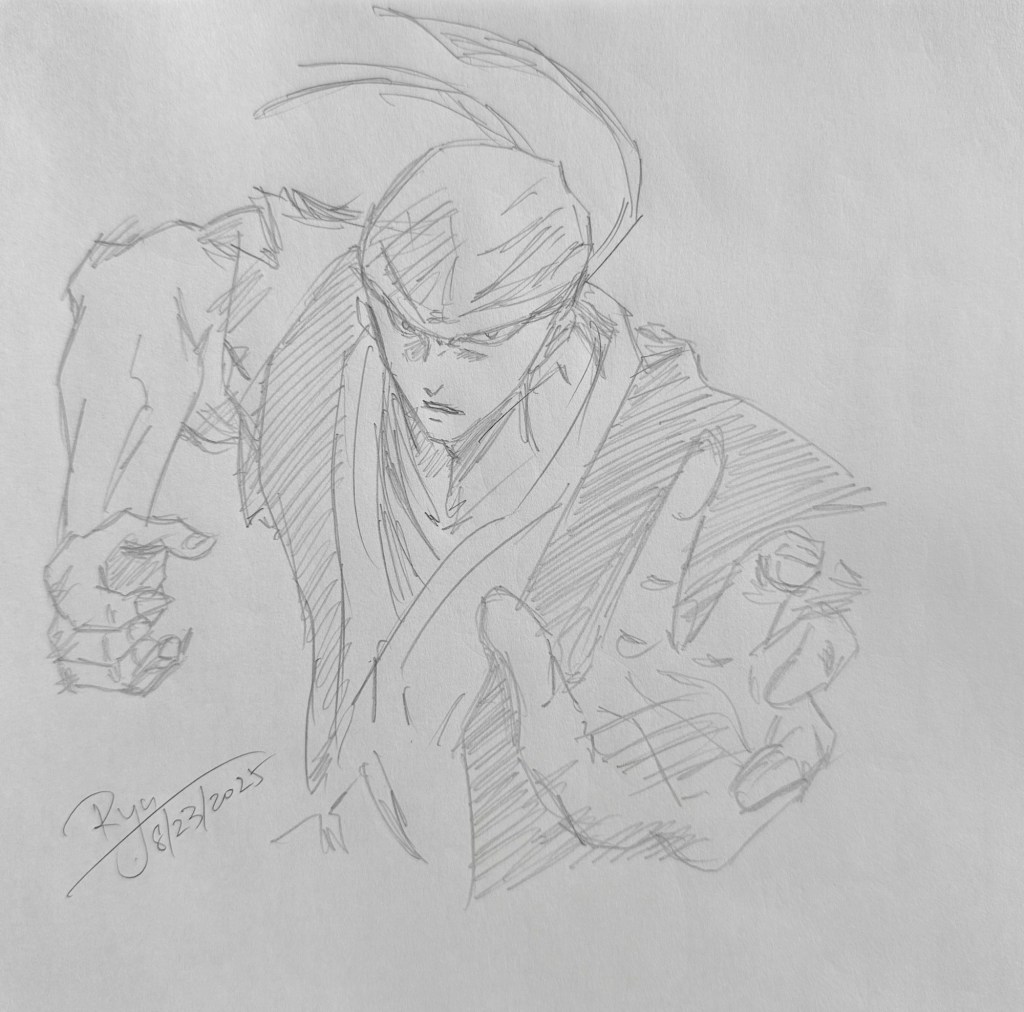
“Cherry blossoms in Spring. Stars cover the sky on Summer. Full moon shines on Autumn and in Winter, the snow covers the ground. All these things make sake taste good. If it tastes bad, it’s because there is something wrong in you.” – Seijuro Hiko
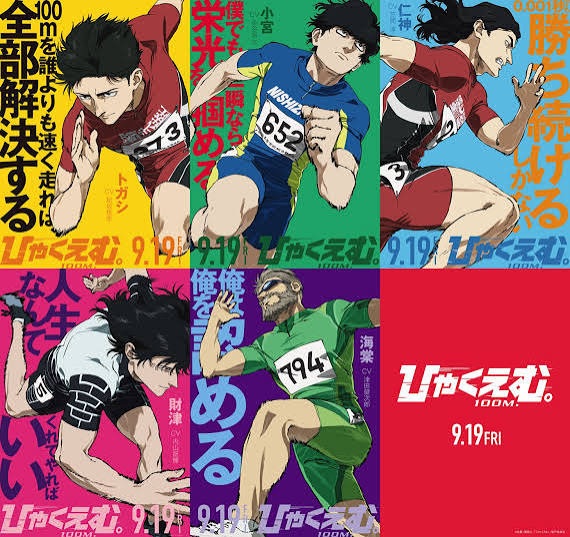
Based on the manga by Uoto (creator of Orb: On the Movements of the Earth), this is an animated film about sports and life in general. What are the reasons to strive for anything? Talent, effort, identity, pride, glory, rivalry, anxiety, setbacks, and the joy of giving one’s all. Should we face reality or escape it in our own ways? Our time in this world is short, and for those who bet their life on a 10-second race even more so. Here’s a review. “Rashisa” is the perfect song for this film.
Rashisa lyrics and translations
「現実的、客観的に見れば
絶望的 絶対的1位はきっと取れないな」
分かってる 分かっちゃいるんだけど
圧倒的、直感的に僕は 納得出来ちゃいない
ああ なんでこんなにも面倒で
不適合な長所を宿してしまったんだろう
“Look at me. See me as more than a friend. Whether it’s tomorrow, next week, or next month, I’ll always be waiting” — Hina’s thought
Song with lyrics: https://www.youtube.com/watch?v=7y5Hx0y0S9A
Taiki: I can’t be with you
Hina: No. I told you I didn’t need an answer right now. You don’t need to rush it. It’s not like you’re gonna start dating Chinatsu Senpai, right?
Taiki: No, but…
Hina: Then you don’t need to give me your answer yet. I won’t complain, no matter how long it takes. if you reject me now, you might regret it later when you realise you’re in love with me.
Taiki: Maybe so, but I don’t think this dynamic we have now is a good one. You say it’s okay for me to take my shot with Chinatus Senpai. But with the way things are now, I can’t pursue my feelings honestly. Even though I like Chinatus Senpai, I feel ashamed of myself for still being drawn to you. And I think my indecisiveness is only hurting you. So let me just make things clear. We should both just–
Hina: I said it’s fine! I know you liked someone else when I told you how I felt. Even if you like her, I still love you!
Taiki: That’s not a natural way to be.
Hina. It’s natural! It’ll all make sense once I can get you to look at me!
Taiki: I told you I can’t reciprocate your feelings.
Hina: Why not? You have way more memories with me. Is it because we don’t live together? Then we could start now. I don’t know how Chinatus Senpai feels about you, but I —
Taiki: Even so. It won’t change who I like.

Curry’s book delivers. It offers valuable advice and insights into his journey from childhood to NBA veteran. On first read, I may have enjoyed it even more than Kobe’s Mamba Mentality.
From the back of the book: “Shot Ready is a powerful distillation of Stephen Curry’s transformative philosophy of success — centred on preparation, constant improvement, creativity, connection, mindfulness and joy — delivered in his incomparable voice and style. Stunning designed and illustrated with more than 100 gorgeous photographs, Shot Ready is an intimate narrative and a practical blueprint for any reader who wants to unlock their own potential.
Excerpts:
We practice not until I get the shot right, but until I can’t get it wrong.
I fell in love with the grind. You have to. With the sacrifices that it takes to be great, you have to find joy in the work you do when no else is around…But when I talk about “the grind,” I’m simply describing the most important hours in any pursuit, the ones we invest in ourselves. I do this work in the gym in isolation—there’s no defense, no live action—but, even alone, I practice with a shot-ready mentality, training as if the stakes are high and the clock is low, so that I can rehearse finding balance in the midst of great intensity.
Being shot ready requires practice, training, and repetition, but it rewards that work with an unmatchable feeling of transcendence. My peak experience of joy is when I can lose myself in the poetry and rhythm of a fast-paced game—when there’s no time to think, and there are nine other guys flying around me, but I have the ball in my hands and somehow know exactly where it is going to go. This joy is only possible because of what I do in this gym, the hours I invested in practice and watching film. And then when the moment of truth arrives, I can let go. It is the ultimate freedom.
When the season’s over and I come back to a small gym like this, I refresh and return to my basic love of the game. And a key part of that love of the game—my love of play—is the pleasure I get in finding ways to play better.
We all have an off-season, a time to retreat for a while from the main action of our lives…this gift of time offers us the chance to either stay where we are or create new possibilities for the next season of life. In my off-season I put myself in a quiet gym and break my game down to its basics. Working on my fundamentals allows me to see—with clarity and honesty—where I need to grow.
Making life harder in practice makes things easier in life.
I keep talking about joy in the work for a reason. There are 450 NBA players who suit up to play a regular season, every single one of them chasing the same thing: the championship trophy. We each take our own path to that goal, but there is a common oath the best of those players share: We will do our best to outwork everyone else. When you’re playing at this level, when everyone is keeping the same promise to themselves, or trying to, what can set you apart is joy. The ups and downs of any job can steal joy from you—whether it’s a day-to-day pilfering or one big disappointment that leaves you wiped out. Protect your passion. It is joy that will sustain your commitment to greatness and the work it requires. But joy is more than a great motivator. It is both the means—that things that drives your effort—and the end, the glorious payoff of all that work.
No matter how long they’d been playing, the great ones had the confidence that they were the best, but they all wanted to get better.
If something is handed to you or a task comes easy, you won’t get the chance to develop the drive you need to sustain excellence…Be comfortable with who you are as a player, but relentlessly build on those strengths.
…success usually has a lot of failure wrapped up in it…we only truly fail when we shrink away from challenges to stay in a comfort zone.
But he taught me that you have to rigorously train your body in the proper form on close shots before you move out the arc. The repetition is how you lock in your mechanics…consistency at the point of release is the key to great shooting.
…obsessing over failure is just a distraction from the work of improvement.
It’s never about proving other people wrong. It’s about proving yourself right.
I play with joy because that’s who I am, but deep down I have an intense competitive fire. Behind the playfulness is a killer instinct that not many people recognize. But Kobe did.
As a player you have to constantly evolve.
But I want to be remembered as somebody who worked hard.
You become who you think you are. Be the best in your mind and don’t apologize for it.
Surround yourself with harder-working people…All of us always watching the others to keep pace we were going at and the intensity that we had. Constantly leveling up. It was such a healthy environment to just get better.
Success will never come without stress, but controlled breathing can help you train your response to that stress.
It’s important to make the most of obstacles and setbacks, no matter when they come. Adversity reveals who you have become and who have yet to become. What a gift to find at the back end of your career—another chance to discover who you are and who you can be.
As I move into the tail end of my career, I have confidence that I can continue to thrive. But the questions come: “Are you thinking about retirement?” I do think about it, but perhaps not in the way they think I do. There is a timeline, but it’s not a source of dread. It’s a gift. The gift is that the timeline gives me more motivation for the now. To take advantage of every opportunity and edge that I have. Because of course I know the ball will stop bouncing eventually. But not yet. The gift of the timeline is that it keeps me in the moment.
You can’t slow down time, but you can value it. Make it purposeful.


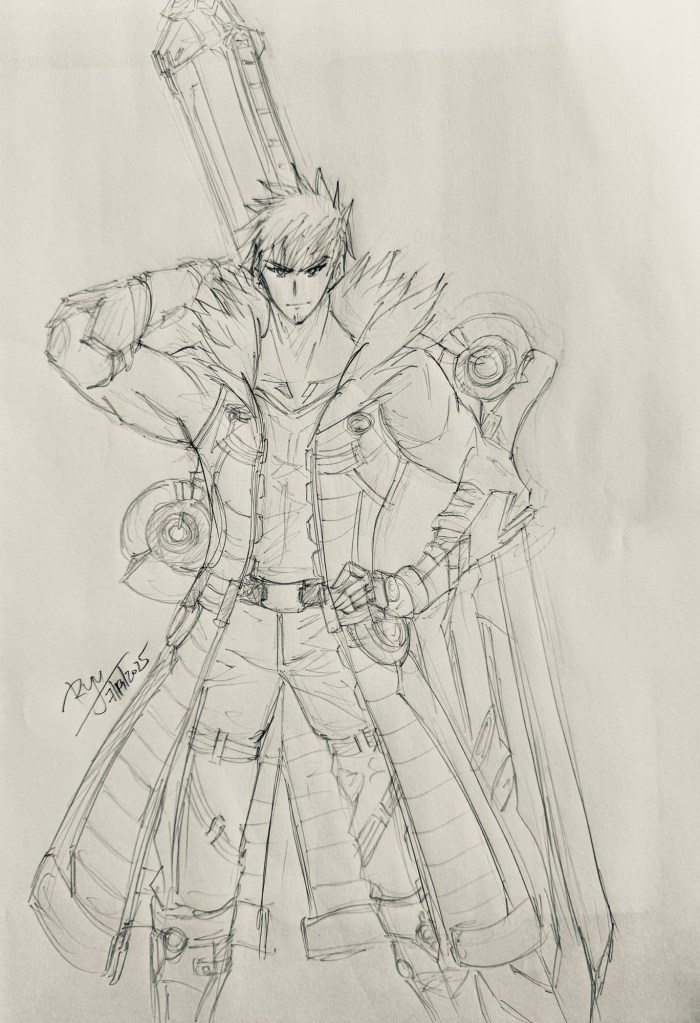
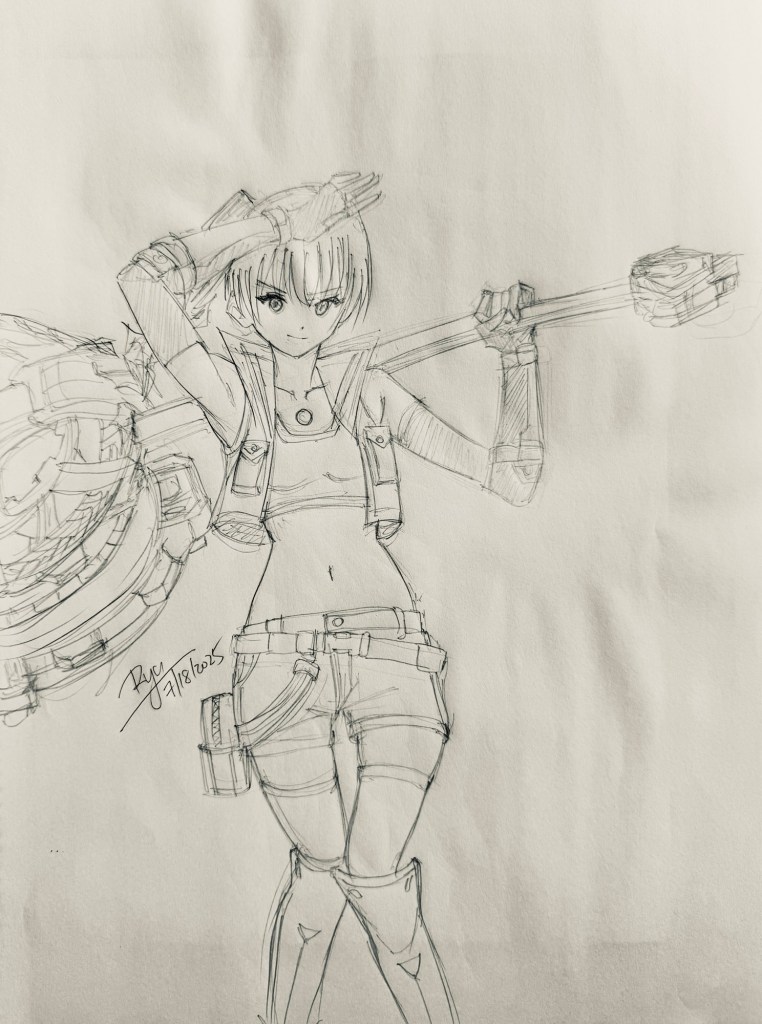


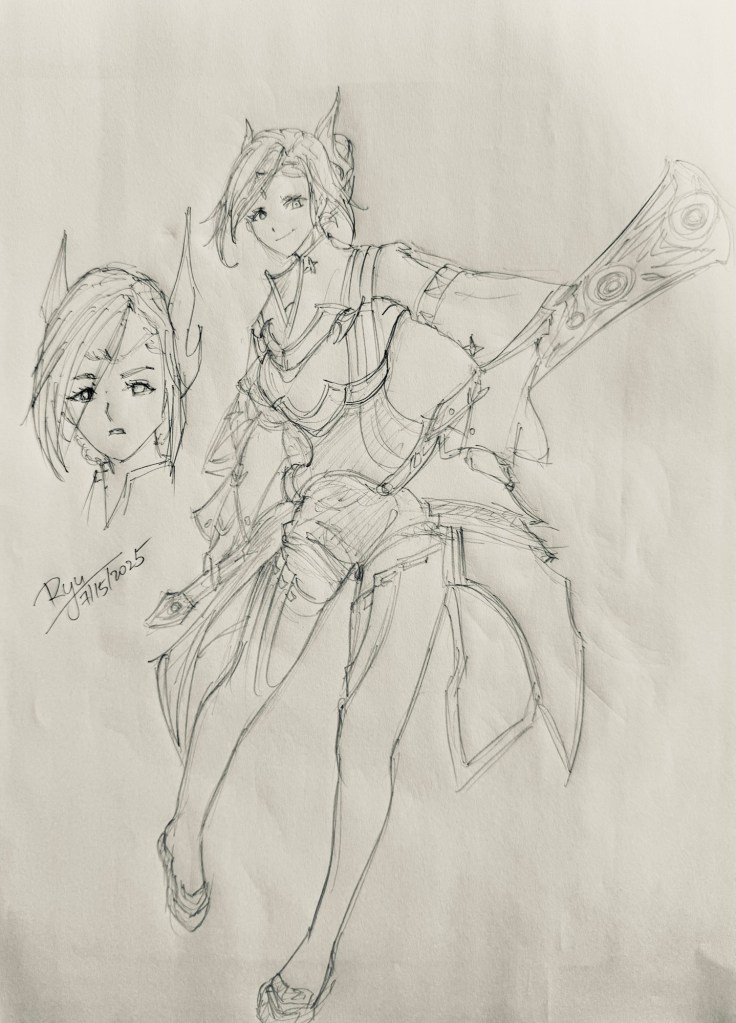
“This is the truth of our world. Memories melt in the morning light, and then, a new day begins. Roads stretch out before us. So many paths. Which do you choose? That’s up to you. Sometimes, you might run astray. You’ll stop, maybe cry in frustration. But, you know, that’s all right. For the roads…they go on without end. So look up, face forward, toward your chosen horizon, and just walk on.” – Noah
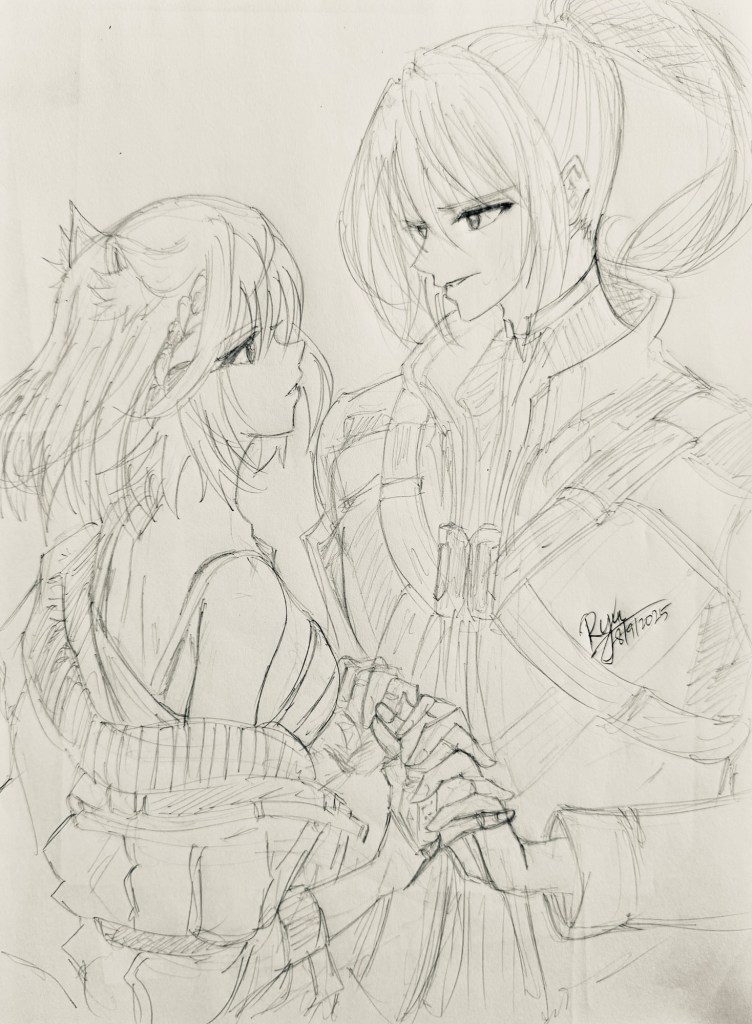
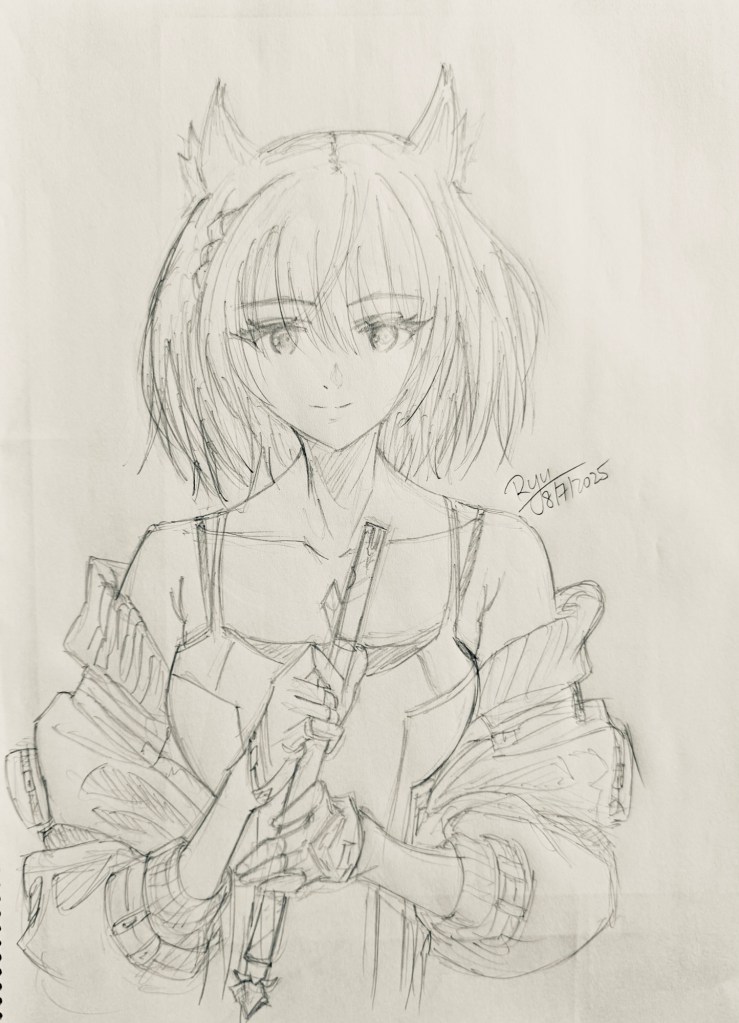
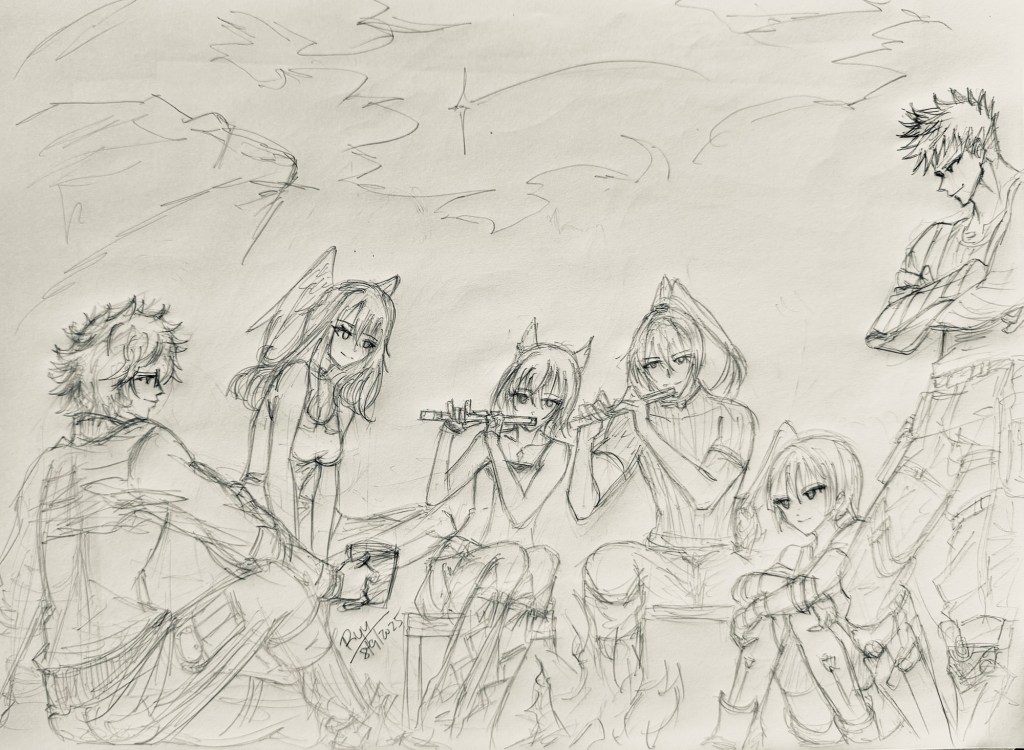

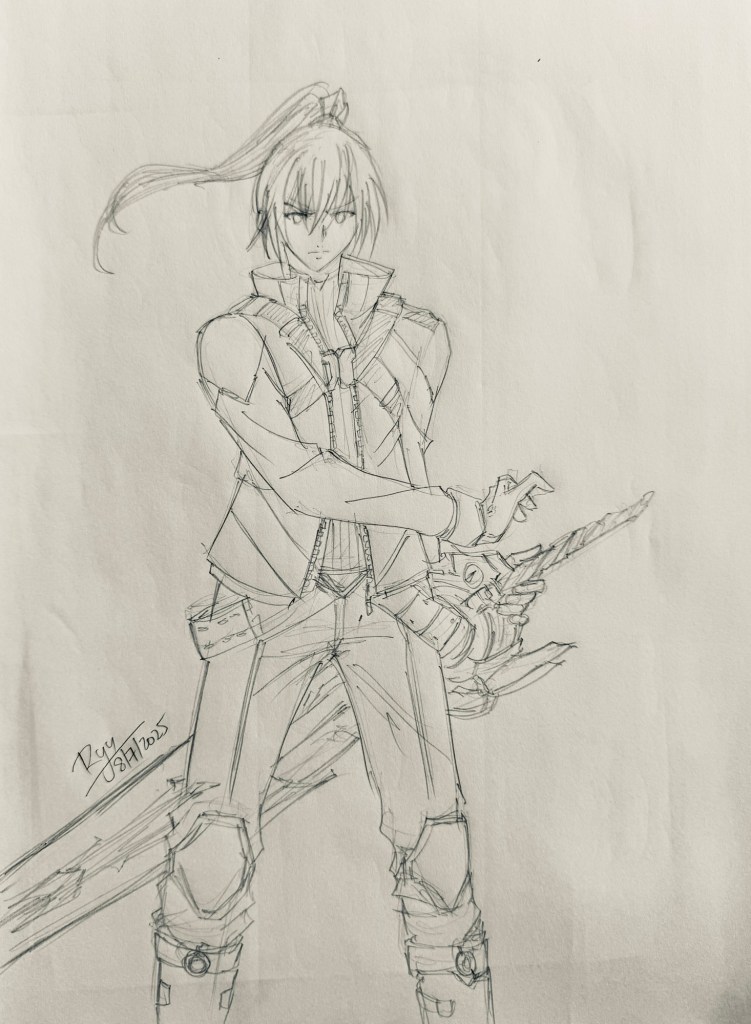
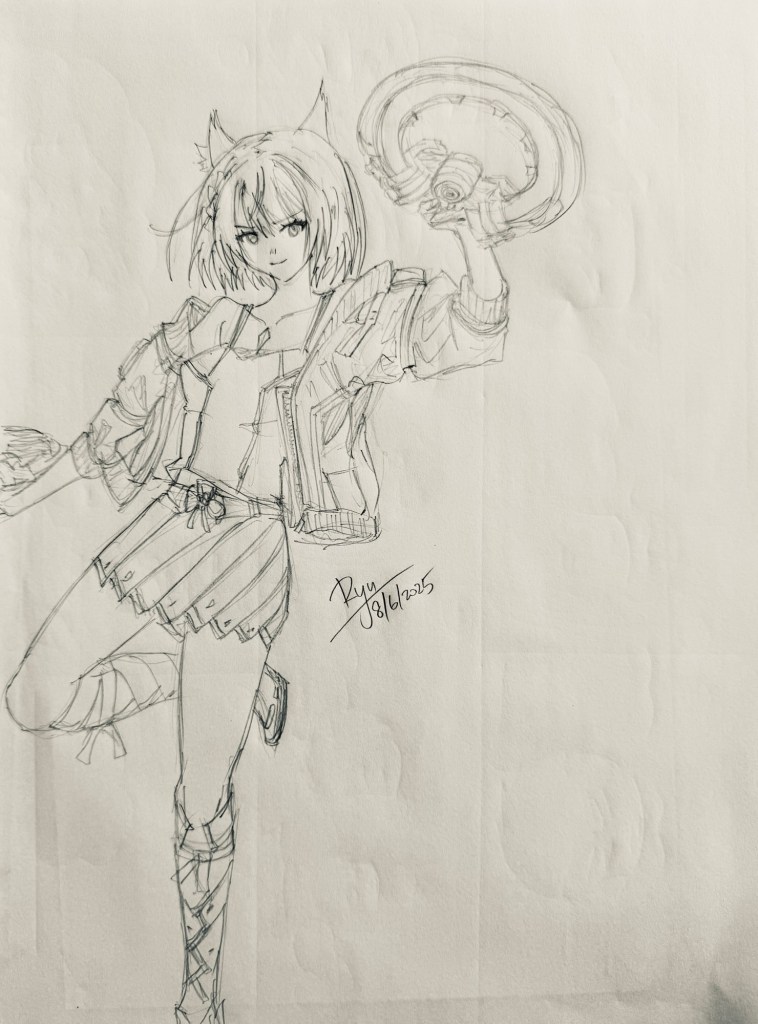

Noah: Do you think an off-seer can ever reach others? You know. I thought our lives were like our music, always in our hands, under our control. I wasn’t facing the truth. Even if I could reach people, I wouldn’t be able to save them. I should’ve known that. It’s unbearable, seeing lives slip away from you. Even though they’re right there. What am I even doing?
Mio: It’s dark out, huh? No moon.
Noah: Huh?
Mio: But the starlight. It’s so nice and warm…Hey, when the two of us first met, you asked me if I wanted to survive…I replied I didn’t mind either way…I’ll correct that. Now I want to live. To live, and learn, a whole lot more. Noah, there’s so much for us to see.
Noah: Finally. You called me by my name.
Mio: Oh yeah. Sorry. I guess I felt that if I did, my heart would downright break. Because I’d be admitting the truth…But you know, these feelings that grew within me. They’re thanks to you. That’s why you’re not allowed to say it’s been for nothing. You’ve enriched my life, Noah. That’s clear now…You know, I don’t want this to be it. If I were given the chance, if this road I’ve walked were to keep on going, I’d like to spend that time with my Noah.
— Noah and Mio’s conversation before the Homecoming
It’s been almost 5 years since I started learning piano. I’ve learned many songs, but I’ve forgotten most once I stopped practicing them.
In my practice, I tend to choose one longer classical piece, one anime, game, or pop song, and one to two pieces from the ABRSM syllabus. Occasionally, the ABRSM syllabus gives me a chance to revisit pieces I’ve learned. The Chopin Waltz in the grade 6 syllabus was one of them. It was the first Chopin piece I played, and at that time my technique wasn’t good enough for certain passages. It’s easier to pick it up again, and I have fewer troubles with the techniques. But I feel I can still do better to achieve a better flow in the piece. Here’s the latest recording, and here’s my recording three years ago.
Initially, I didn’t like revisiting pieces I’d learned because there were many new pieces I wanted to learn. But as I have gradually played more pieces, I think it might be a good idea to revisit some of my favorites from time to time. This way, I might be able to play them more beautifully, understand the music better, and perhaps commit them to my long-term memory.
“What’s hard isn’t just the work. What’s hard is giving everything you have with no guarantees but the love of the game. It takes what it takes. Every day. Of your whole life. And even then, it might not be enough.” – Chris Bosh
Golden: The Miraculous Rise of Steph Curry is a biography of Curry. Somehow It didn’t leave much of an impression on me. But it prompted me to revisit Chris Bosh’s book: Letters to a Young Athlete, which I still enjoy. It’s full of good advice from someone who’s been through the journey. I hope Steph’s new book, Shot Ready, will offer more insights on his mindset.
Excerpts from Golden:
It’s not the time he puts in, or how gruelling the load. Housen is amazed at the ethical difficulty. Curry practices the difficult until it becomes normal. He sets the bar so high in practice that his dazzling is monotonous in the games…
He doesn’t work on 3-pointers, he works on 3-pointers from deep after three-pronged dribble moves. He doesn’t practice free throws. He practices left-handed floaters from the free throw line. And once the insane has become normalised, he turns up the heat. He’ll wear a mask to simulate altitude, tiring himself out faster–and saving the wear and tear on his body–so he can get comfortable shooting 3s while fatigued. After the stop-back became normal, as did the step-to-the-side 3, he worked incessantly until he got down the side-step-ping, around-the-back 3-pointers.
Excerpts from Letters to a Young Athlete:
How an athlete plays when they’re exhausted tells you everything about who they are as a competitor. The successful ones don’t even think about being exchanged. They’re so used to it that all they think about is performing.
You become capable of the grind by surviving the grind.
But I’ve always believed that how you do anything is how you do everything. If you make excuses or take shortcuts in one part of your life or your game, it’s very hard not to do it everywhere else.
Maybe the biggest difference between great athletes and mediocre ones is the learned ability to distrust that malfunctioning empty light in their brains.
Pain is temporary; glory is forever. If you want to excel, you have to get used to the pain. You have to get used to exhaustion. I can’t promise you that it will ever be a comfortable feeling, but I can guarantee you that you can become familiar enough with it that you can visit that mental and physical space on your path to getting better and not have to worry that you’ll crumple under the pressure.
Finding a reason for hunger when you have every reason to feel full–that’s what separates good from great.
You don’t get peak mental performance without taking care of your body. Sleeping right. Eating right. Exercising. Those investments in yourself don’t stop paying off when you stop playing the game–they will pay dividends for your whole life.
Criticism is a tax on success. If you’re getting criticised, even unfairly, take a second to appreciate it–it means you’re doing something right.
Criticism is easy. Putting in the work is hard. Anything you do to get better at your craft–one extra rep, one extra practice shot, one extra hour of film–is more important and more significant than a thousand pieces of criticism.
Winning and losing are both imposters, and I say that to you as someone who danced with both for four consecutive years. I’m not being flip. When you have real mental strength, you know that your worth and your deep-down happiness don’t depend on the scoreboard. Winning doesn’t give you that peace of mind, and losing doesn’t have to take it away.
What’s hard isn’t just the work. What’s hard is giving everything you have with no guarantees but the love of the game. It takes what it takes. Every day. Of your whole life. And even then, it might not be enough.
I love the way Jerry Seinfeld put it once: “Your blessing in life is when you find the torture you’re comfortable with…it’s work, it’s exercise. Find the torture you’re comfortable with and you’ll do well.”
There’s no way of knowing exactly what it’s going to cost when you set out on the journey. Maybe that’s just why the journey is so hard–and so rewarding when you reach your destination. Maybe all you can say is: it takes what it takes.
Moriya: I admire couples who are like friends.
Kyo: Moriya, you seem like you’d toy with your partners.
Moriya: I don’t toy with them! Even if I did, I’d go out with guys who were fine with that. I mean, the one who’s loved more is the happier one in a relationship.
Kyo: Then how does the one giving all the love find happiness? You get asked out a lot, but your relationships don’t last that long, do they? Not to be rude, but what do you know.
 Ryu's Blog