-
I like routine. I used to think that travel disrupts my routine, since I won’t be able to practice piano, draw, or train as normal. But now I think travel can provide a different type of routine, and it’s not a bad idea for the body to experience something different from time to time.
When I visit London during my annual work trip, I always run in Hyde Park. Similarly, when I visit Tokyo, I stay in a hotel not too far from Yoyogi Park so I can run there in the morning. This kind of infrequent routine has become something I value. Even though I don’t visit Manhattan often, a run in Central Park still brings back familiarity. An annual snowboarding trip to Naeba has also become a family tradition.
There is a trade-off between visiting new places and revisiting familiar cities. When we are young and haven’t seen many places, it makes sense to explore more. But when we are older and have a better sense of our preferences, revisiting places we like becomes more valuable.
I still enjoy exploring new places once in a while, but increasingly I also like to revisit places I like. It seems like as long as we are mindful about it, routine can be established anywhere, and infrequent routines can be as valuable as the regular ones. Be present and every day could be a perfect day.

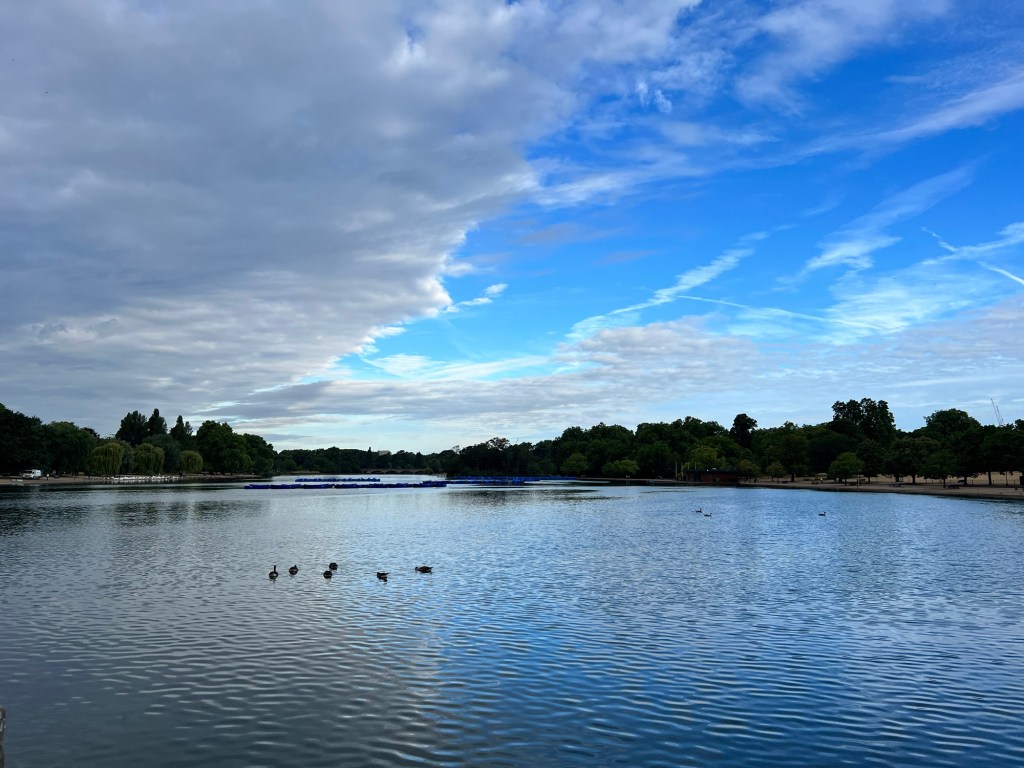
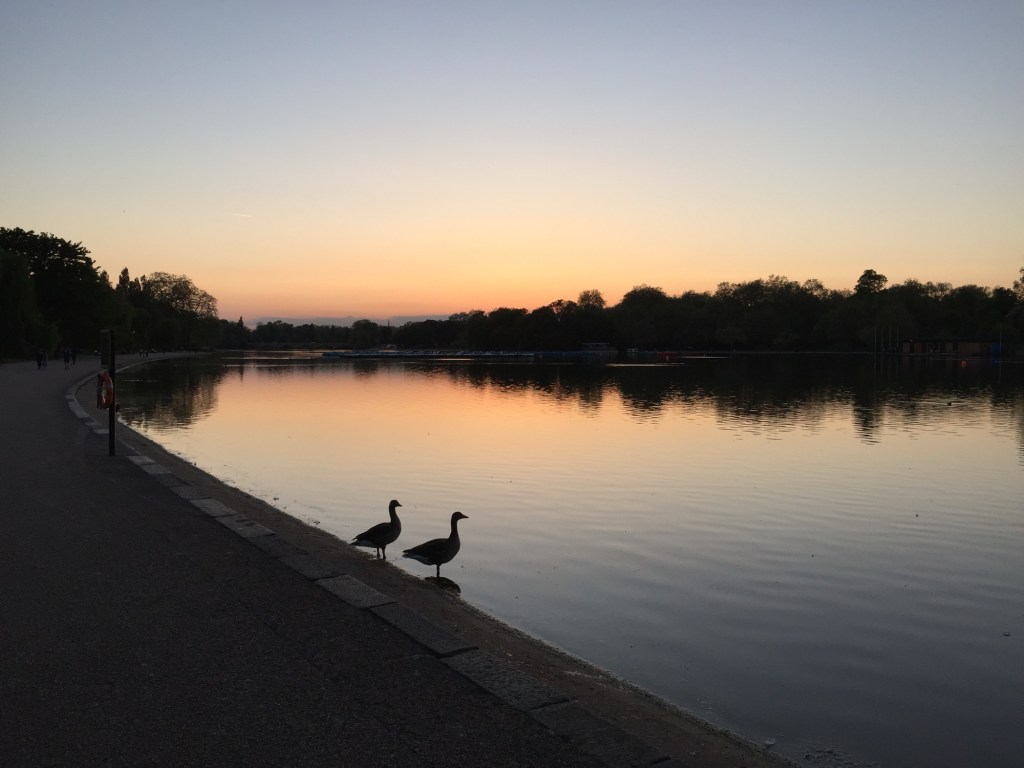
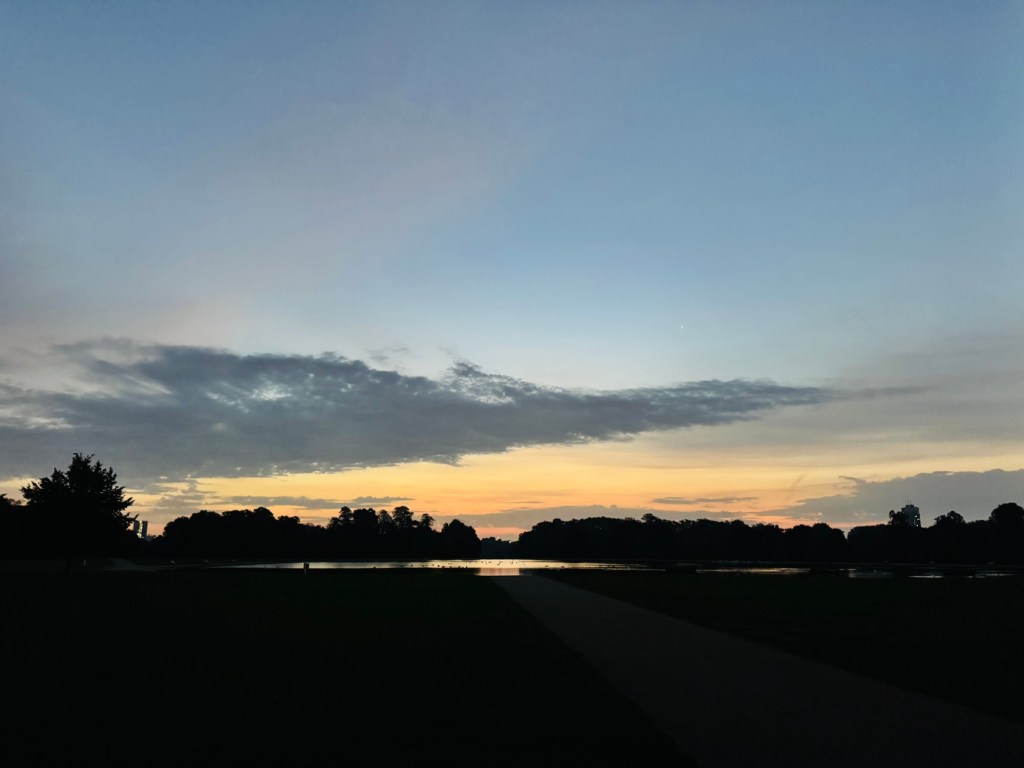
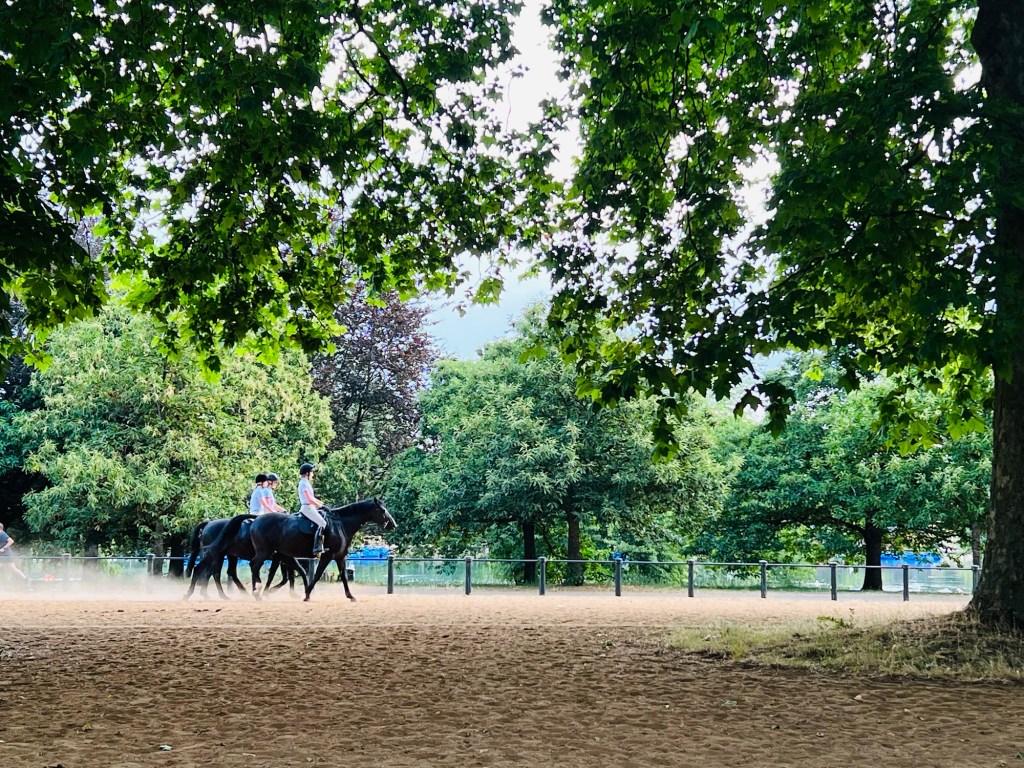
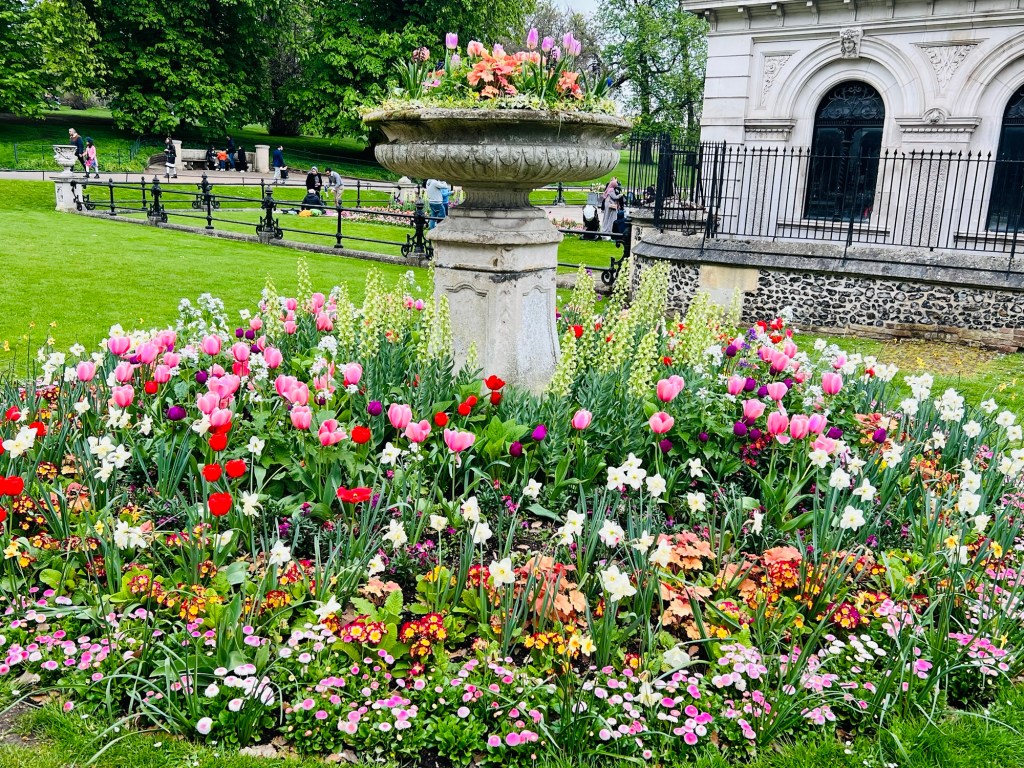
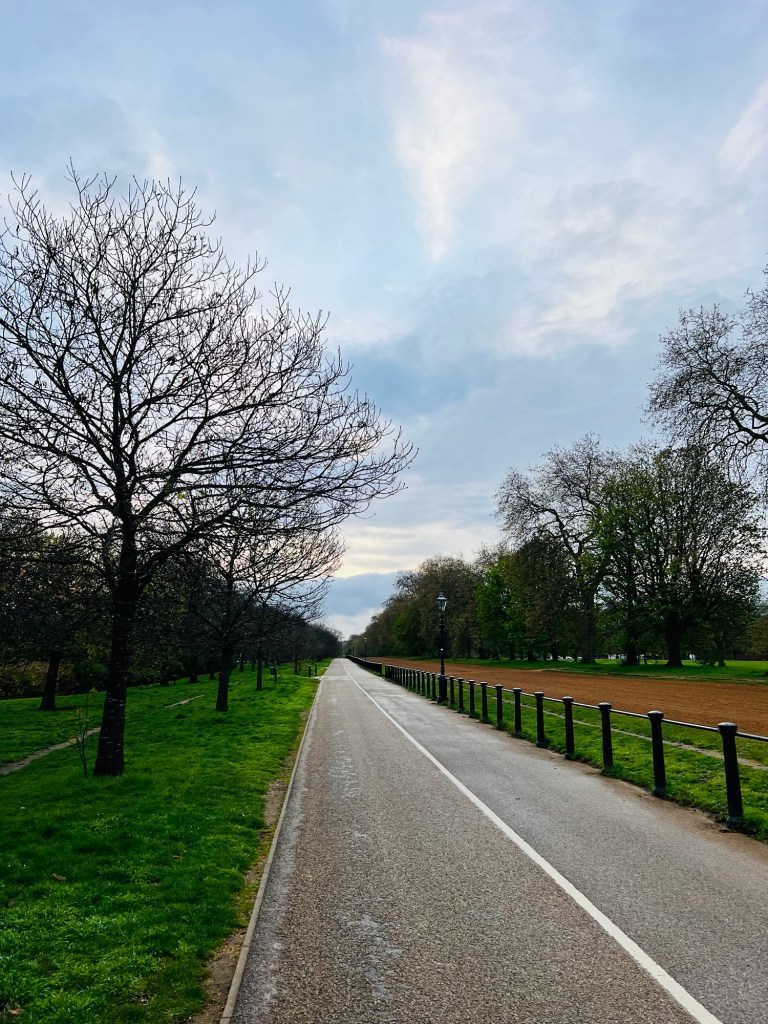
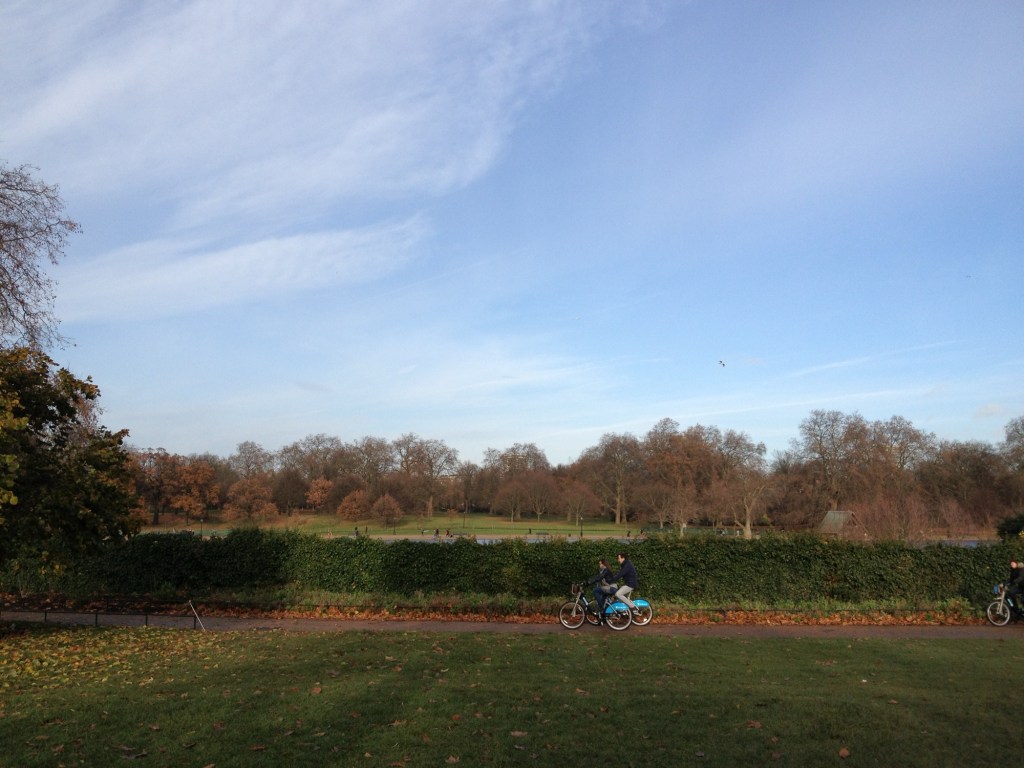
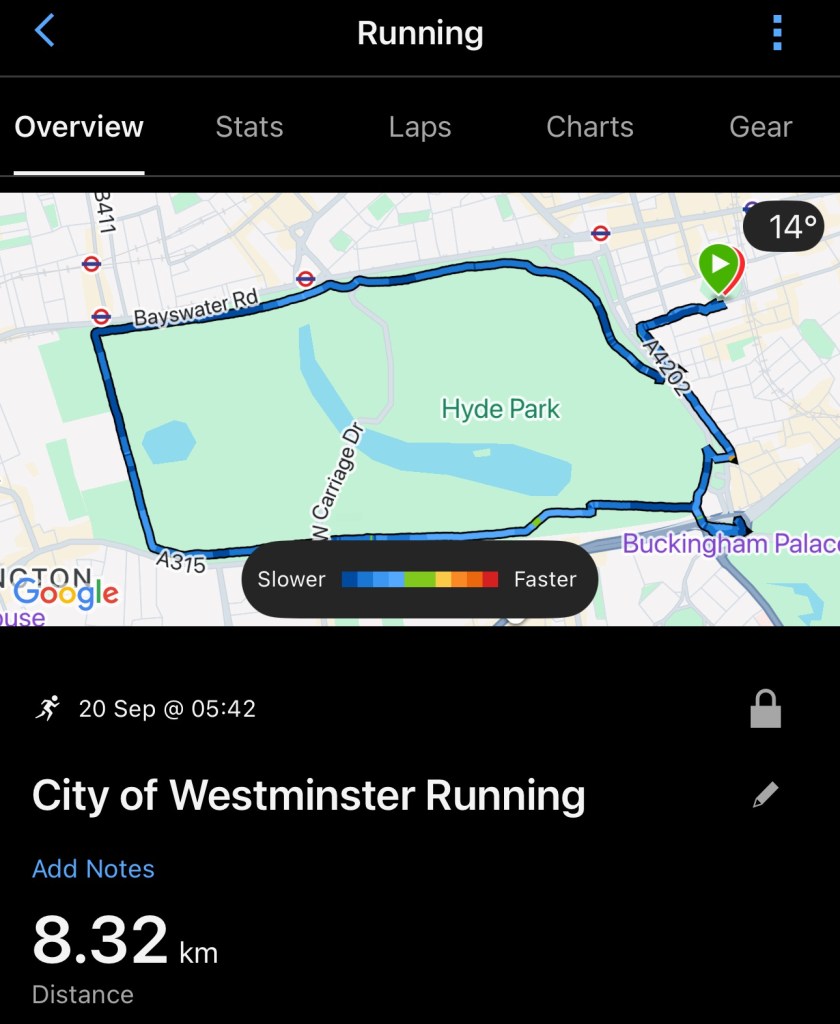
Hyde Park in different seasons -
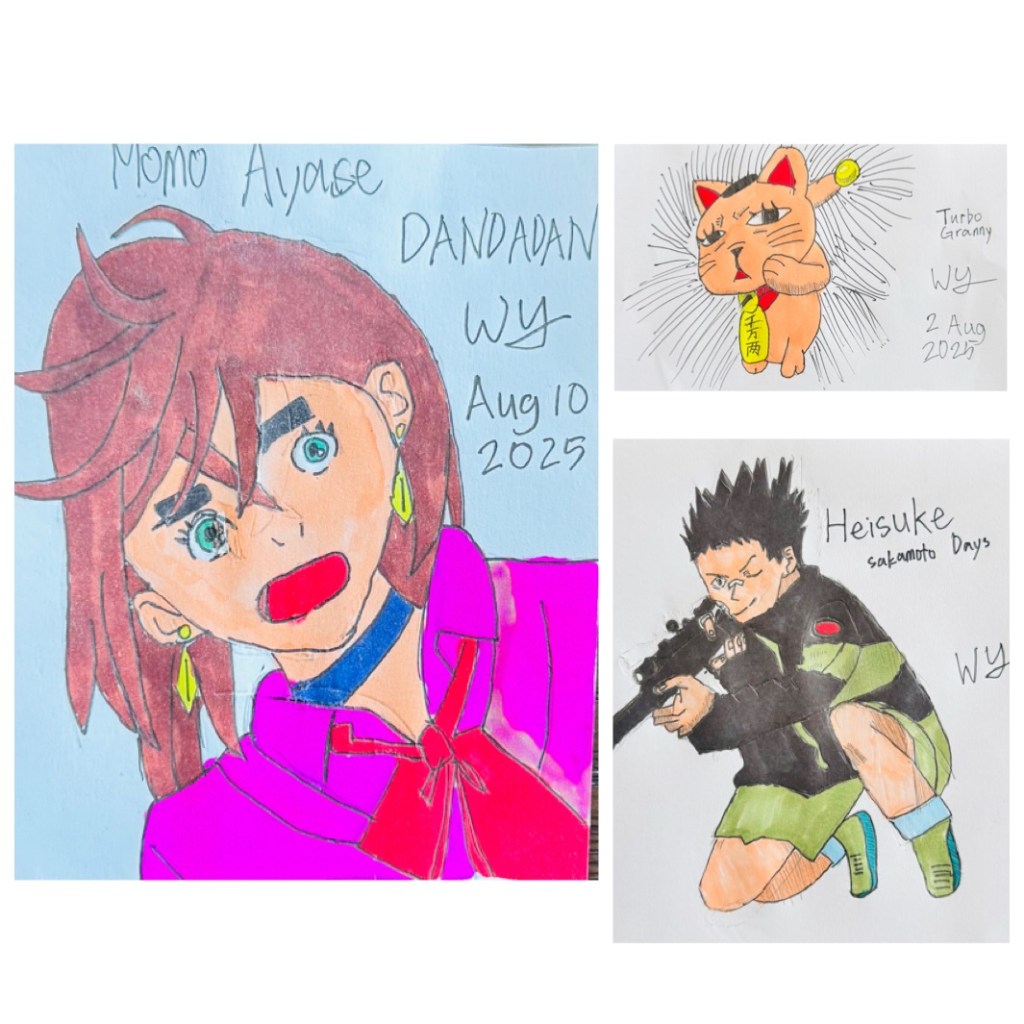


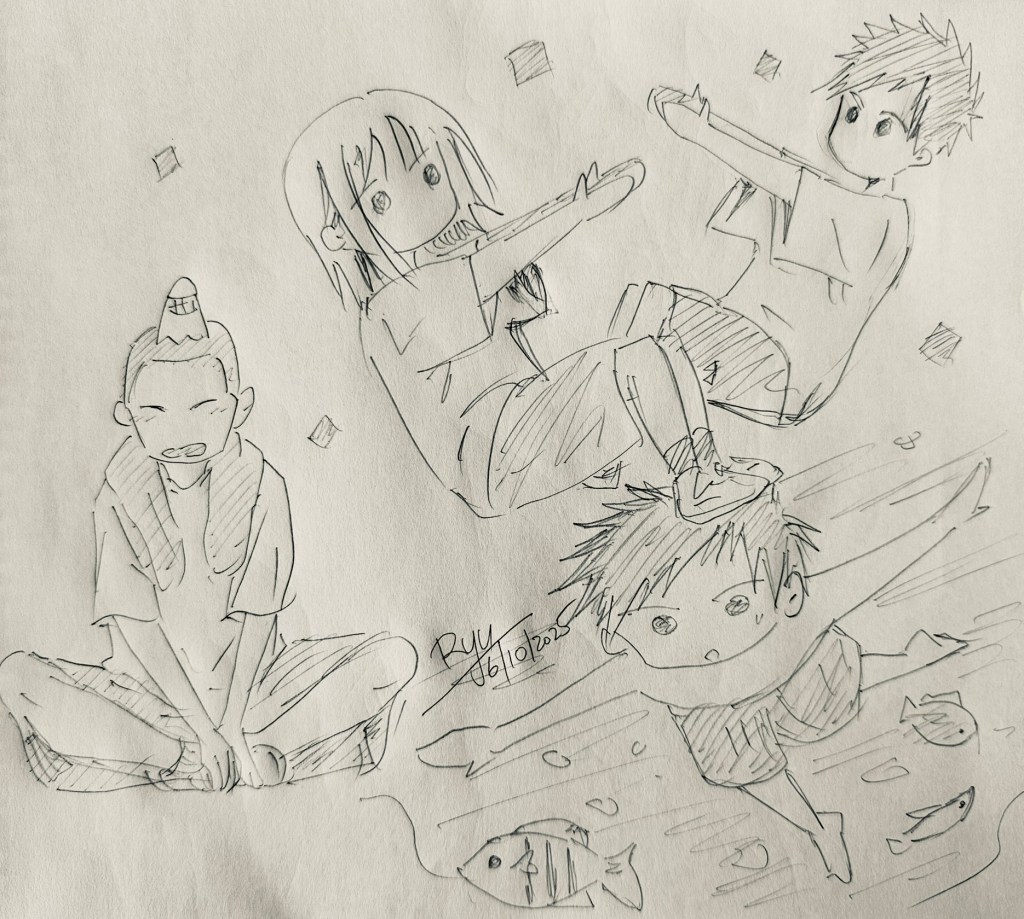
I don’t have any of my childhood drawings anymore, but I remember drawing in a similar way to my son when I was in primary school: pressing hard with harsh lines, often getting proportions wrong, and being impatient with details (I still am). Although my technique has improved over the years, there’s an innocent charm in my son’s drawings that suggests he sees the world differently. While I can’t go back in time to experience that perspective again, the cliché about reliving our childhood through our children feels surprisingly true.
-
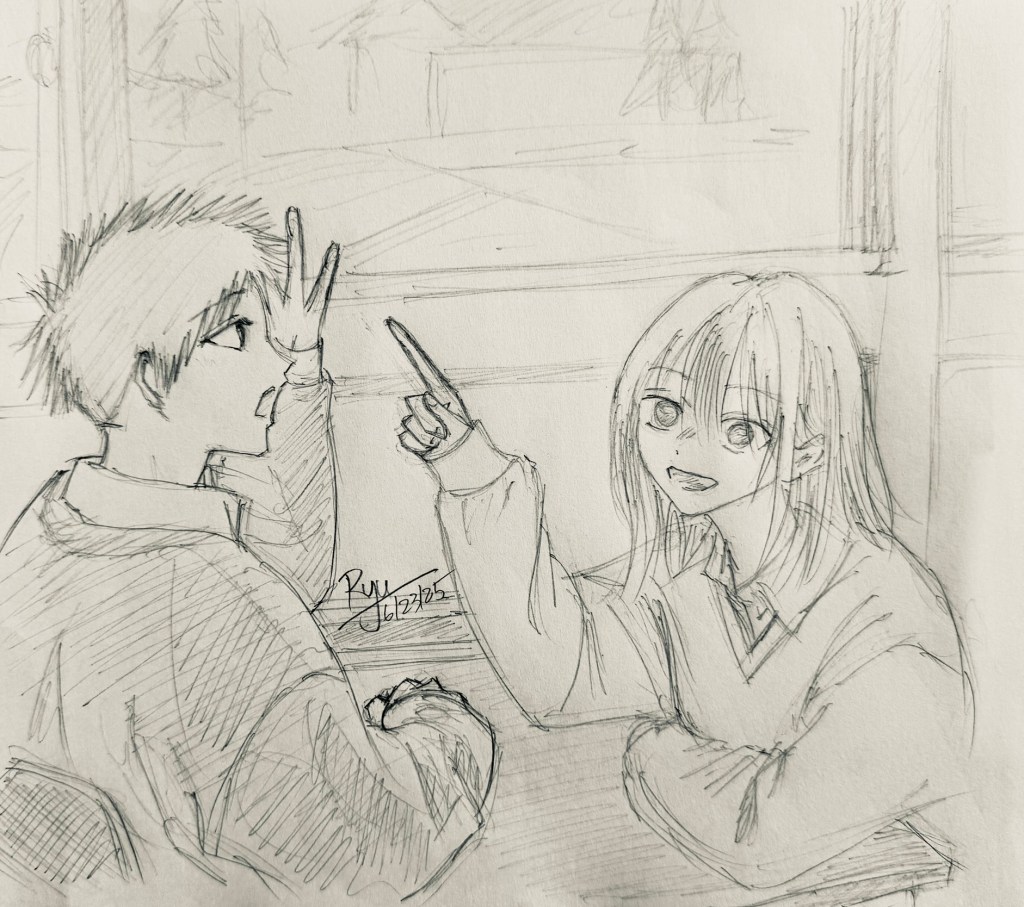
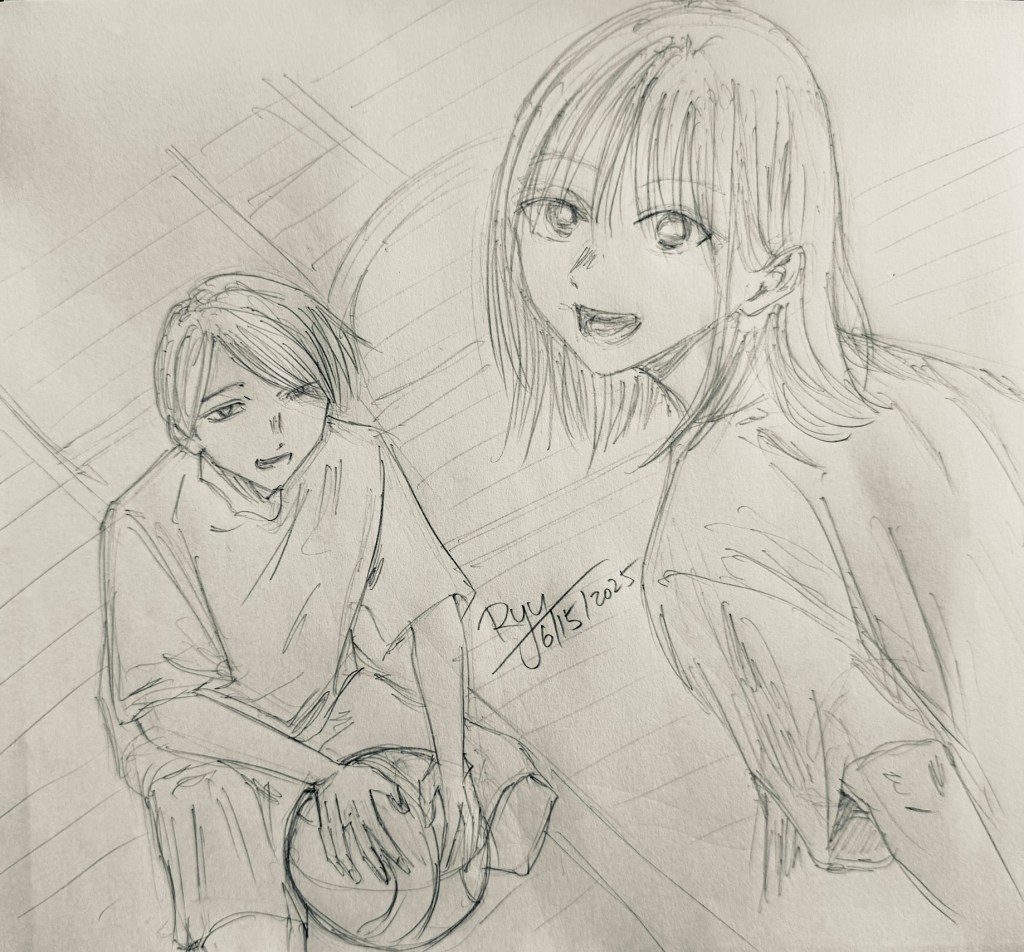
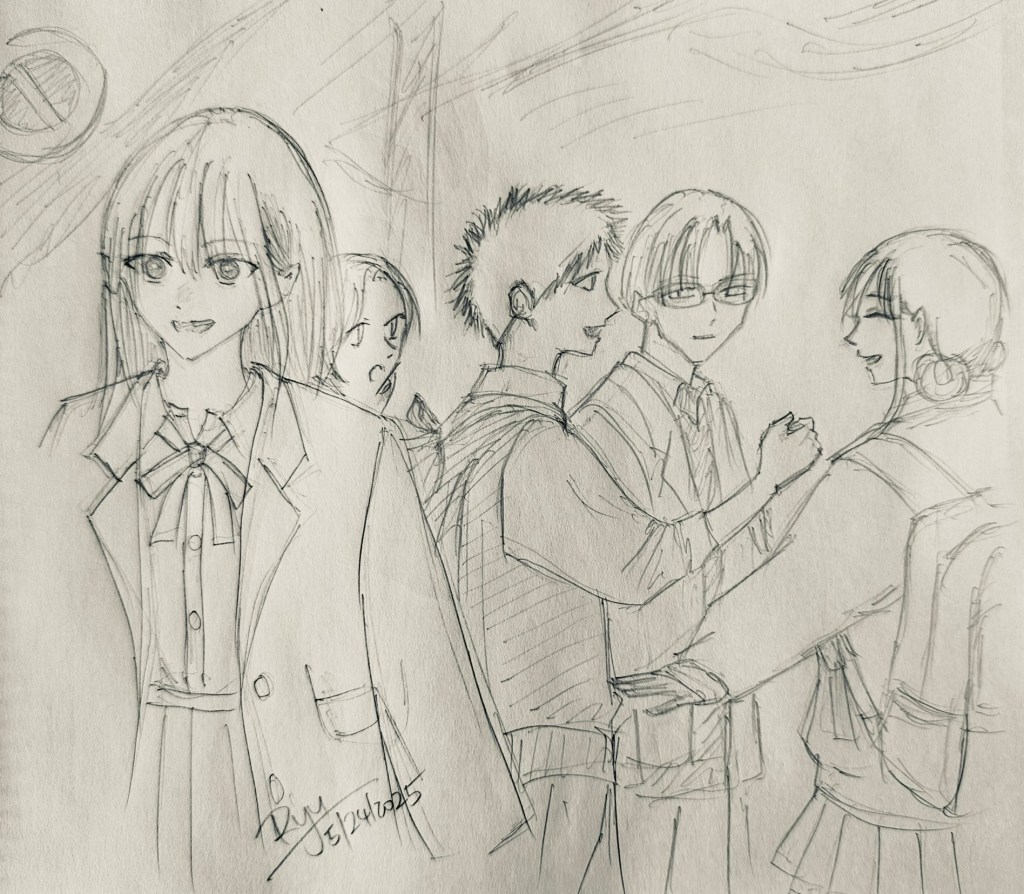
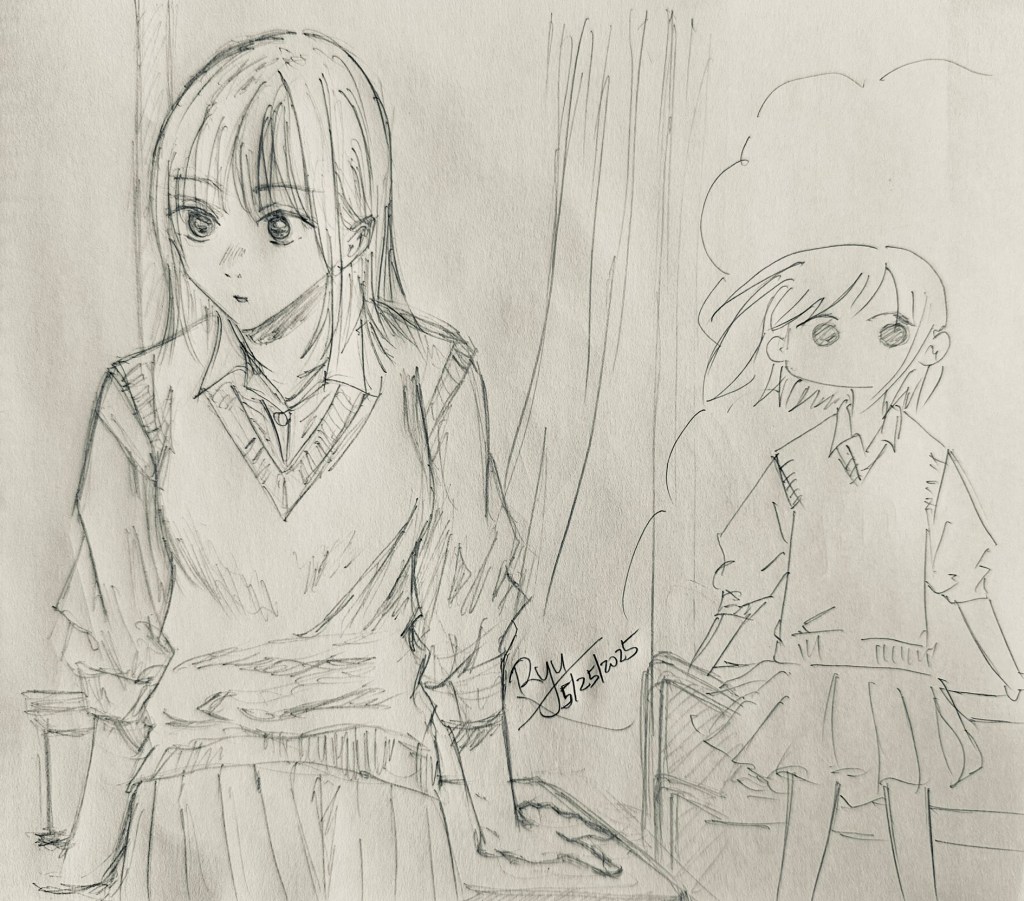
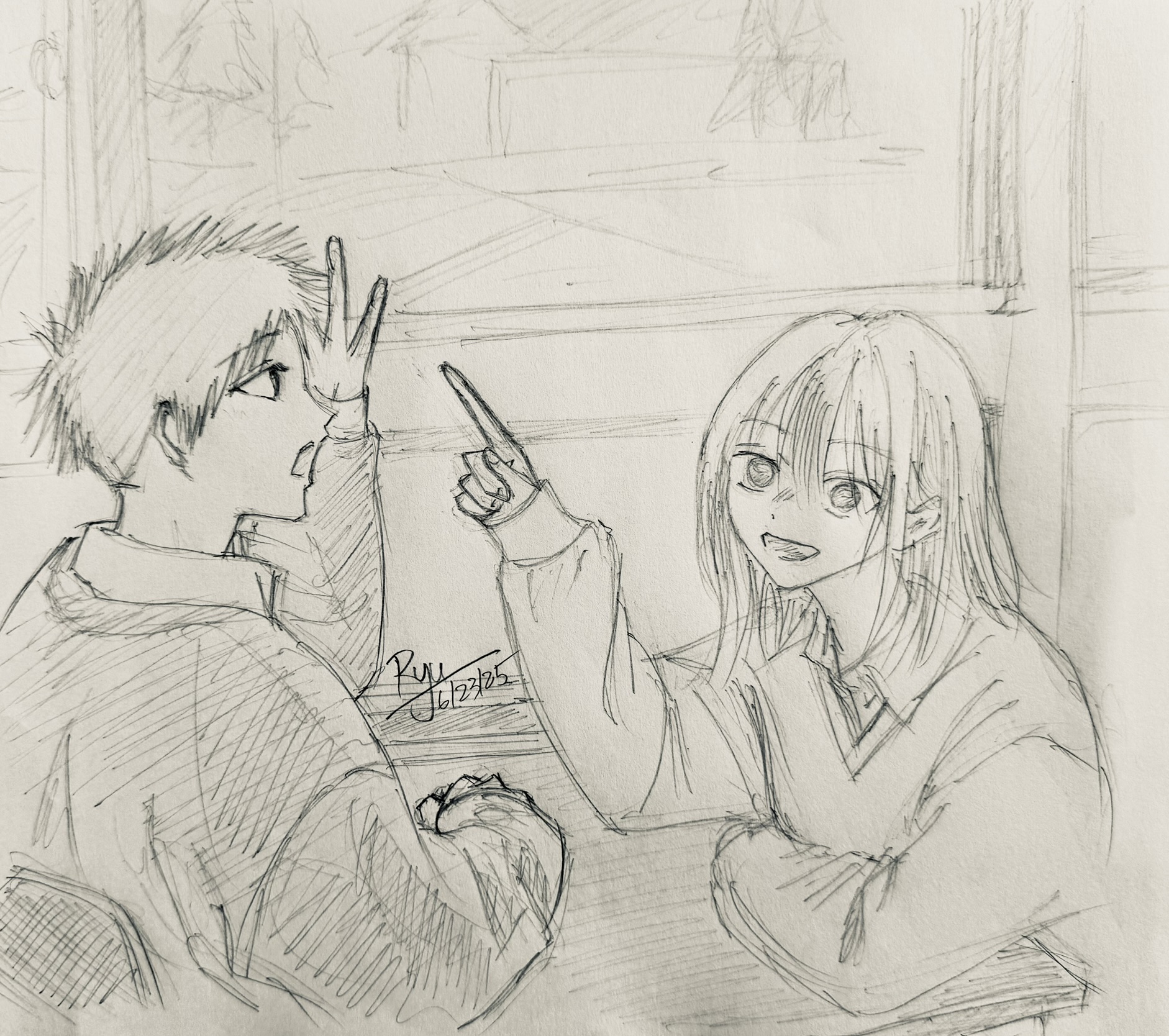
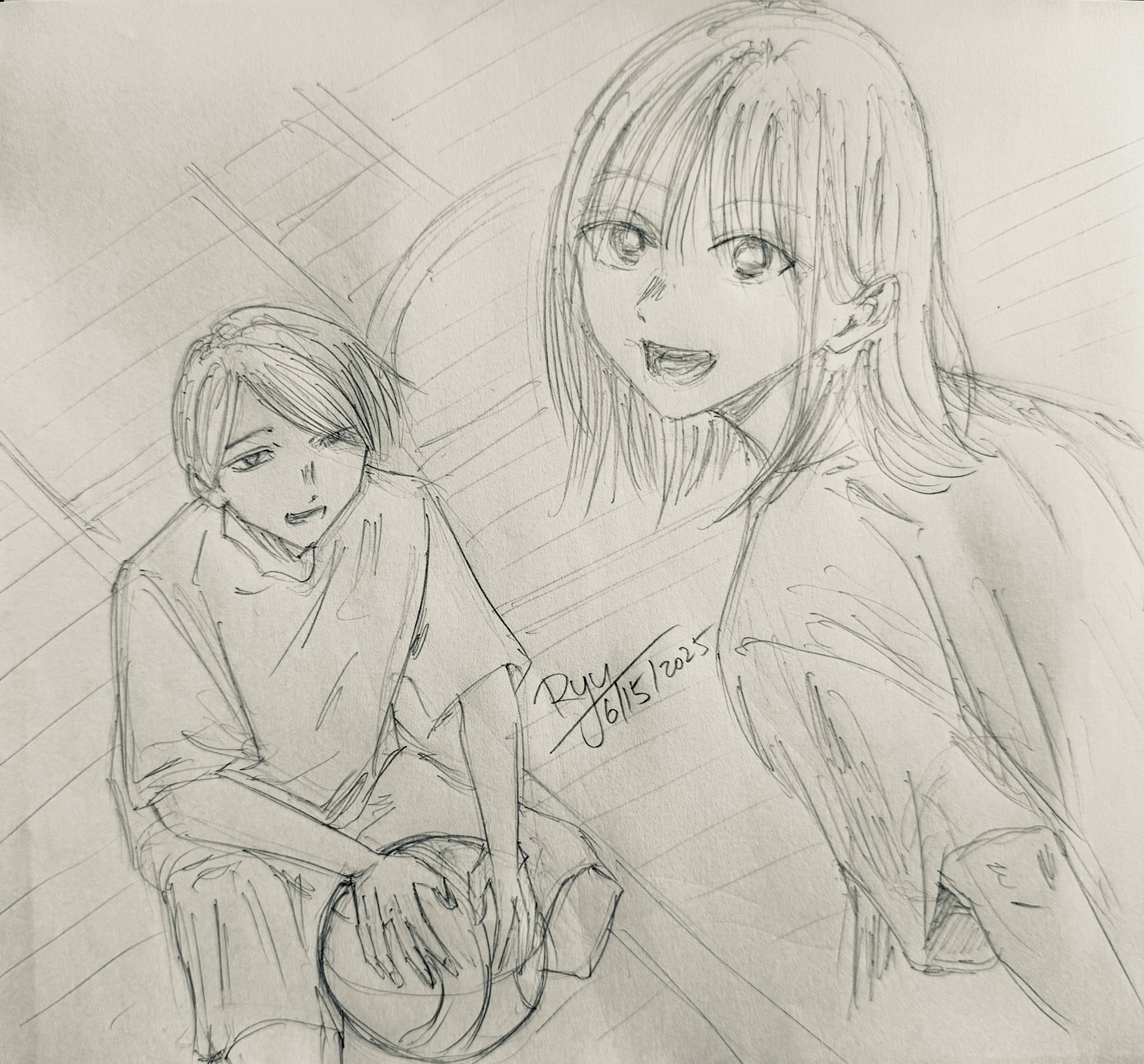
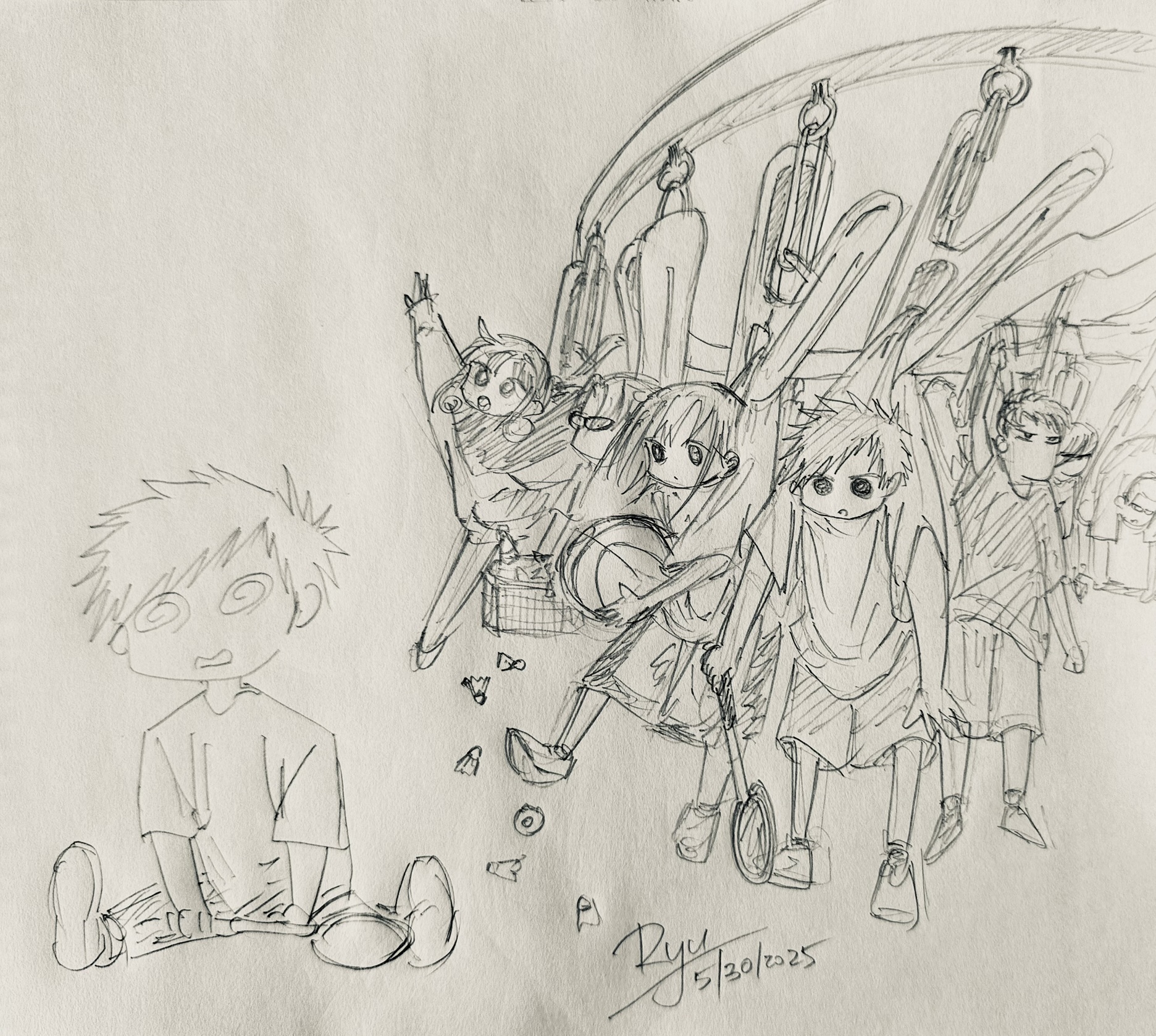
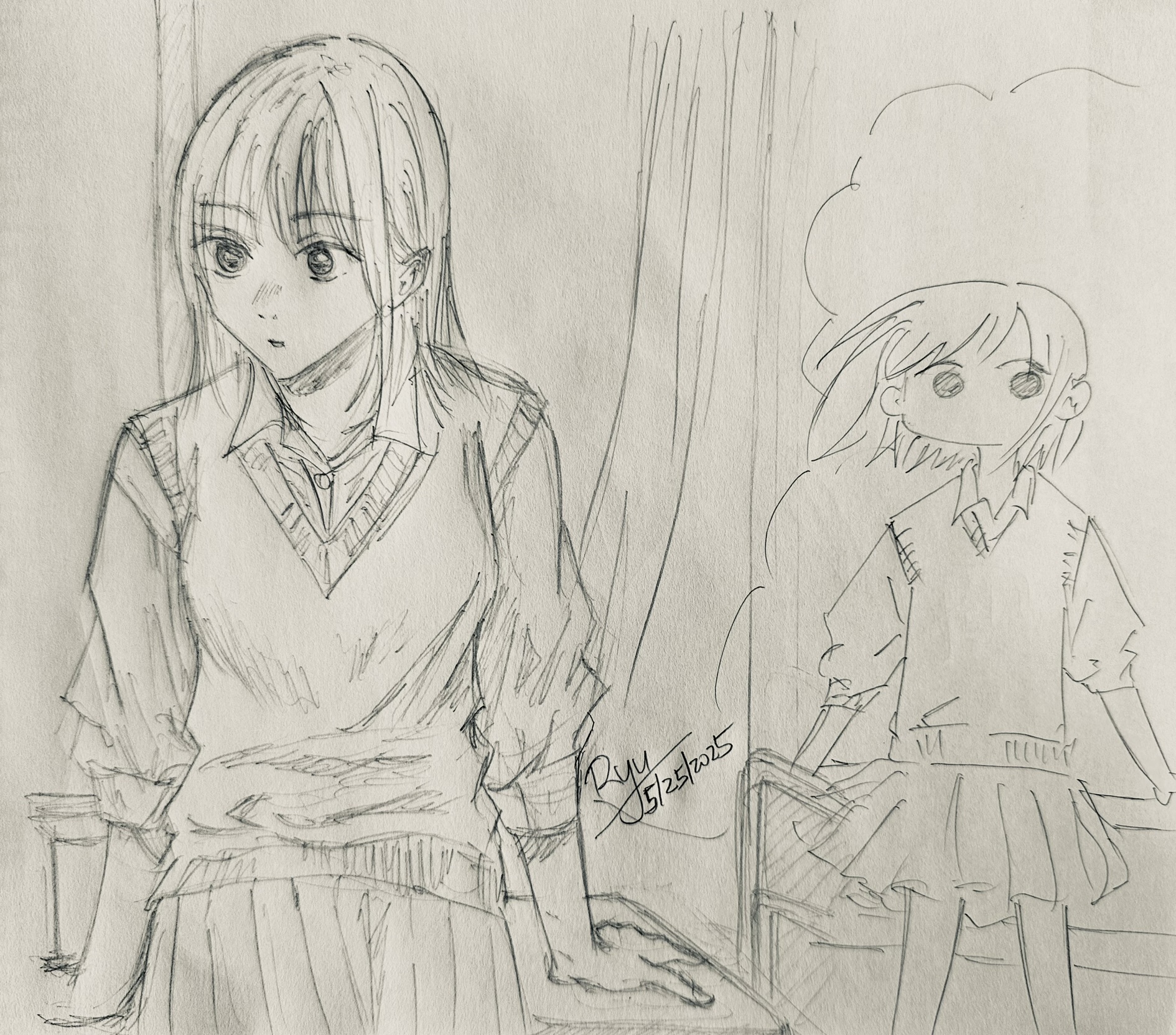
Karen: Everyone’s overthinking things. It’s nice to consider how the other person feels, but in the end, that’s just how the Chii in your head feels. Sometimes it’s important not to think about anything. Anyway, at this rate, you’ll be hitting the ball against the wall forever. Are you okay with that?
Taiki: I want a back-and-forth rally.
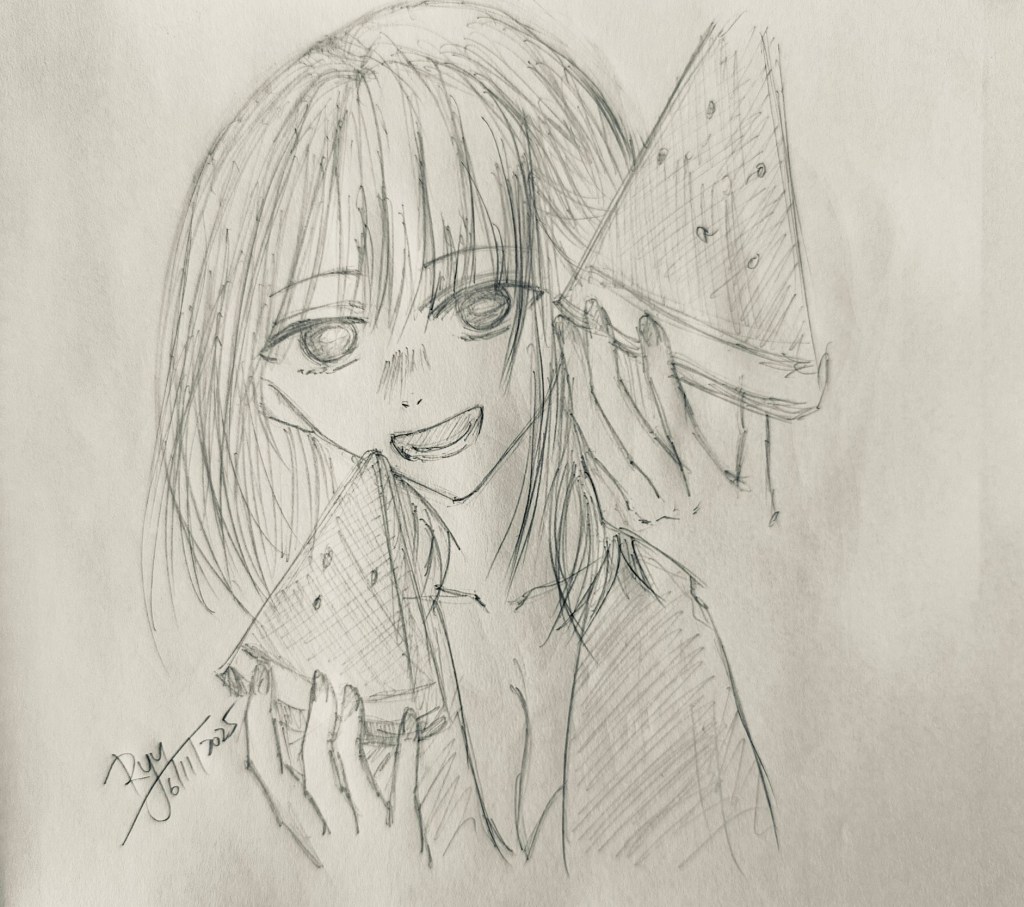

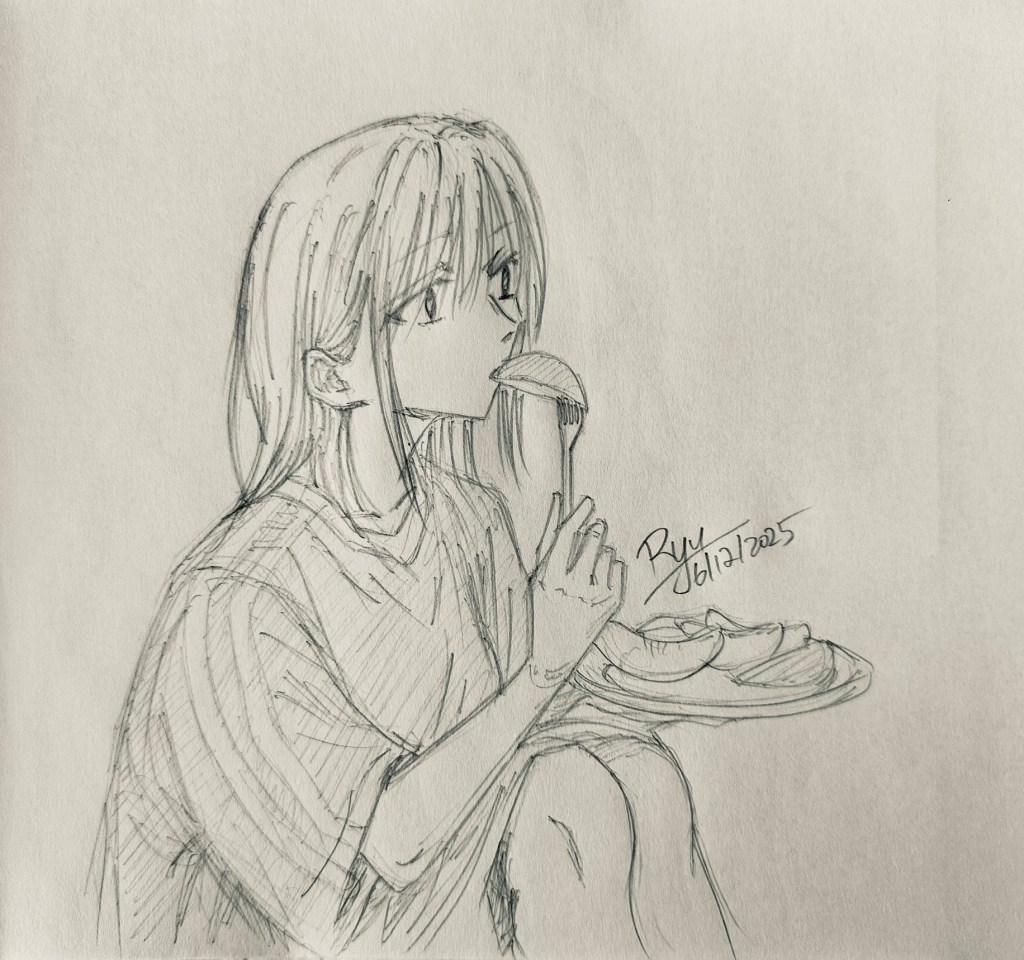
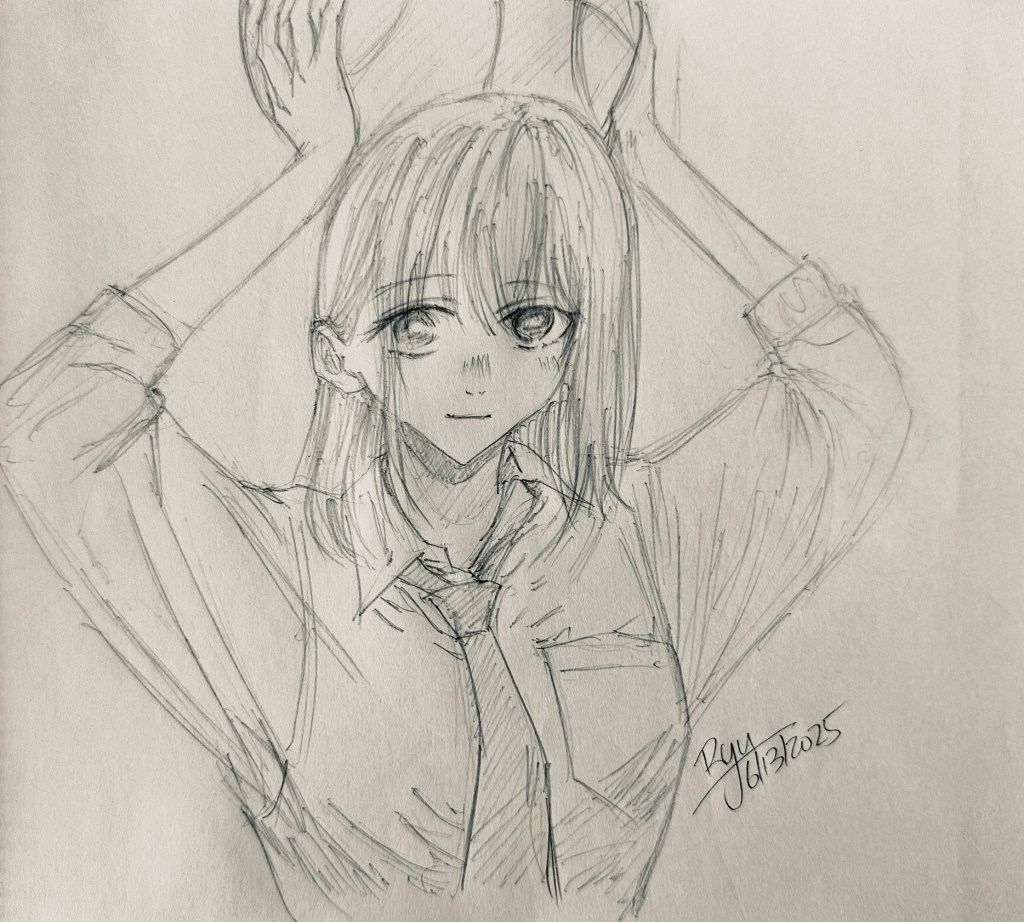
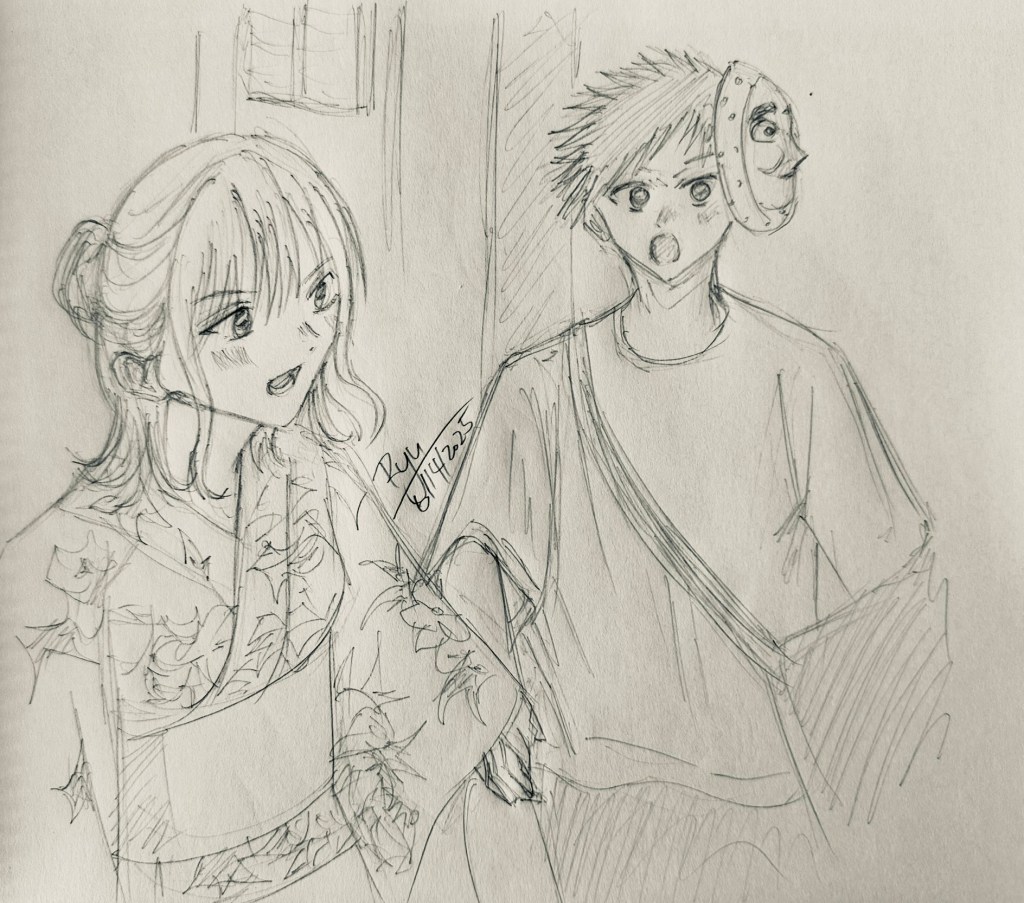
-
1st Kiss: A film about time travel, fate, and love. Does marriage change romance, or do we simply overlook what matters? As the movie suggests, we fall in love by discovering what we like in each other, but after marriage, we often dwell on faults and gradually grow distant. It’s a reminder to focus on what truly matters. With a bit of awareness, that focus can make the difference between a happy marriage and divorce. Here’s a review.
Last Song For You (久別重逢): Another time travel movie that changes the future through what you did in the past. Self doubt is common among artists. Persistent, or just stubborn? Should we make art for ourselves or for the world? The film suggests that having someone believe in you often helps sustain motivation. I haven’t watched a Cantonese movie in a long time. It’s nostalgic and reminds me of when Ekin Cheng starred in 古惑仔 (Young and Dangerous) and 風雲 (The Storm Riders). Here’s a review.
My Beloved Stranger: I like milet and have looked forward to her first movie. The story is somewhat predictable, but thanks to a movie like this, we don’t need a parallel universe to remind us of how often we take things for granted.
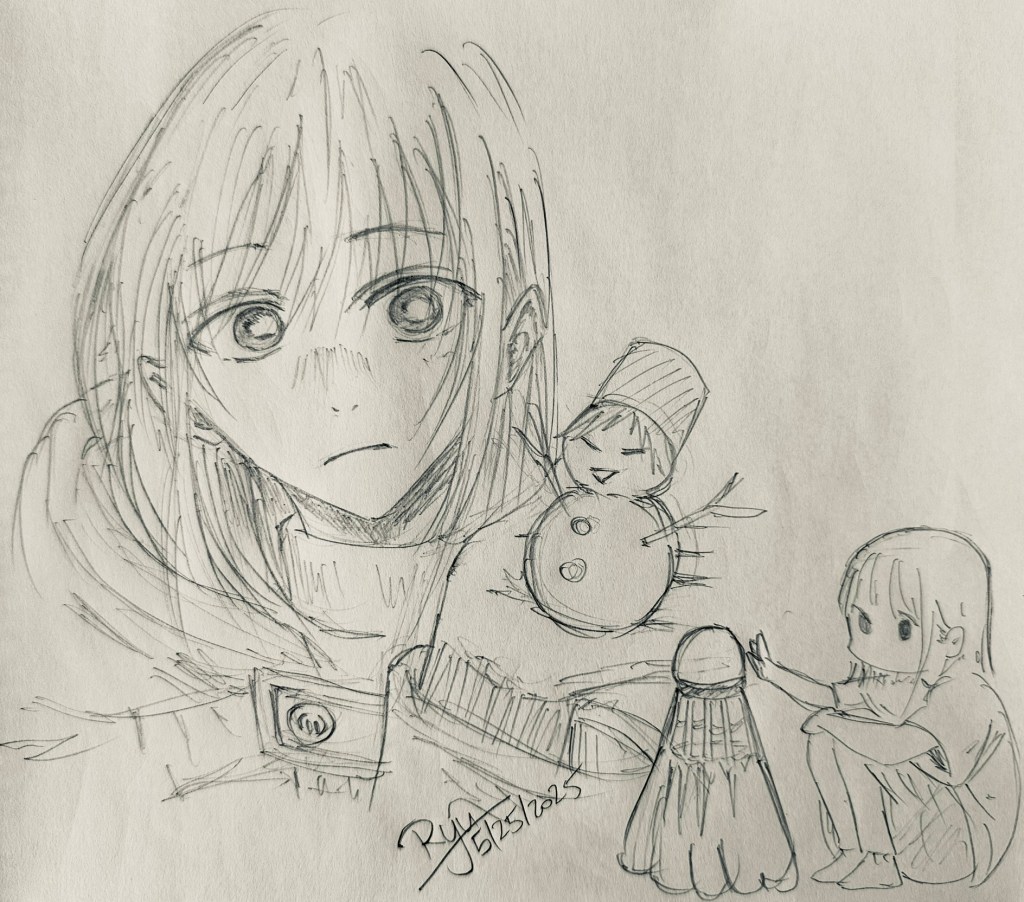
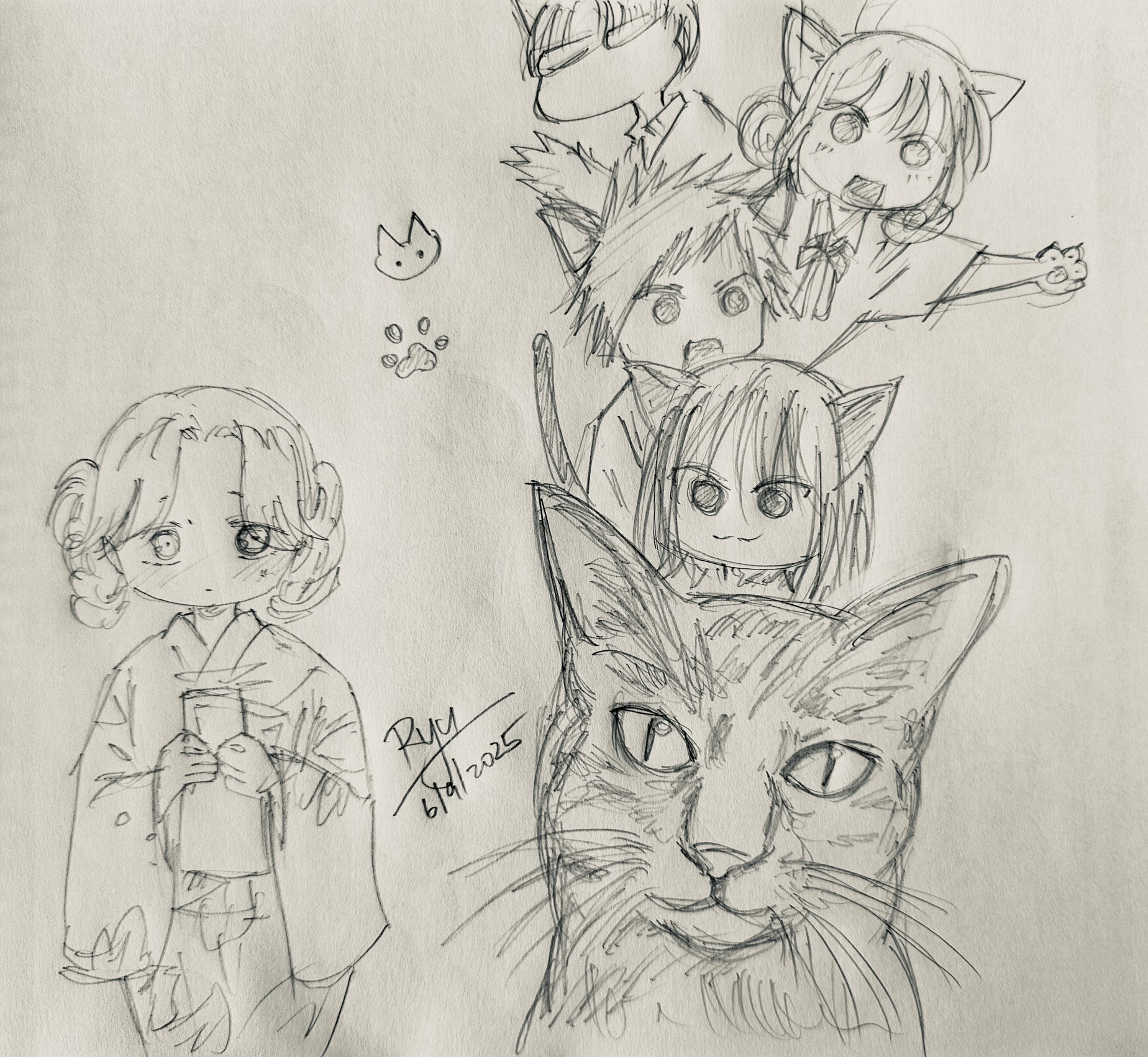
Takopi’s Original Sin: A dark yet imaginative take on how dysfunctional families can lead to bullying, a lack of empathy, or a desperate craving for validation. Kindness and good intentions (as embodied by Takopi) are good, but without an understanding of human nature and a moral compass, they can cause more harm. As one reviewer put it: “Takopi is about what it costs to care, especially when you don’t know how. It’s about the limits of kindness and the absurdity of innocence. The awful beauty of watching someone try, even as they fail, because trying is the only thing they know how to do.”
The Fragrant Flower Blooms with Dignity. Released around the same time, it offers a light refuge from Takopi’s heavier theme. It’s a pleasant shojo romance so far, but might feel escapist, with characters that seem too good to be true.
Marry My Husband (Japanese) and Glass Heart: Both star Satoh Takeru. Marry My Husband offers a more engaging story and character development. Glass Heart is for music fans, featuring songs by famous Japanese artists. While it has some nice moments, like the reconciliation between Naoki and his brother, the characters and story are less compelling. Here’s a review.
-
Two voices as equal partners, each introduces and develops the main motif in an energetic, sparkling manner.
-
“To be honest, I was scared to play you. Pathetic, right? I never managed to beat Hyodo. Then he just up and retired. Then I lost to Yusa, a first-year even though it was just a practice match. If I lost to you too, even I’d lose confidence. Well, I won in the end. I’m glad I played you. it’d be more pathetic if I kept running away. Being scared to lose, having your fragile sense of pride stomped on…You gotta take that all in, grit your teeth, swallow it down, and crawl forward. That’s what I think true strength is.” – Haryu
-
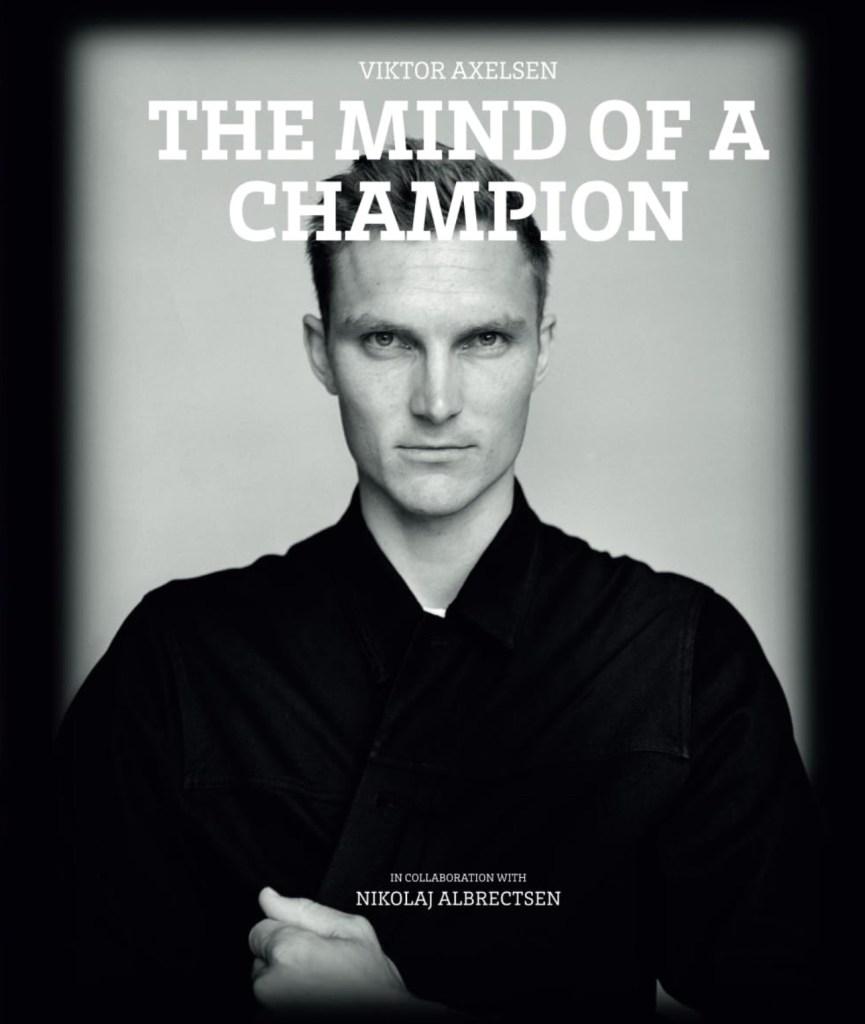
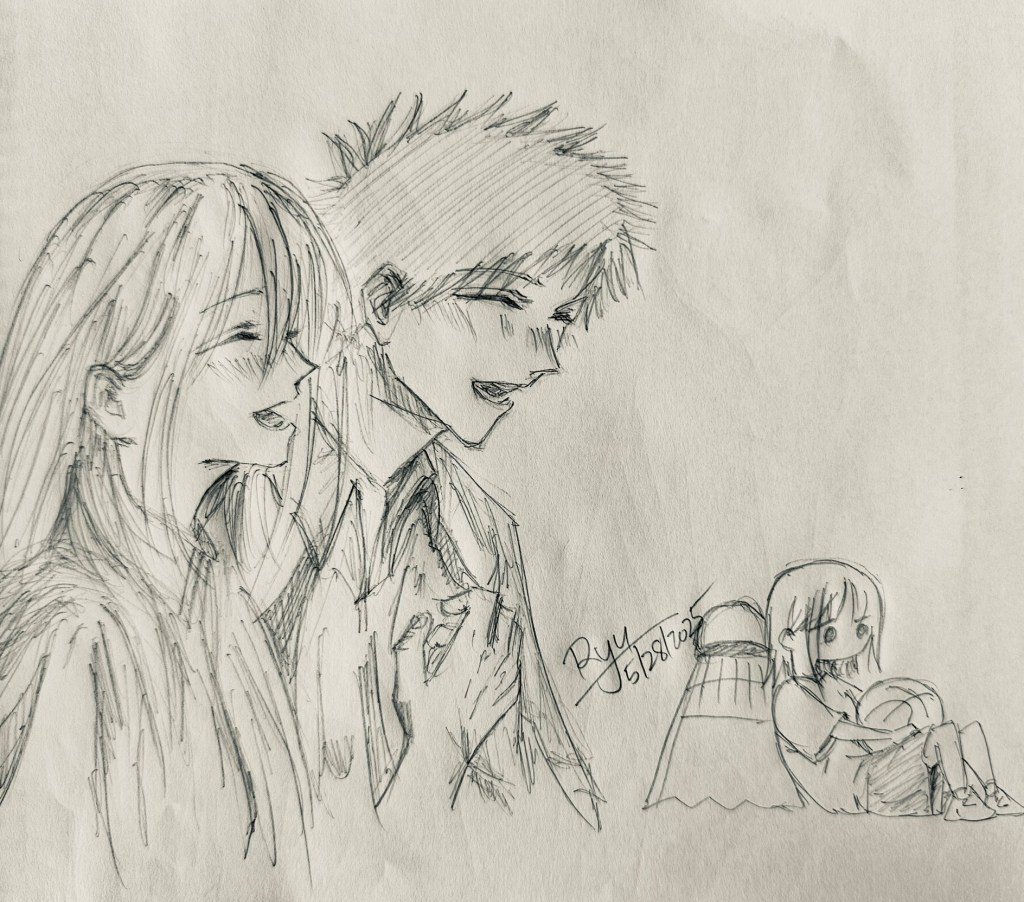
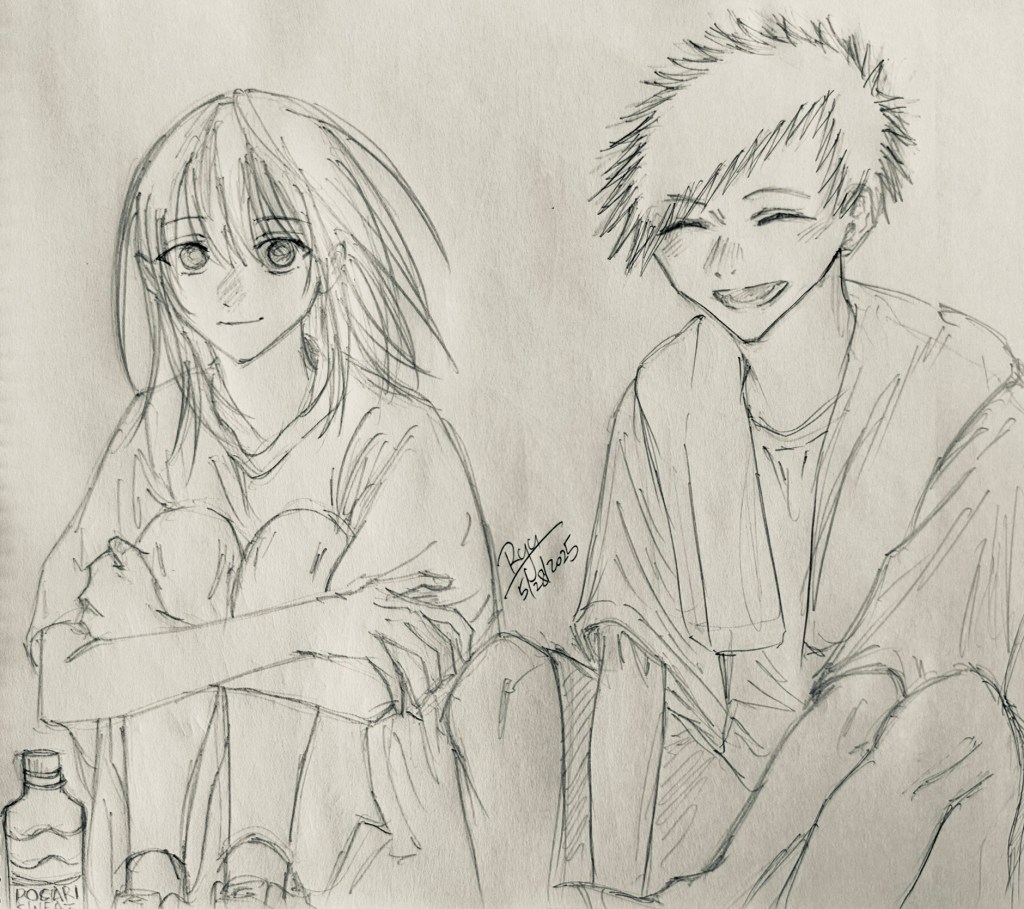
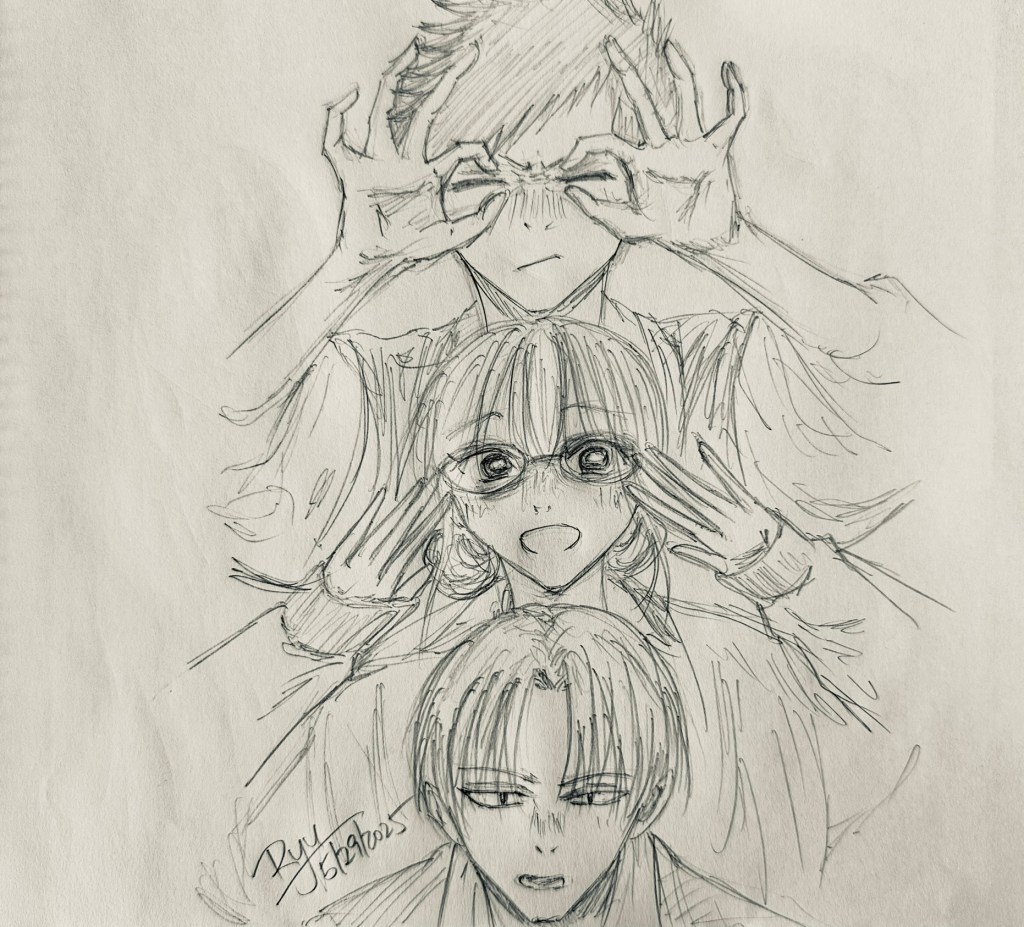
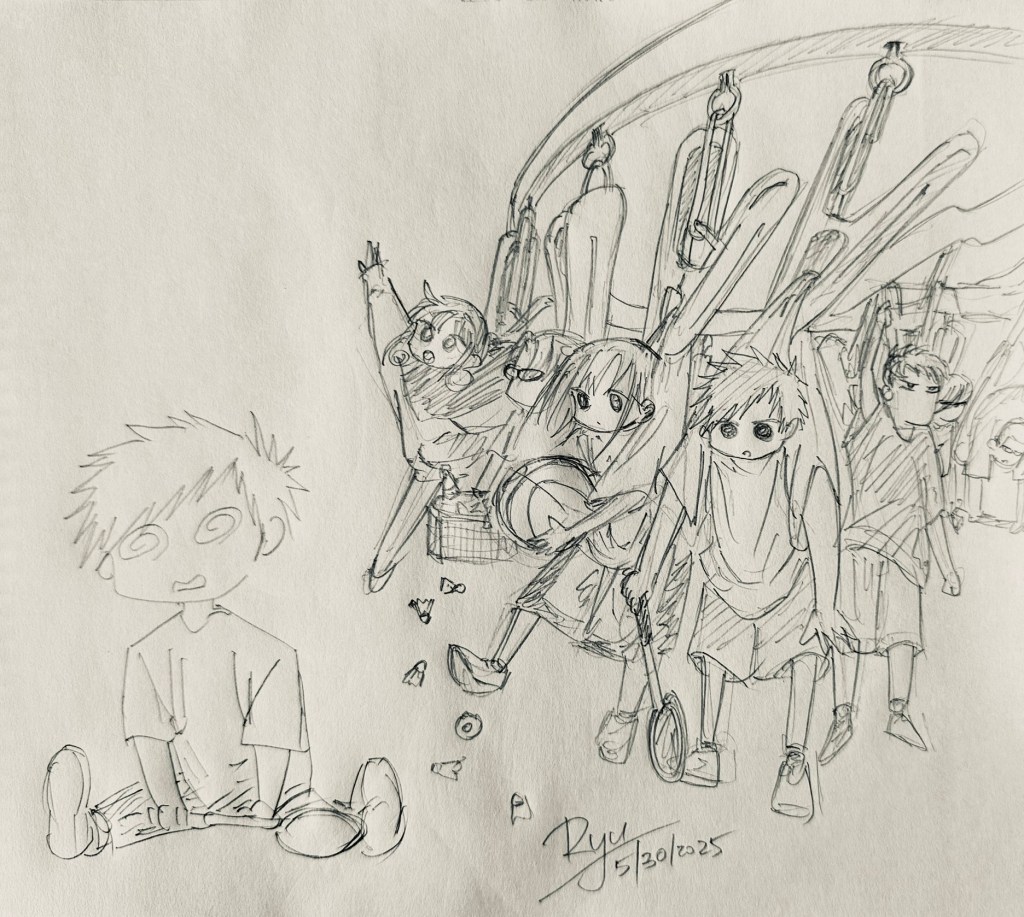
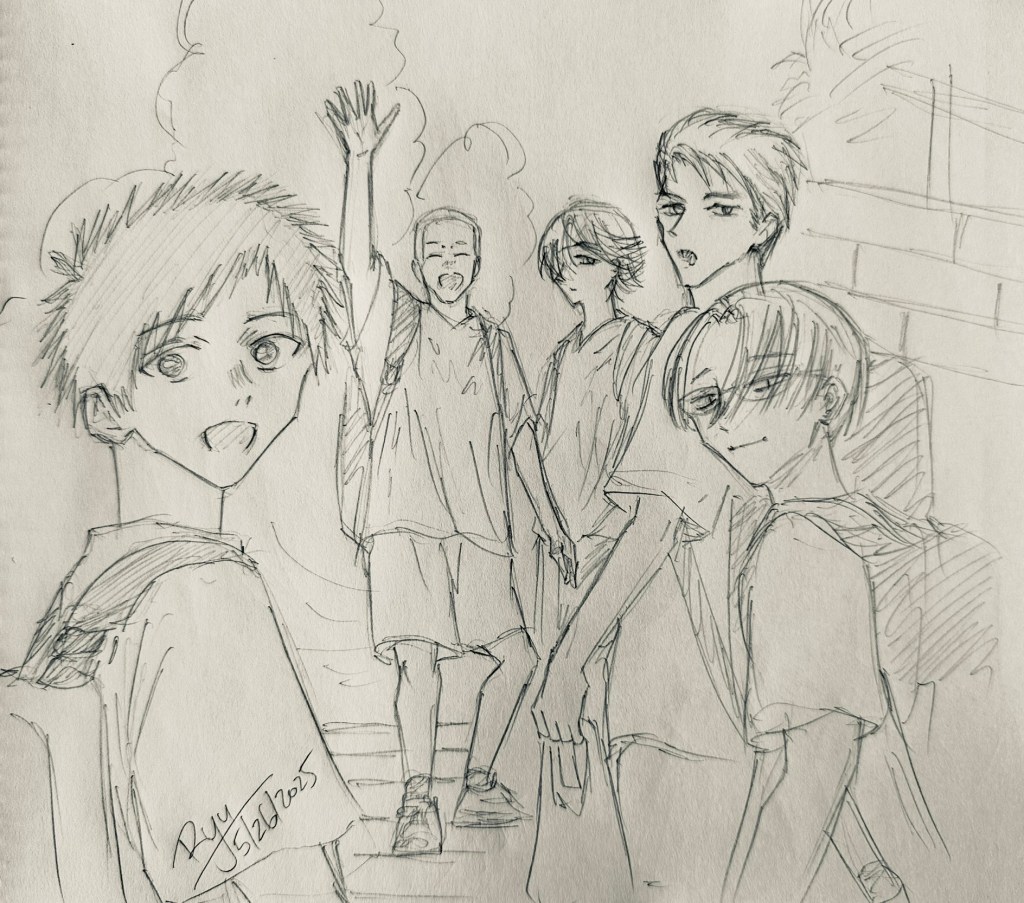
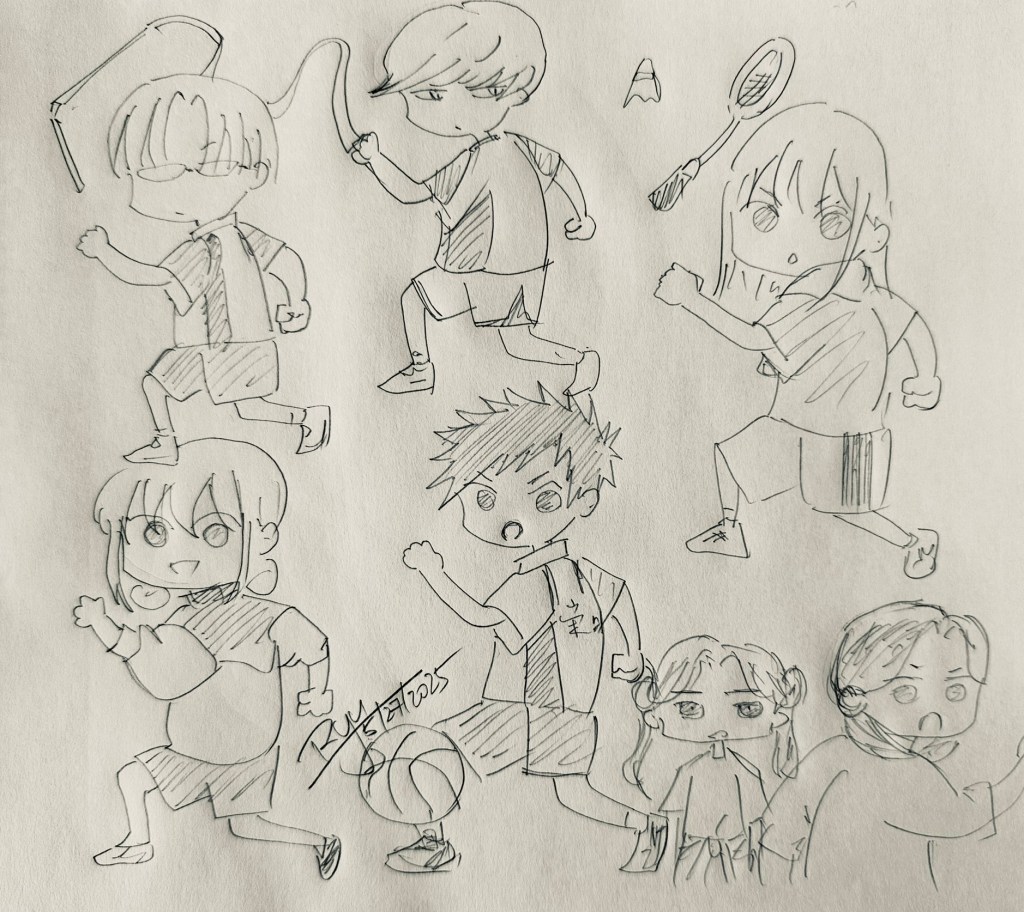
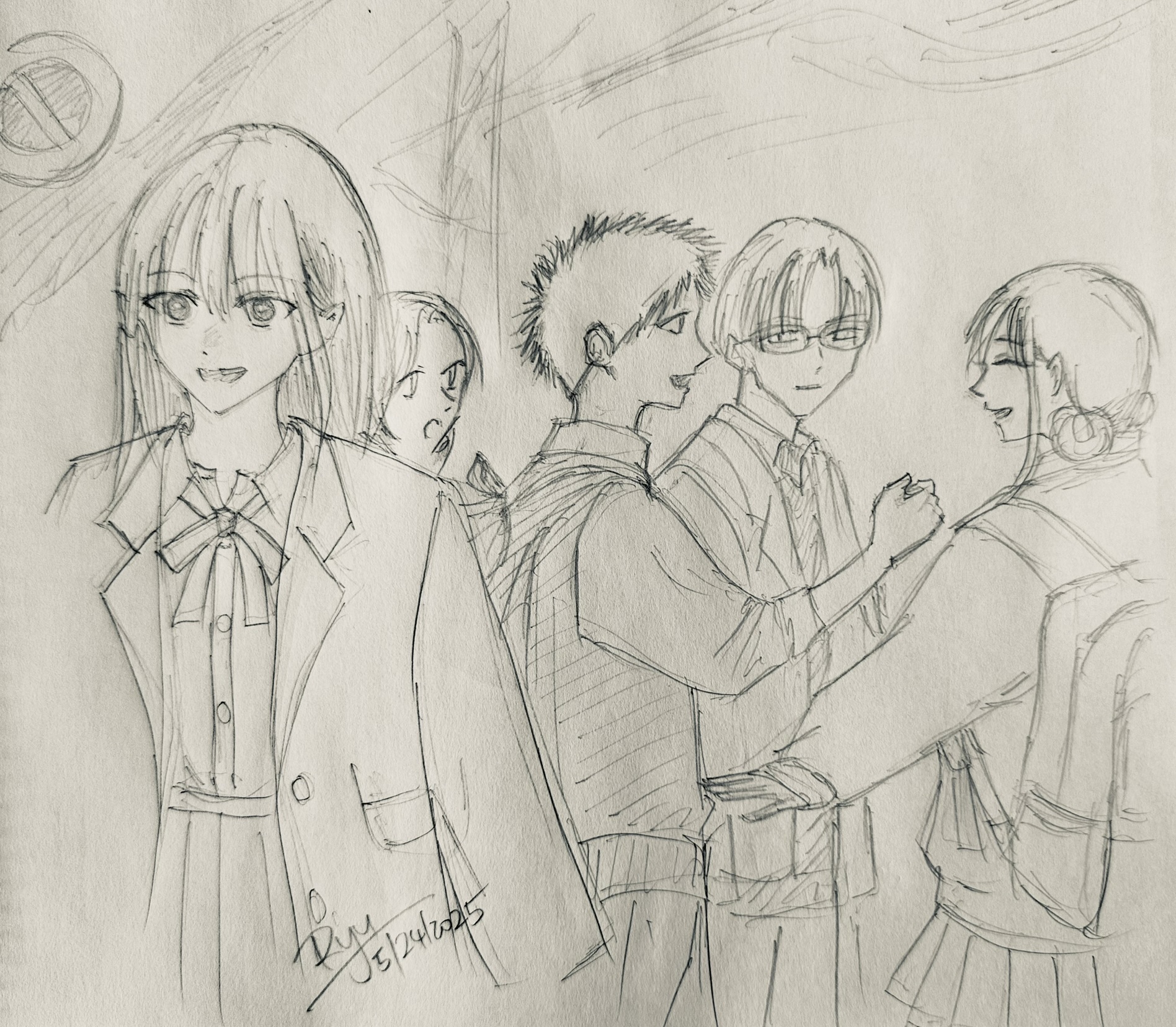
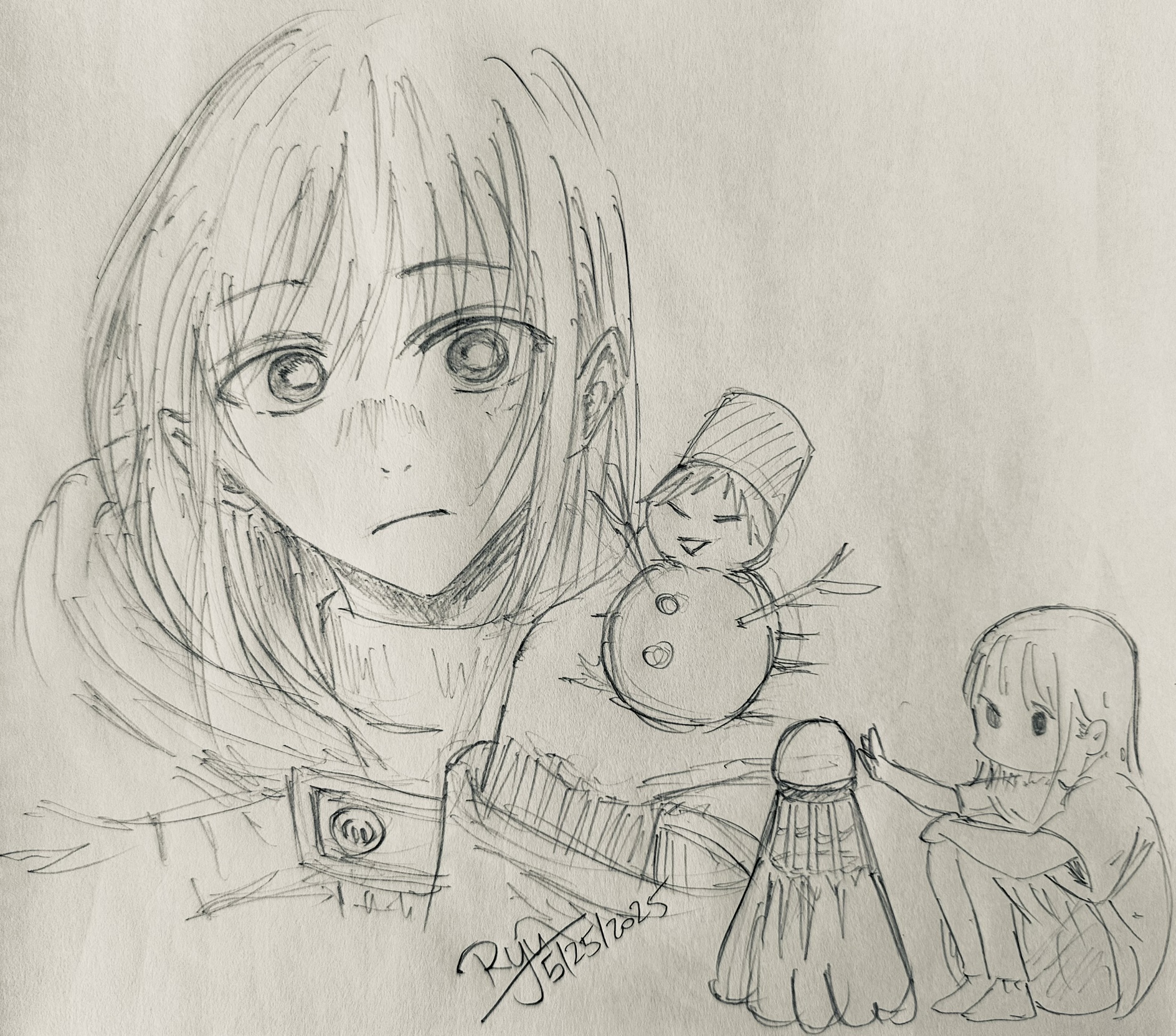
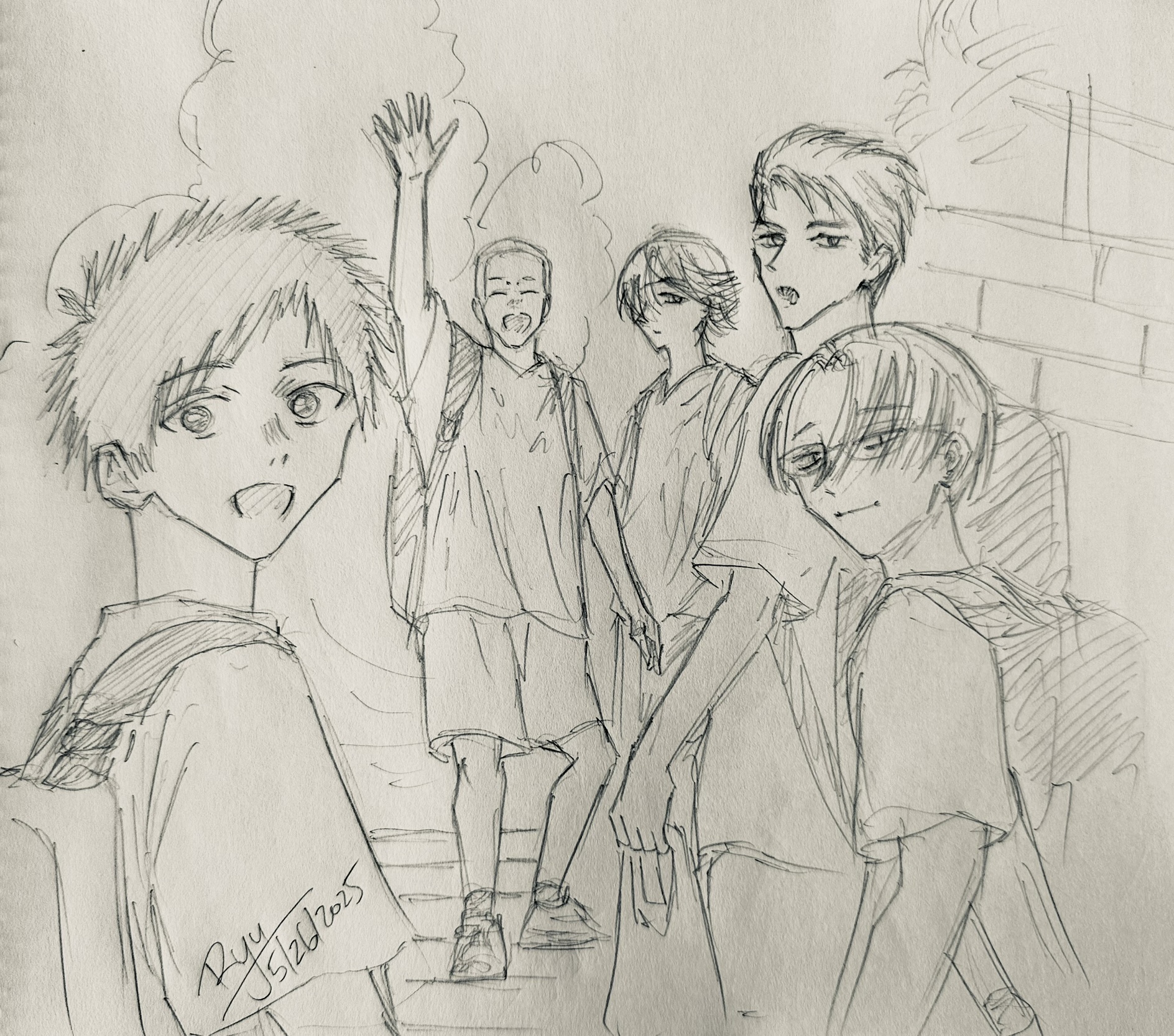
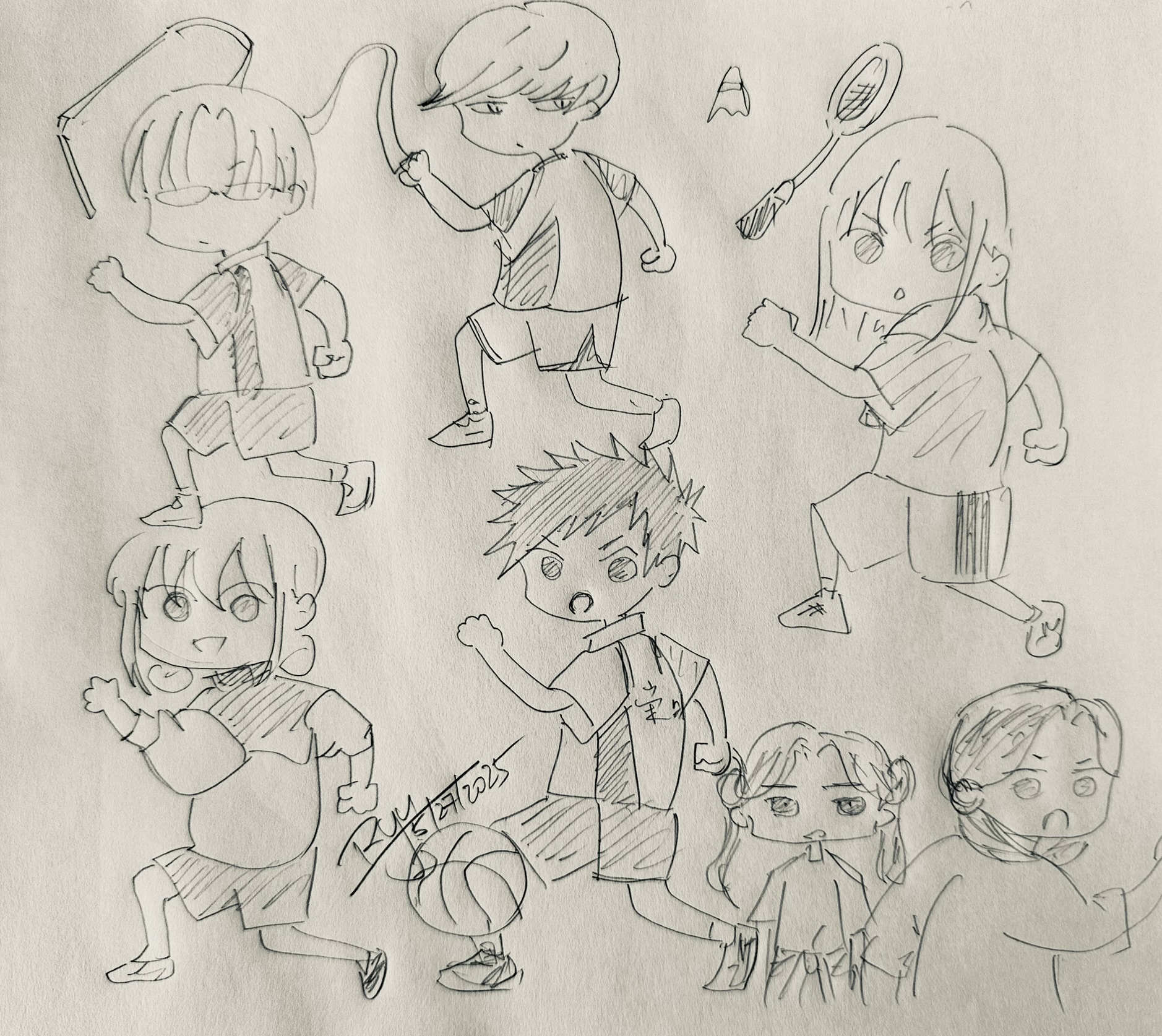
I started learning badminton recently, partly inspired by the Blue Box anime and partly because I think it’s a hobby I can enjoy into old age with family and friends. It’s also a sport in which many Asians excel. Whether it’s singles, doubles, or mixed, it’s easy to find players to root for. But as I wrote before, I much prefer being a participant over a spectator, and I feel I have room for one more sport.
Lately, I’ve been watching more badminton videos and just finished reading The Mind of a Champion by Viktor Axelson. Interestingly, both Viktor and Taiki share a similar reason for loving the sport. [Viktor:]”I liked that I was master of my own destiny, that the outcome would be decided by my performance on court. It was up to me and only me.” Badminton seems like a perfect fit for someone who values agency.
Excerpts:
Is it your thoughts that are telling you that you can’t continue? Or is it in fact your body saying stop?
“Be nice to the people you pass on your way up because you’ll pass them again on your way down”. In other words, it’s okay to be all in, to show both frustration and celebrate success on court – of course while being respective to my opponent. But off court, a more humble or low-key attitude was the way to go.
I find it helpful to remind myself that 20 or 40 years from now, no one will recall who wrote what on social media. That thought forces me to stay rational when I read or hear something about myself. At the end of the day, it’s not important.
It is those kinds of negative thoughts I have worked on eliminating, and I think I succeeded at a young age because I was raised in the belief that envy doesn’t do anything good for you.
It made me realise that when I was struggling being happy about the success of my competitors, it was human nature. They are universal thoughts, but I could practice and learn how to handle them when they appeared. So, I would practice feeling happy if my fellow players were successful. And it actually felt energising. Today it has become an integral part of who I am.
Had I been able to give 17-year-old Viktor a piece of advice, I would have said to him: “Stand by yourself and your choices. Listen to what people say, but never let yourself be limited by others.” To reach high performance is about courage. Most people are so focused on fitting in that they forget that if they do like others, they will be like one of many others. I would tell myself to own up to being different and experimental.
Regardless of which limitations other people see in you, never let the opinion of others get in the way of chasing your dream.
Seek inspiration from others even if they have a different background or come from a different culture than yours. Find your own unique path or approach.
For me there is not one right way: There are many paths to greatness.
Depending on how the match evolved, I would have to adapt, see myself from the outside and be able to tell myself to change the tactics. “Be kind to yourself when you make mistakes.” “Stay calm and be patient in the duels.”
He said: “Let’s focus on what we can do from here. And not let what has already happened ruin the day”.
If there is something nagging you off the court, it can affect your physical state. If you have a negative focus on court or even before your match, there is a risk that you will make more or bigger mistakes on the court. Simply because you are “pre-programmed” to think negative thoughts. I assume this phenomenon is not isolated to neither badminton nor sports, but could also have an impact on your life and career.
Here it is helpful that my overall goal is not to achieve certain results, but to become as good as I possibly can. To achieve my full potential.
Is this how I am chasing my full potential? I know it’s an abstract goal. I know that no one knows what the result will be. I don’t even have the answer to that myself. It works for me because I have a series of sub-goals. They are measurable and evaluated as honestly as the rest of my life.
People should not be measured by their mistakes, but by what they do to correct them.
Having the right mindset is not something you learn once and that’s it. B.S. and I talk about how I can never become complacent because I win. “It’s about keeping your room clean,” as he says. This means I must use exactly the same tools, even if I feel good. It forces me to think about why things are going well. I must consistently evaluate my development – even when I am progressing.
We should never fear losing, but fear not learning from our losses.
Getting better requires you to try things that mean you fall a little short or risk doing so in the moment.
What if I could decide how much and when I wanted to practice? What if my need for optimisation could finally be satisfied? What if my potential would never face a single limitation? What if the optimal conditions actually existed? What if it was entirely up to me, and I never had to settle for anything less than perfect? That’s my best answer to the question: to chase the optimal conditions for my development.
If I don’t eat right, I can’t last the distance in my sport. So, when I optimise on all parameters, it’s both about pushing and taking care of my body. That’s why food is a tool to help my body perform. It might sound harsh, but I don’t eat for pleasure. I eat what is optimal for me and I am very strict about my diet. I am always very aware of what and when I eat.
-
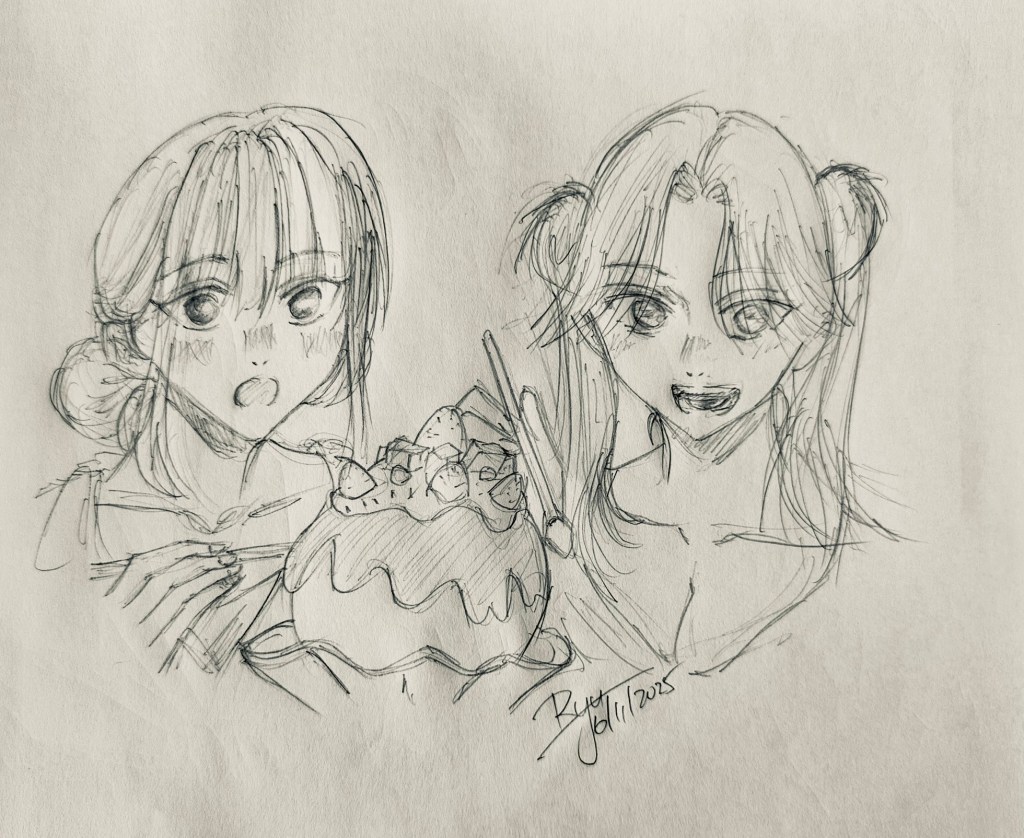
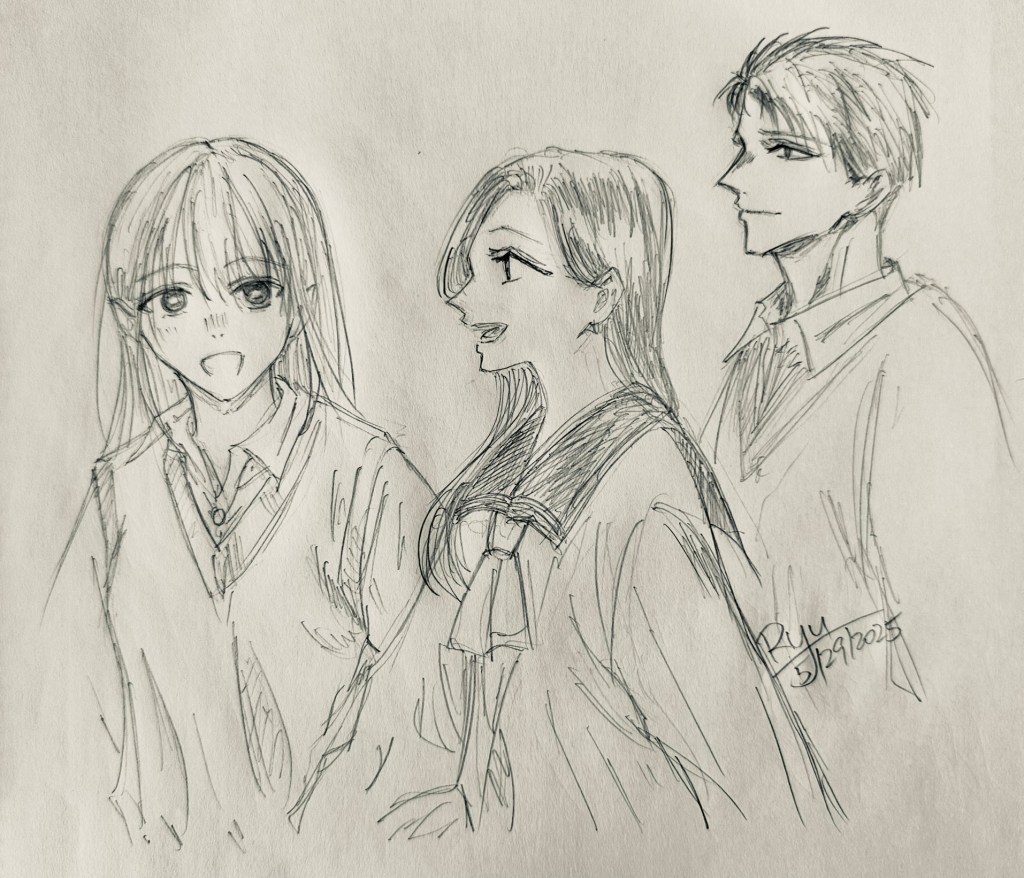
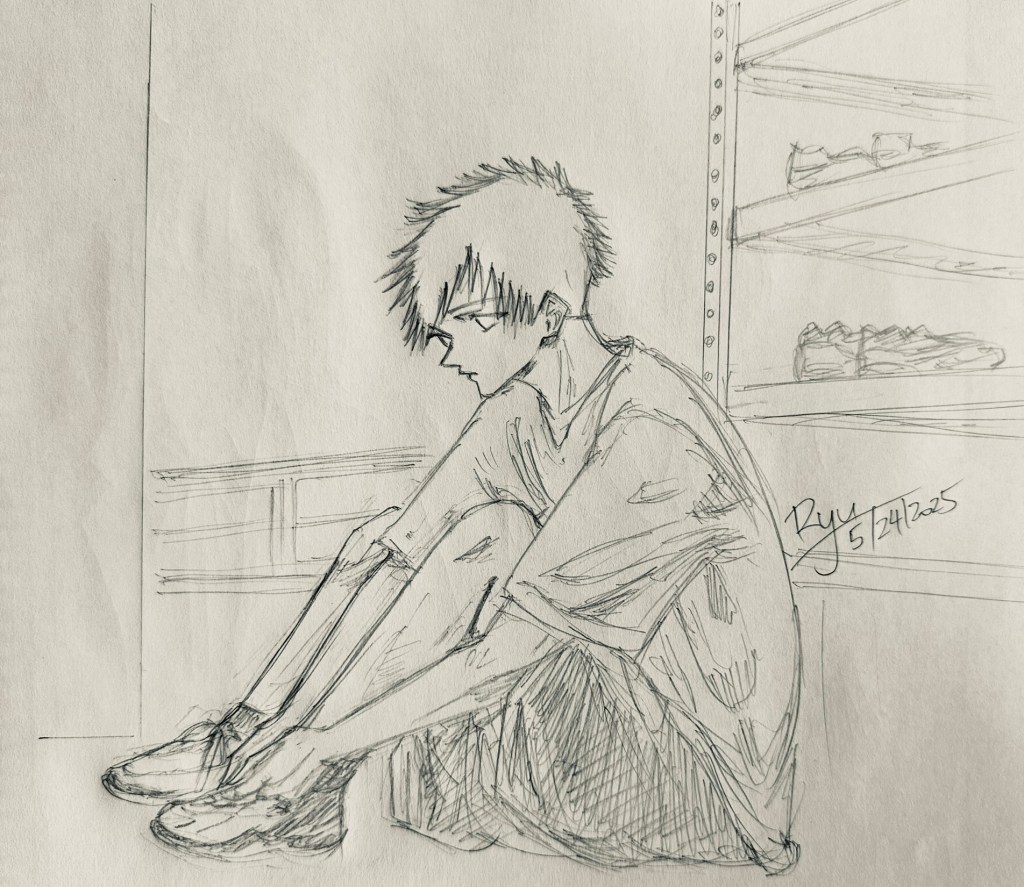
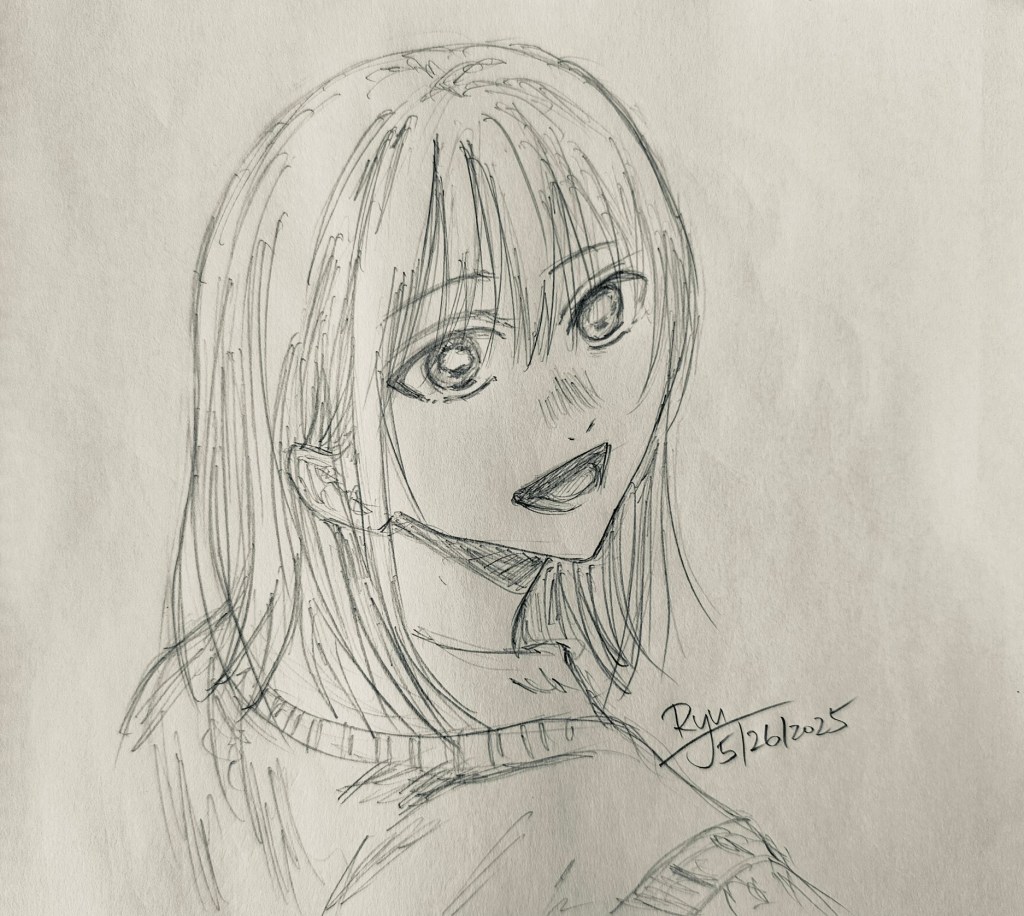
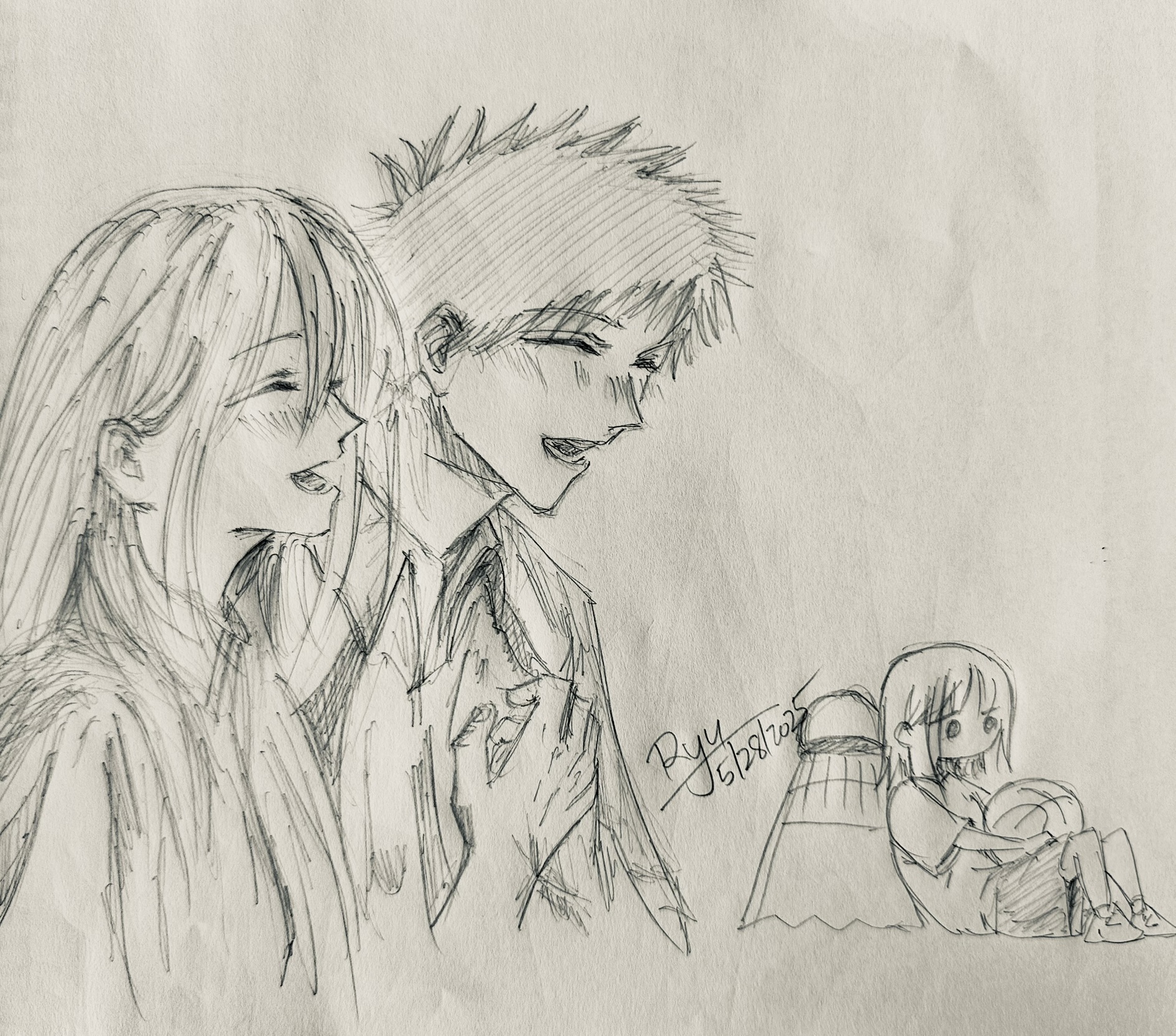
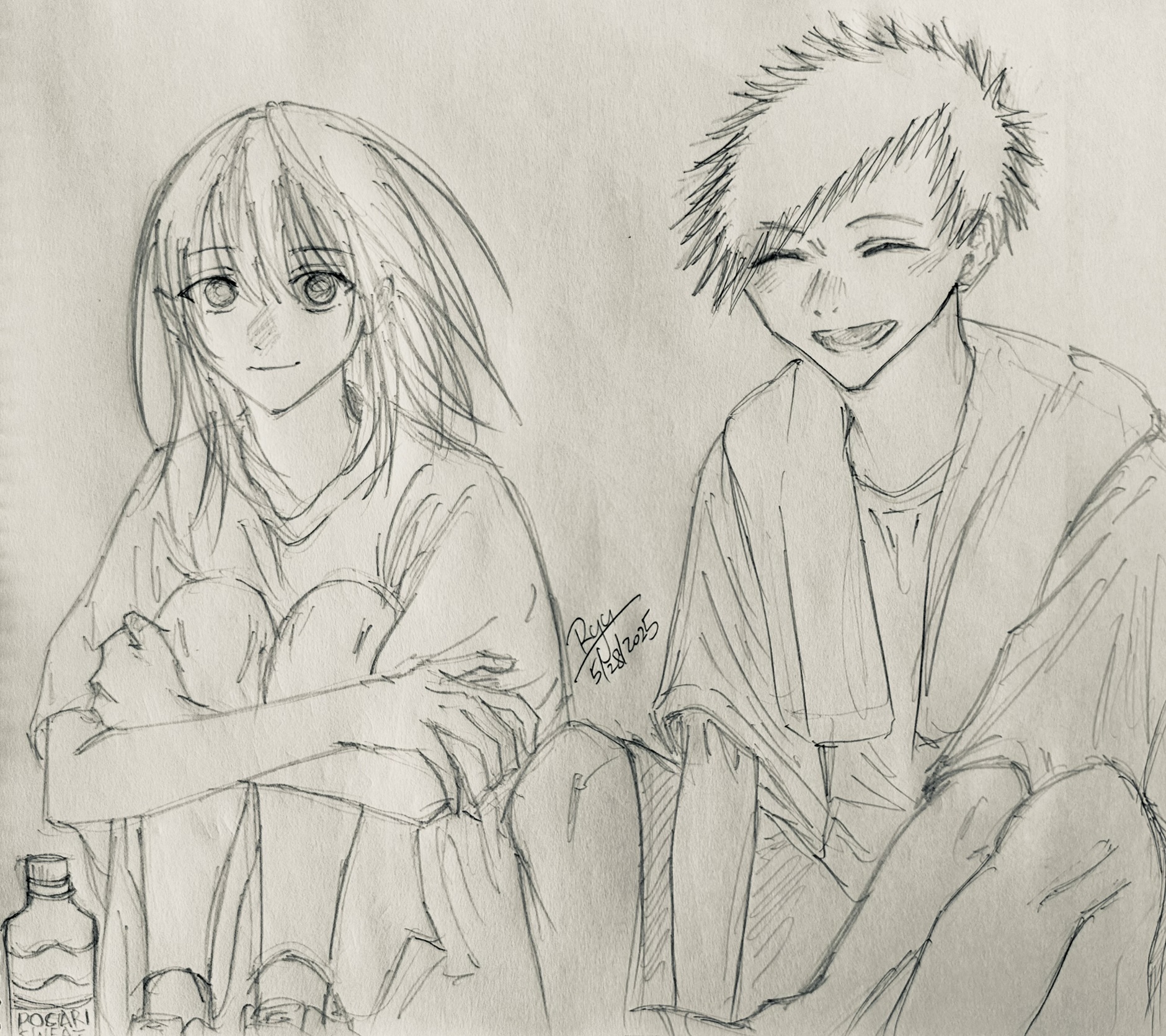
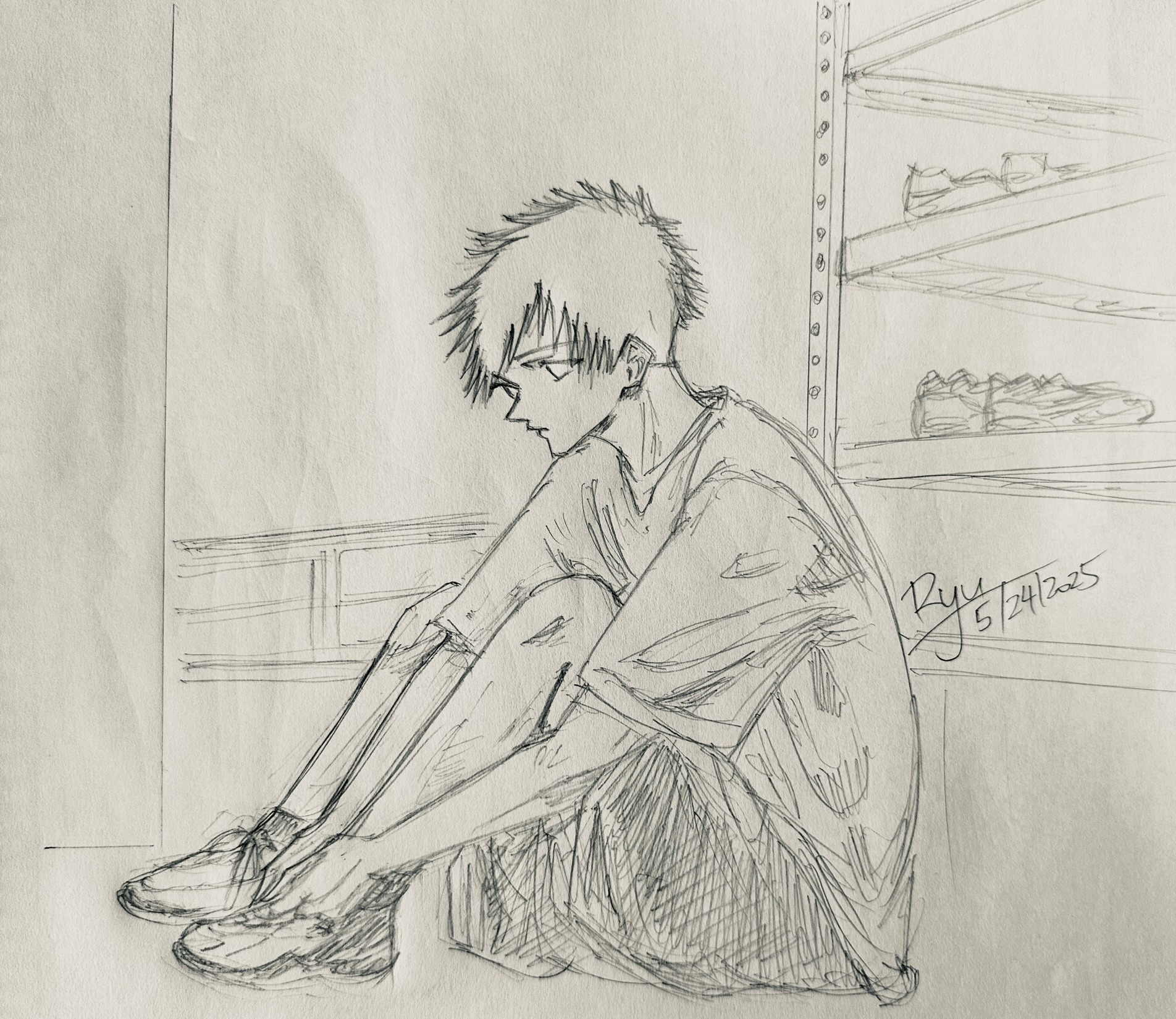
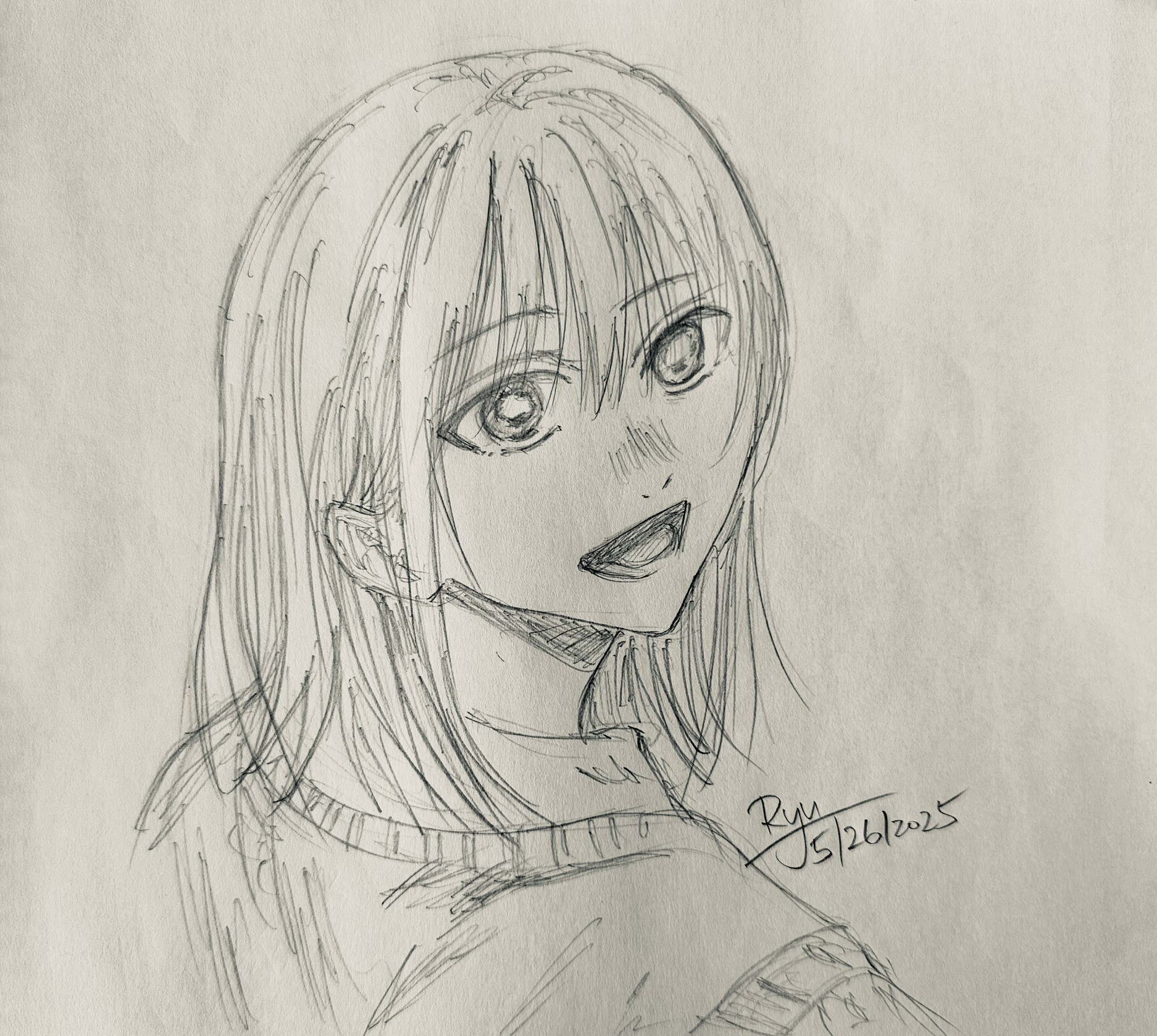
“I know that I have a lot of things I need to think about. But the more I think about them, the less I am sure that they’re my own thoughts…But I think “love” feels more intuitive than that…It’s because I admire her that I want to be beside her” – Taiki thinking

 Ryu's Blog