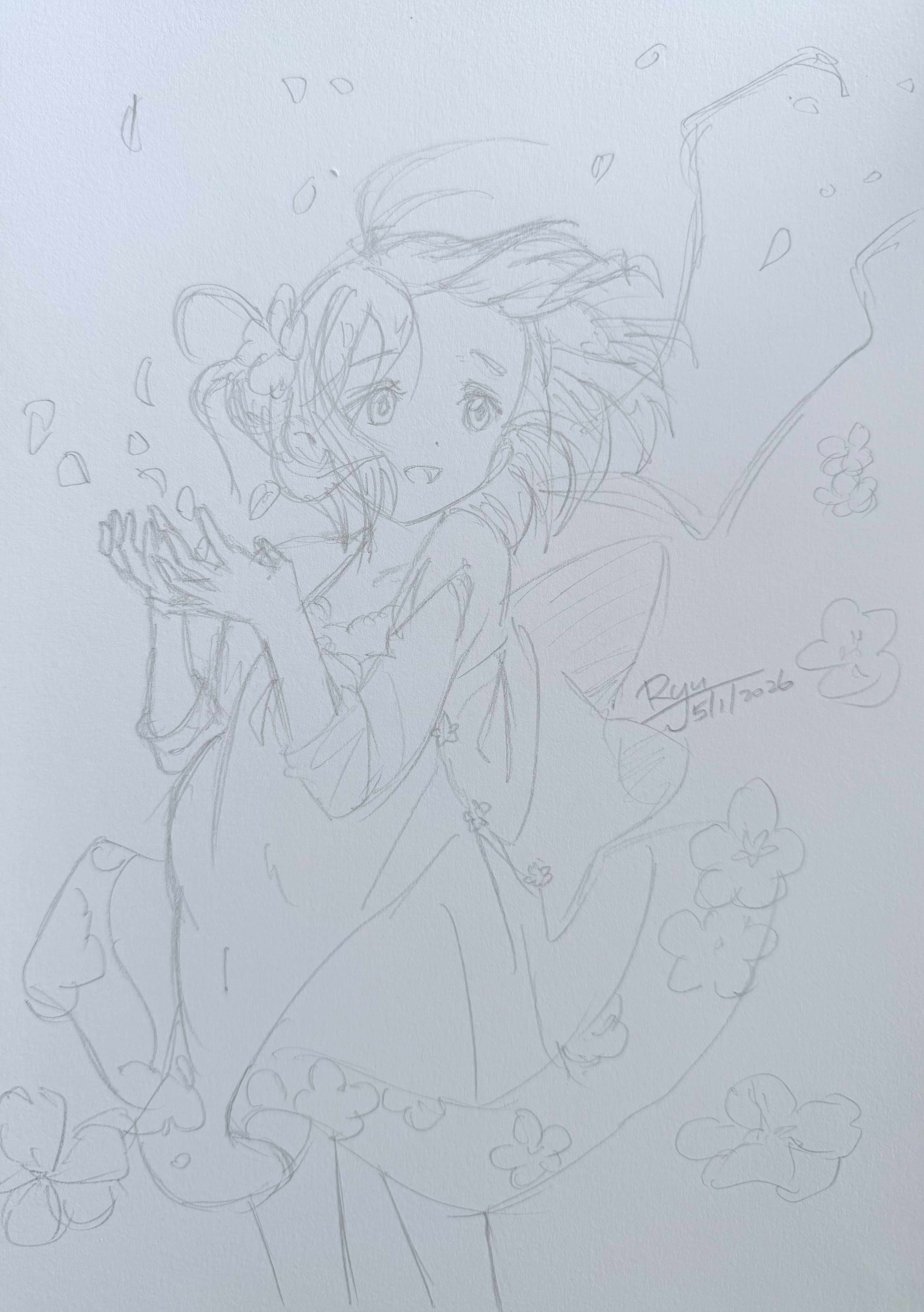
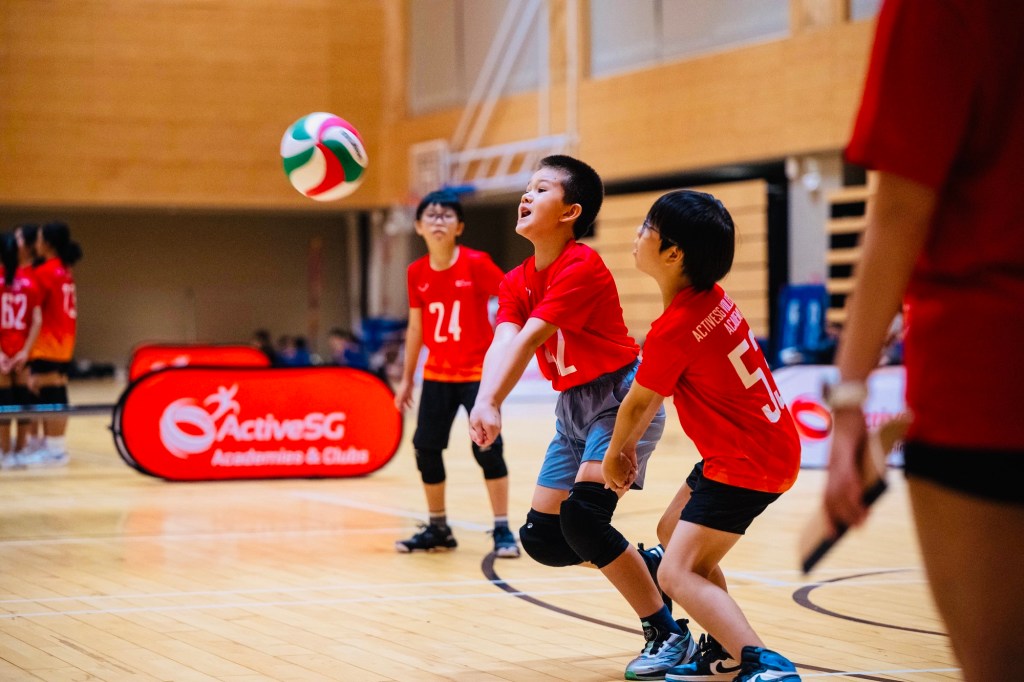
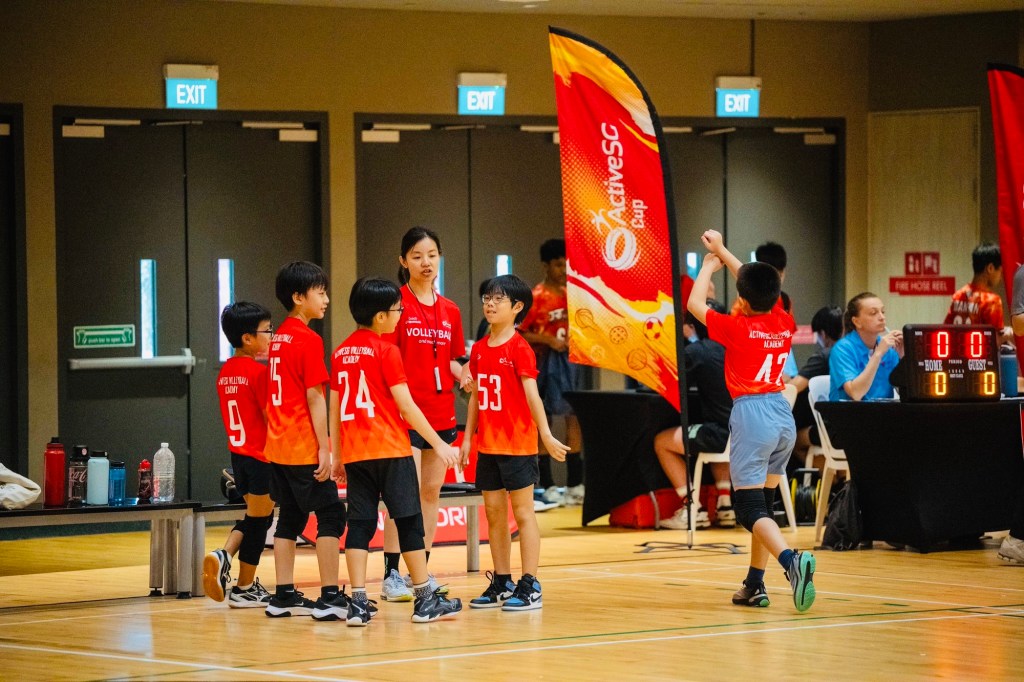
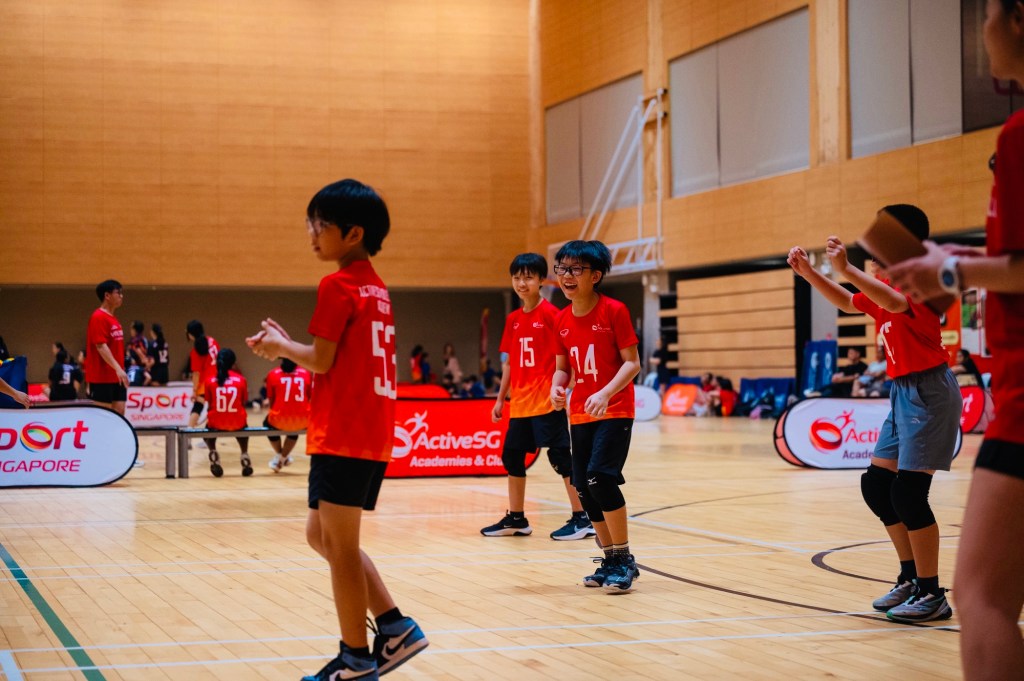
My son has his first volleyball tournament recently. Even though his team didn’t win a match, making some nice plays still gave him a sense of satisfaction. He is competitive and doesn’t take losing well. The more he wants to win, the harder it is for him to control his temper and perform at his best. My hope is that as he matures, he will learn to see these moments as part of the process of improving and reaching his potential. Many people are competitive and want to win, but not everyone can manage their emotions, learn from setbacks, and bounce back stronger.
Rebecca Watson wrote that nostalgia can be an antidote to loneliness. As an introvert with many pursuits, a few close friends and family, I seldom feel lonely. Still, I am drawn to the feeling of nostalgia. Revisiting places where I once lived, studied, or worked puts me in a contemplative mood and invites me to reflect on my past experiences.
Excerpts from the article:
It’s a curious thing, seeking the site of memories: like a dog chasing its own tail. It’s impossible to meet the memory. Those spaces live on in your mind, edging towards unreality, becoming dreamlike.
I was connecting memories back with the world, pulling them into reality. But the task, of course, was impossible to achieve: the present only reinforced memory as individual, intimate, unrepeatable. Each spot was united by there being no sign that I had been there previously. Time having passed was part of the pleasure, so was the fact that I was irrelevant to these places — that they belonged to me only as much as the series of people who had since passed through them.
Nostalgia can become negative when you wish for a reality that probably never existed — or romanticise a past state in order to attack the present. But in its best form, nostalgia is an antidote to loneliness — it un-collapses time, which is by necessity condensed, drawing out your life behind you like a snail’s silver trail. The feeling is of being both magnified and a speck amid a vast landscape.
Nostalgia, on the other hand, is a phenomenon of layers: the passage of time, our relation to it, how others intersect with that memory or point in time.
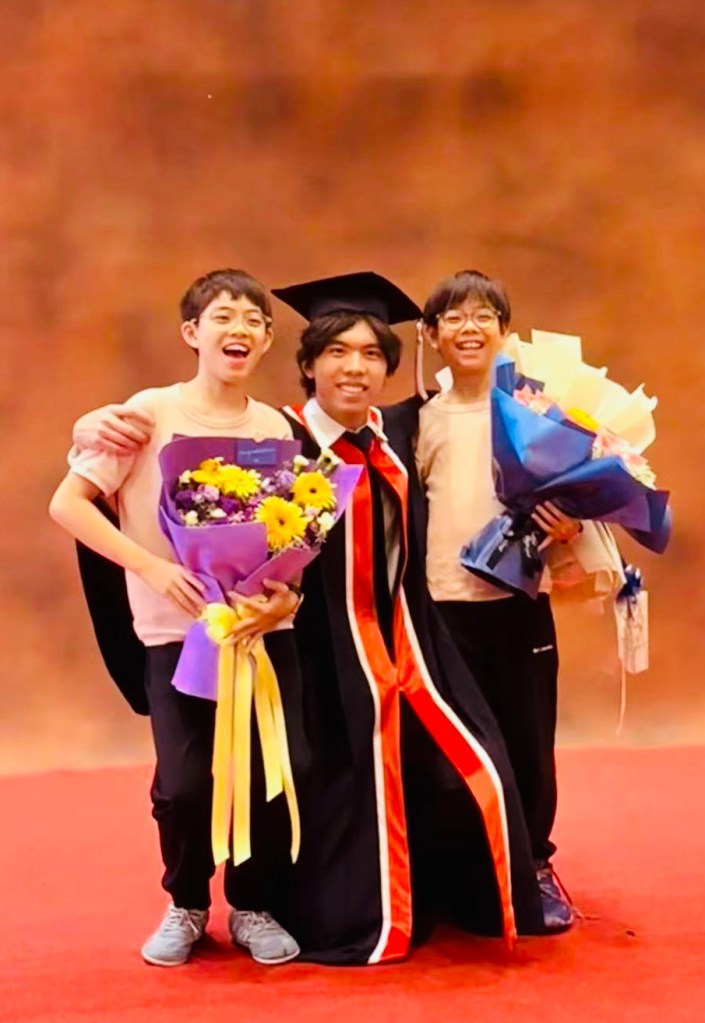
Our family went to Bangkok for a one week trip. Since I lived there when I was young, I still have many friends in the city, and my nephew is studying there. My aim was simply to have a relaxed trip catching up with friends and family.
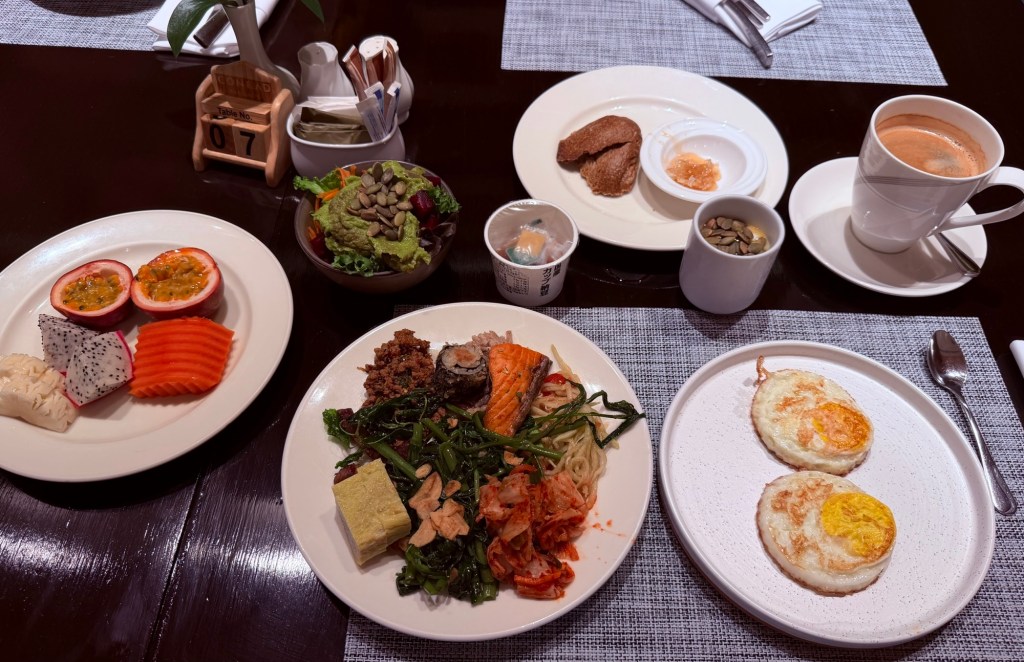
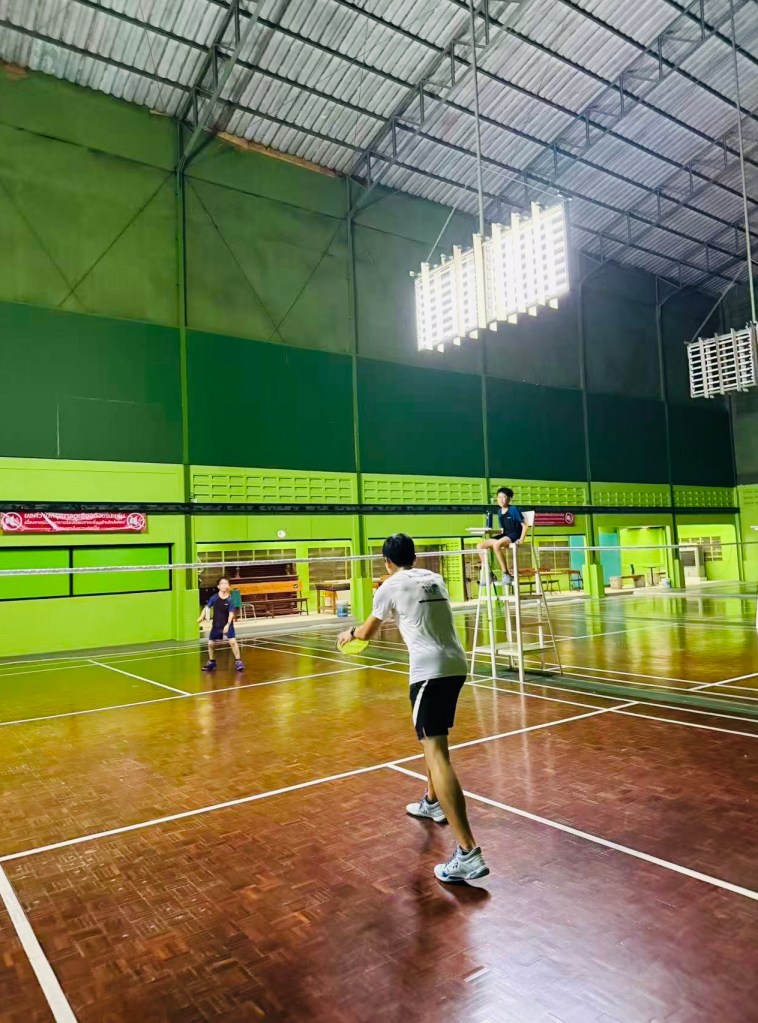
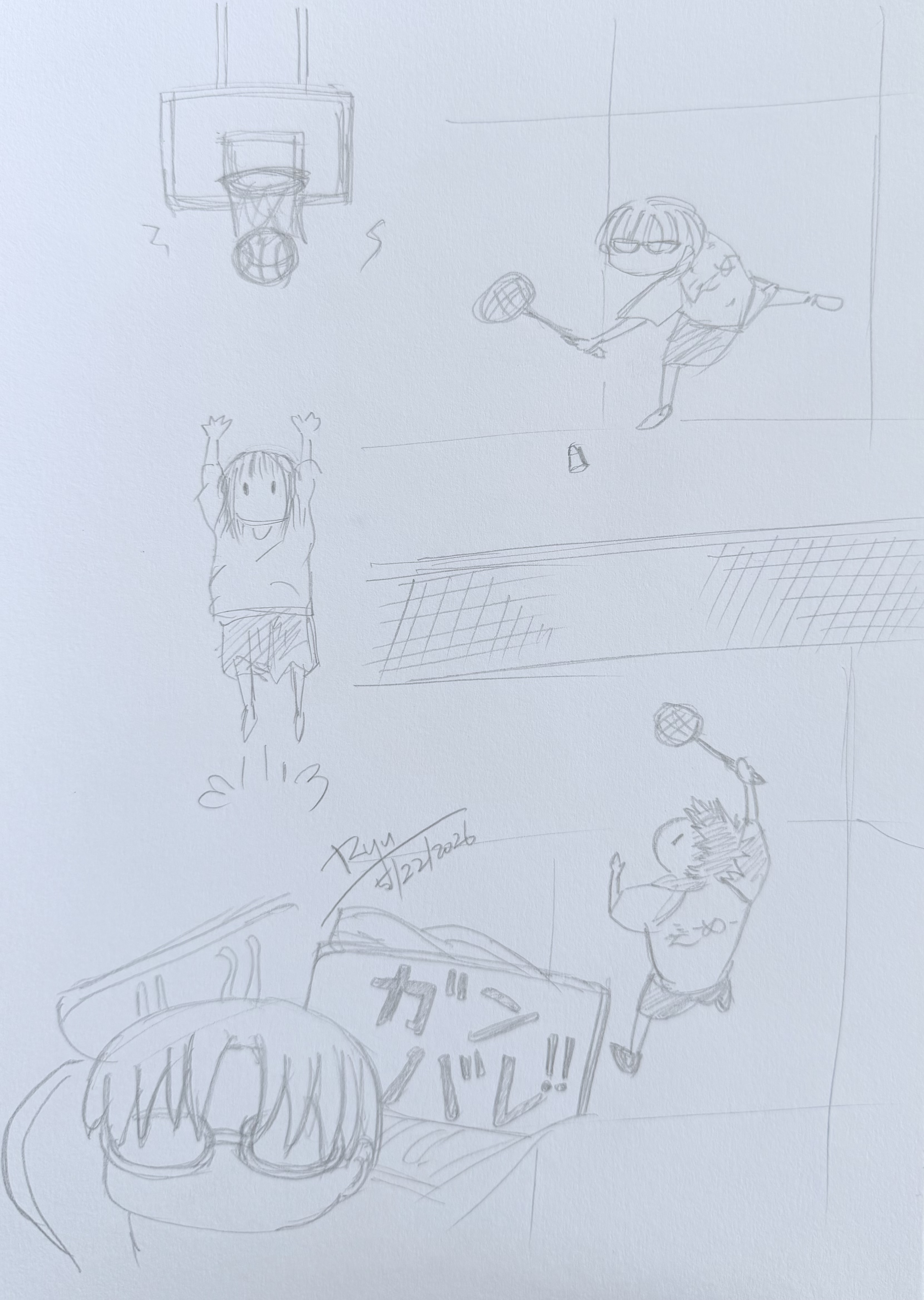
One predictable challenge in Thailand is overeating. The cost of living is lower, the food is good, and most of our meals were at restaurants with people we wanted to see. To avoid gaining too much weight, we brought our badminton gear and a basketball with us. That allowed us to stay active by playing sports, both on our own and with friends. Bangkok turned out to be convenient for this. Badminton courts were easy to book, and we found several basketball courts near where we stayed.
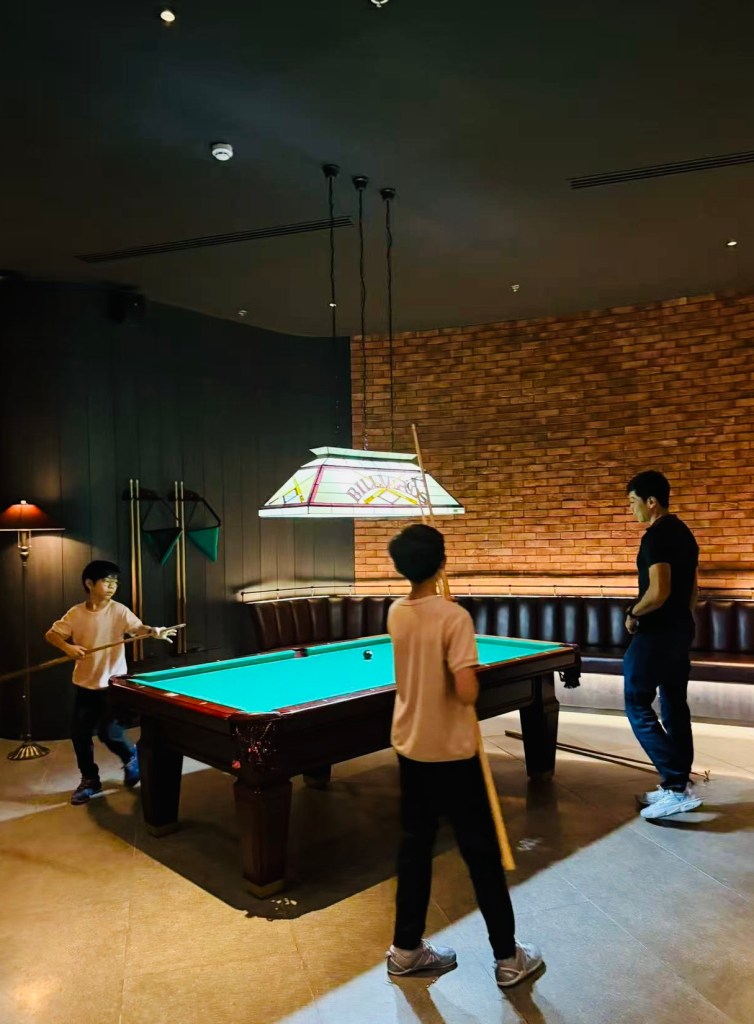
These activities cost almost nothing, but for one of my boys, they were the highlights of the trip. This reminded me that travel does not have to revolve around sightseeing. Bringing some of our normal routines with us, especially sports, made the trip healthier and more memorable. It allowed us to enjoy good food without feeling too guilty, while also creating simple moments of bonding through activities. I think this is something we will do more often in future trips.



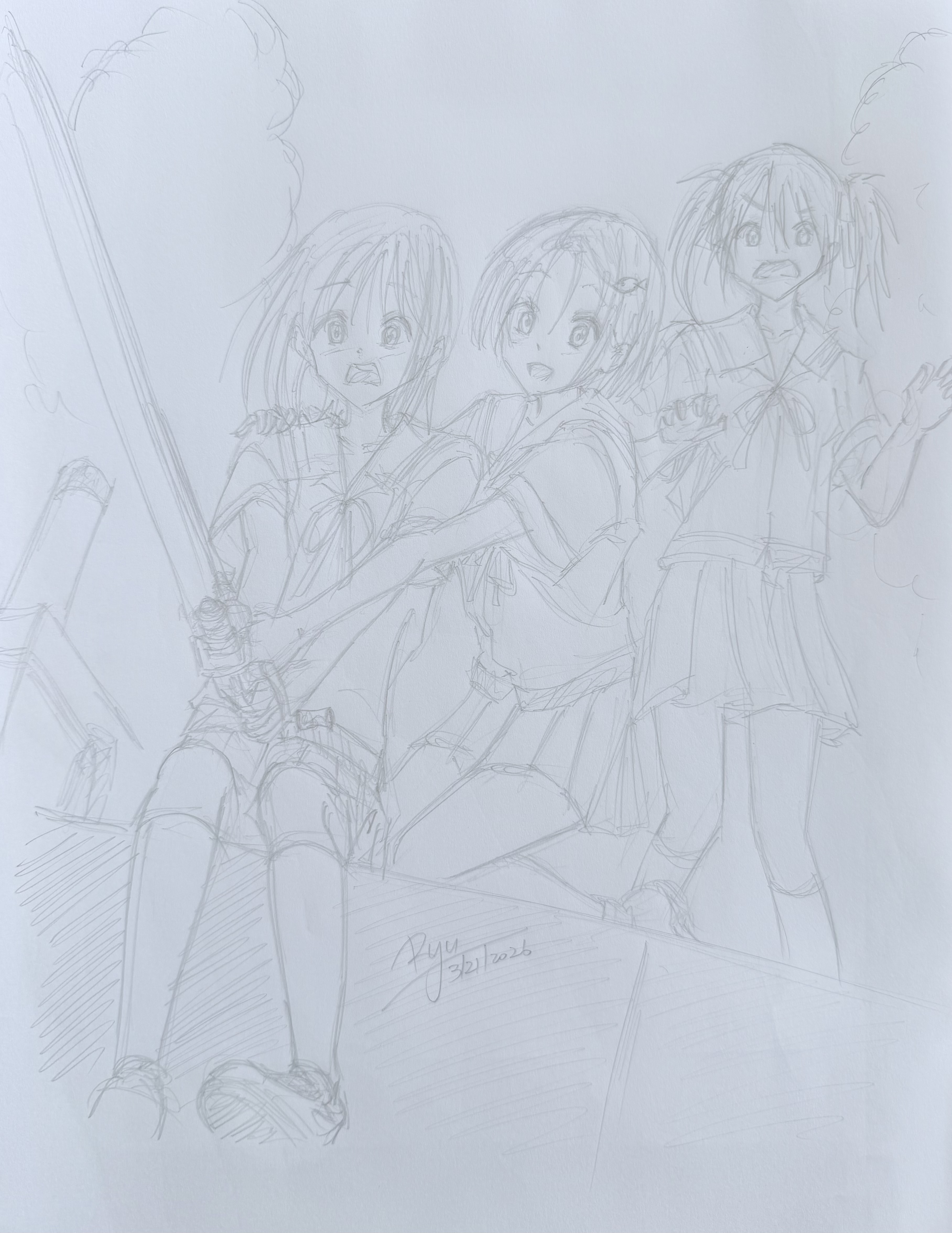
“Regardless how strong someone might appear, there are weaknesses. We might think of anxiety as a negative, but it’s something we all have. We get stronger if we act through it. Bearing the burden of anxiety and get stronger, isn’t it a bit like strength training?” —Hina
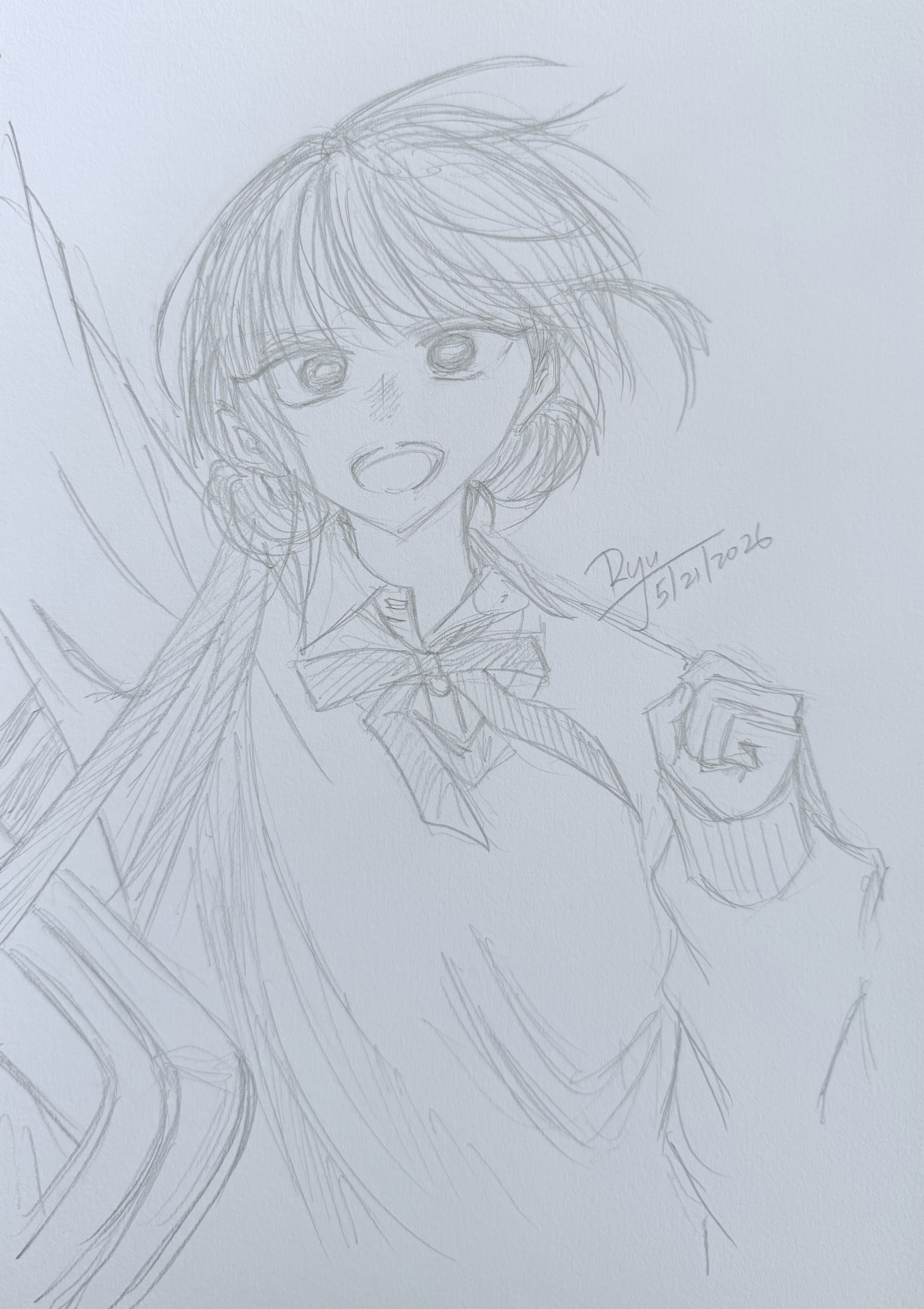
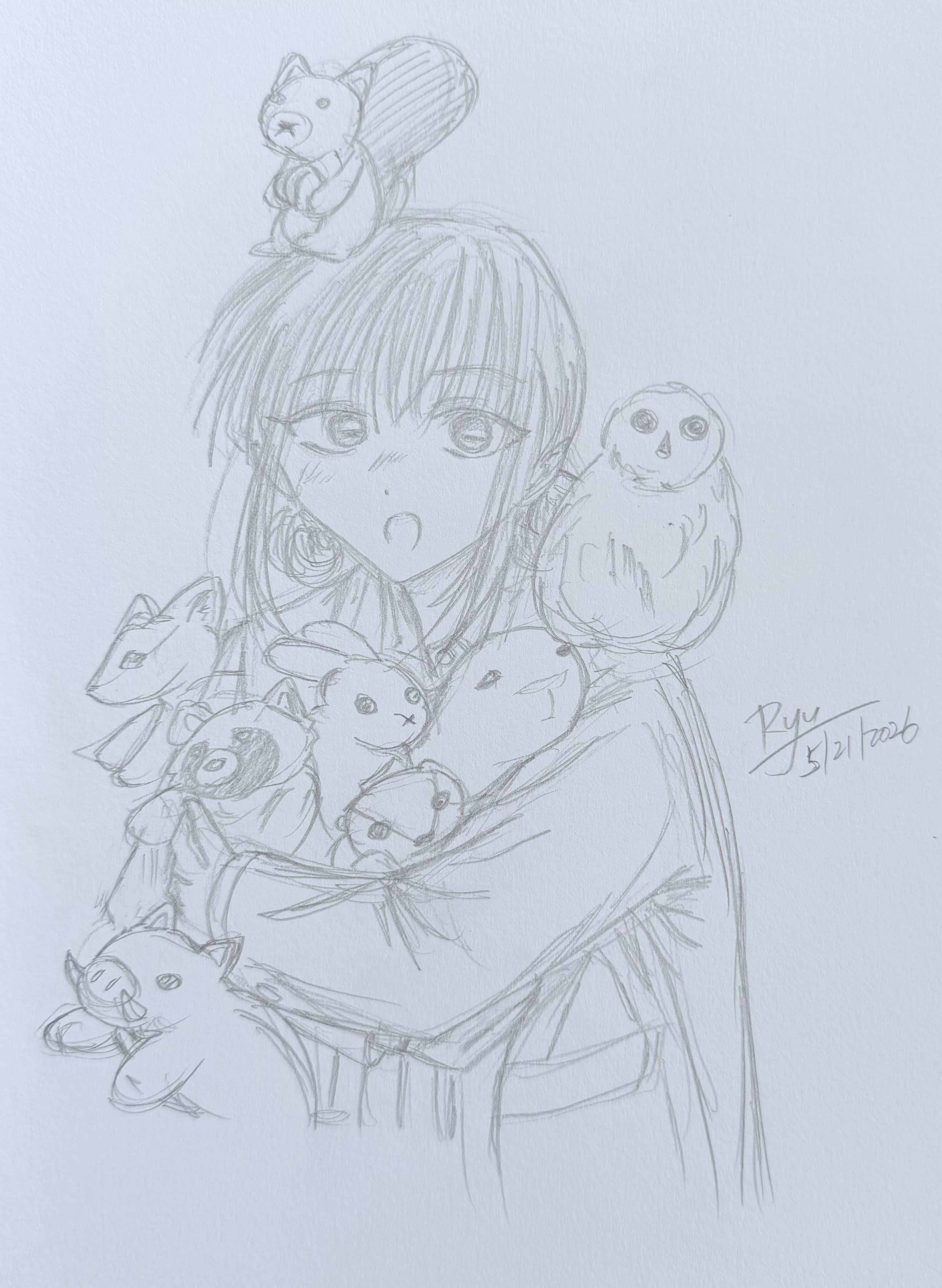
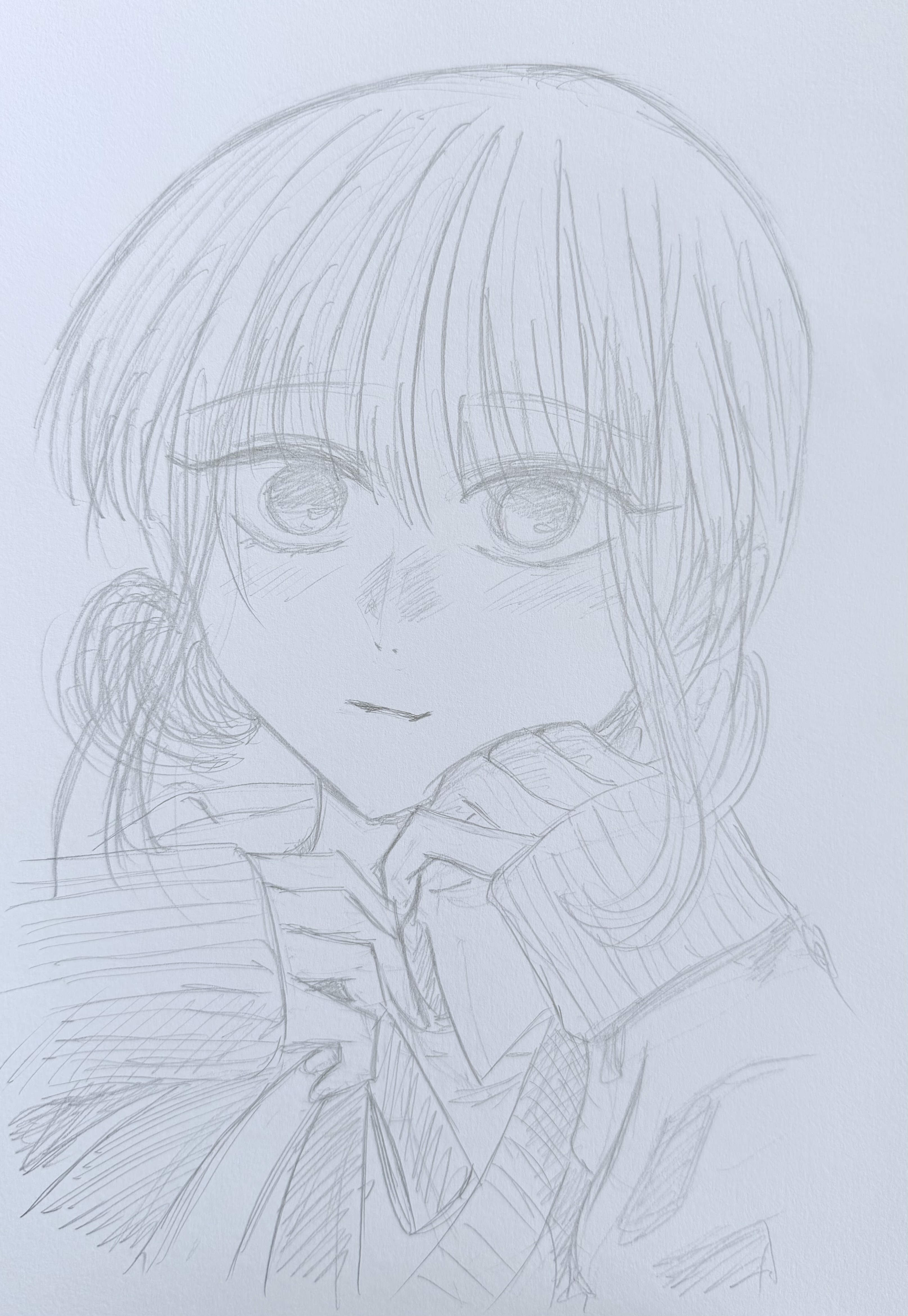
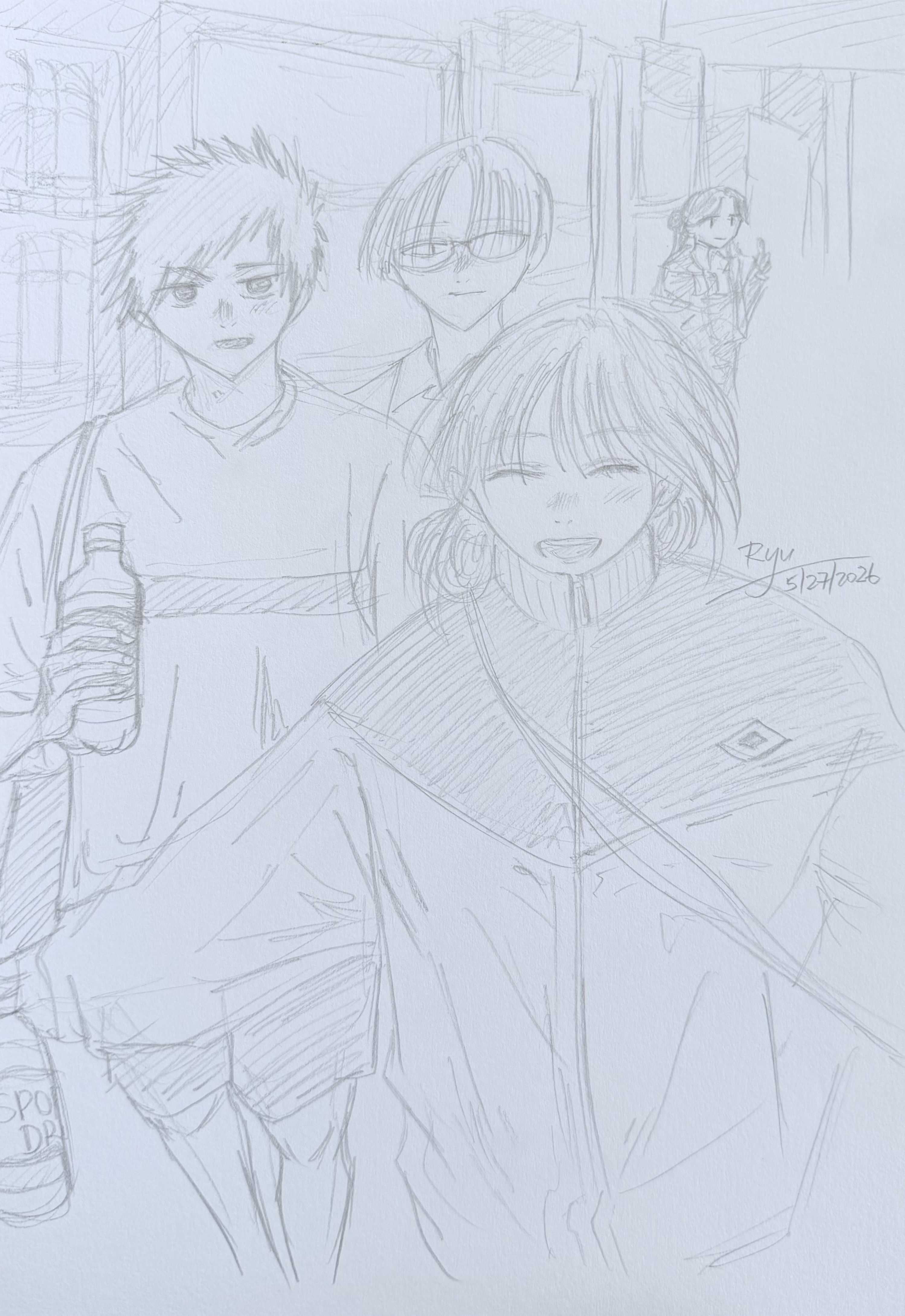
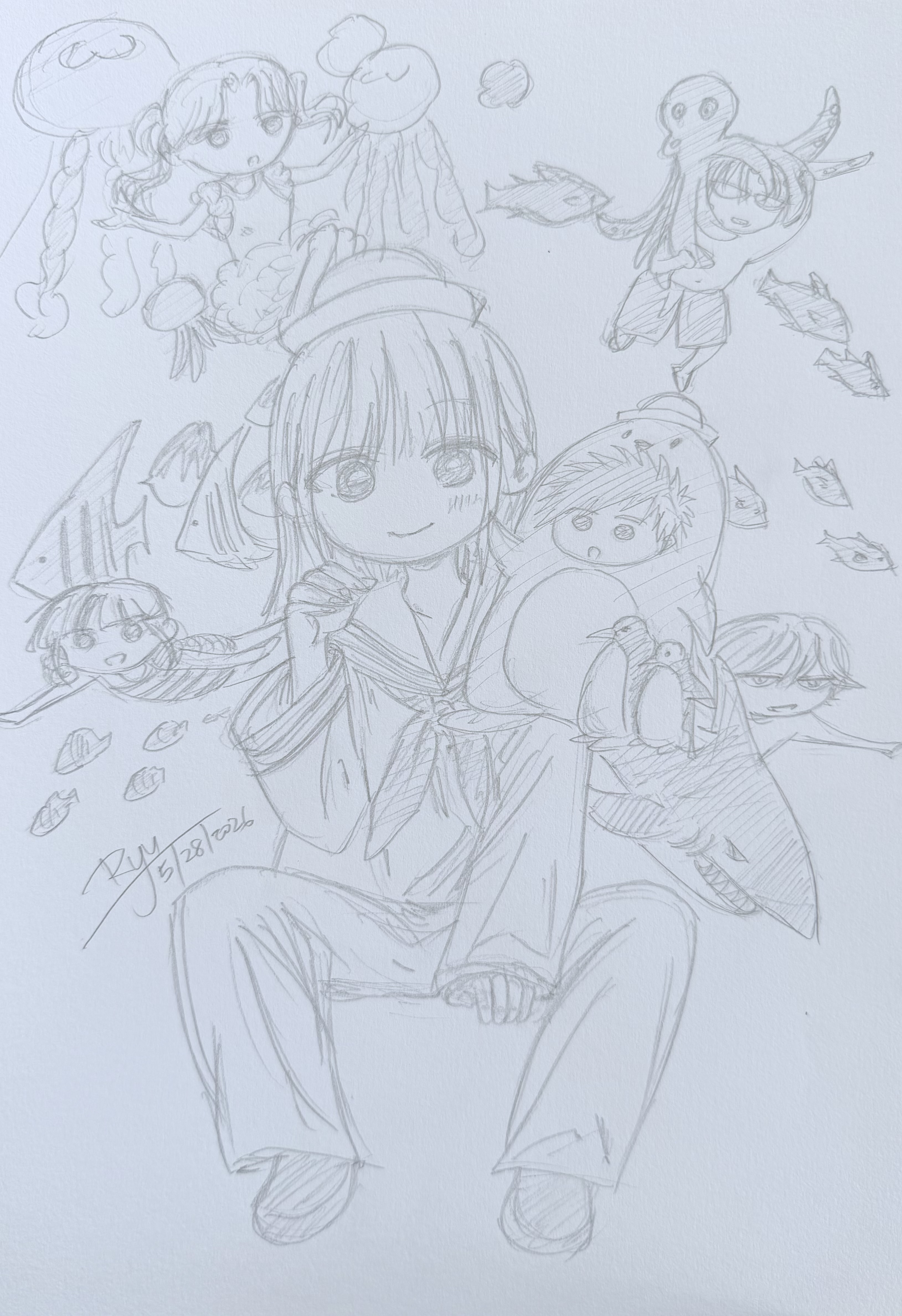
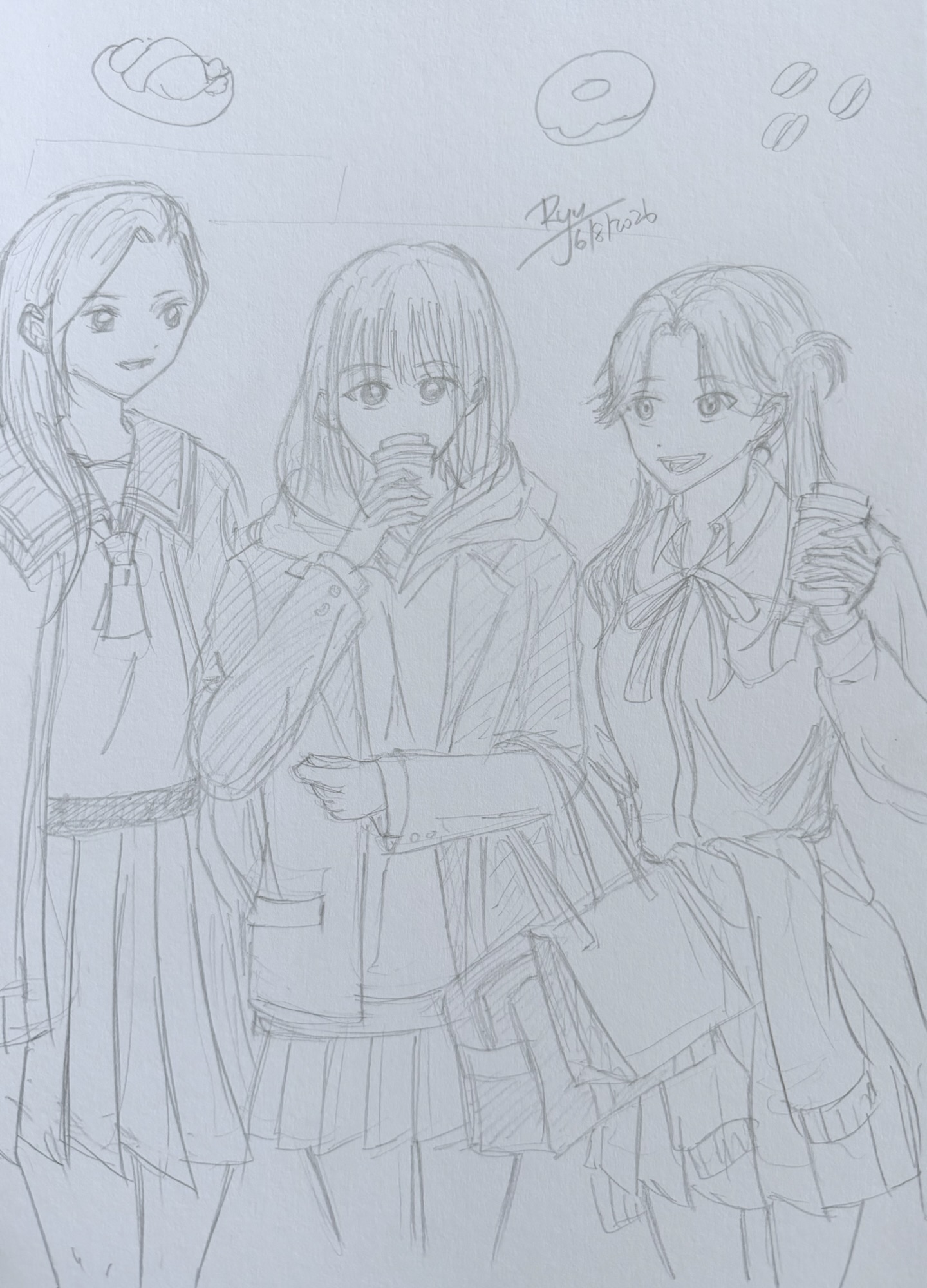
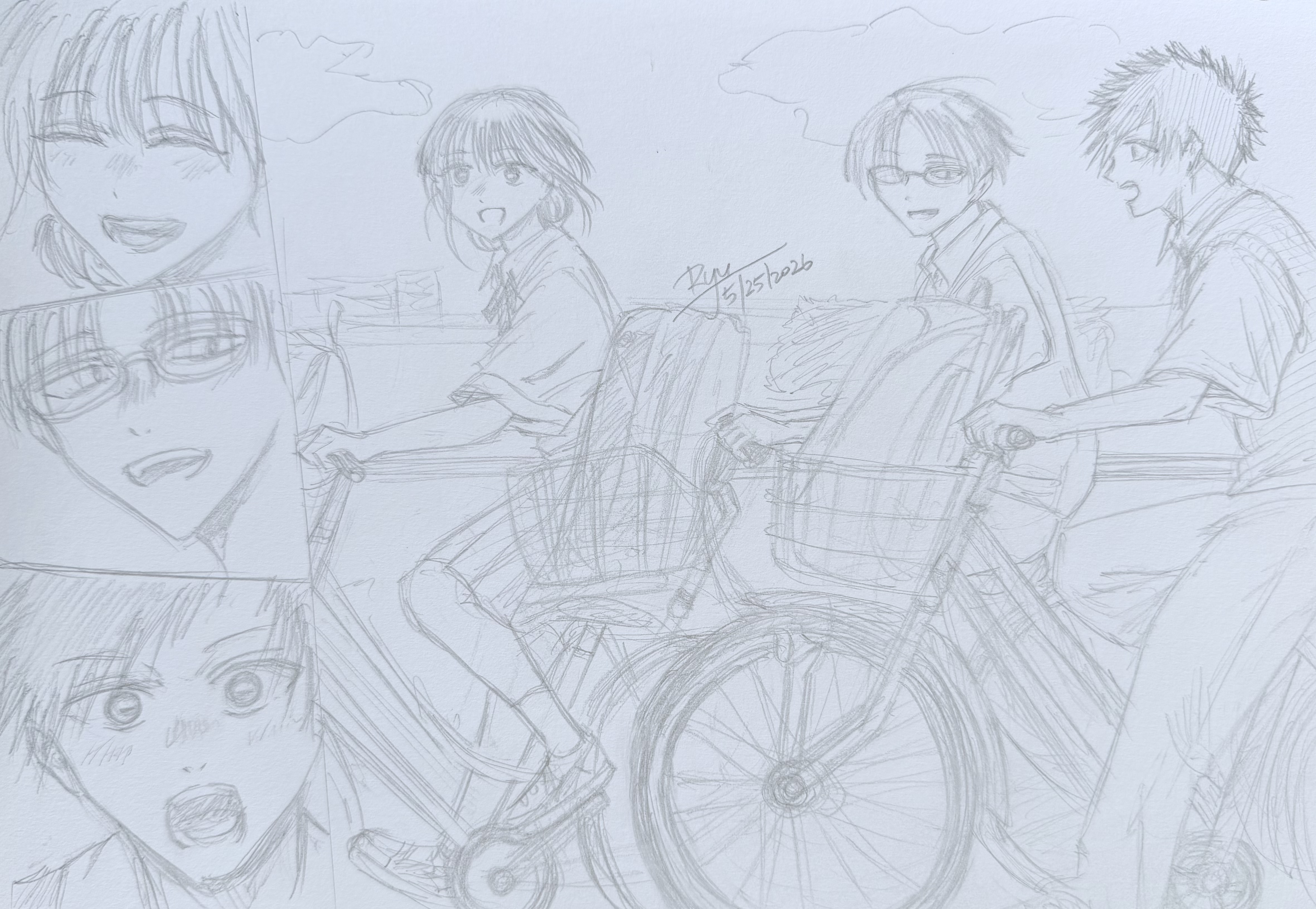
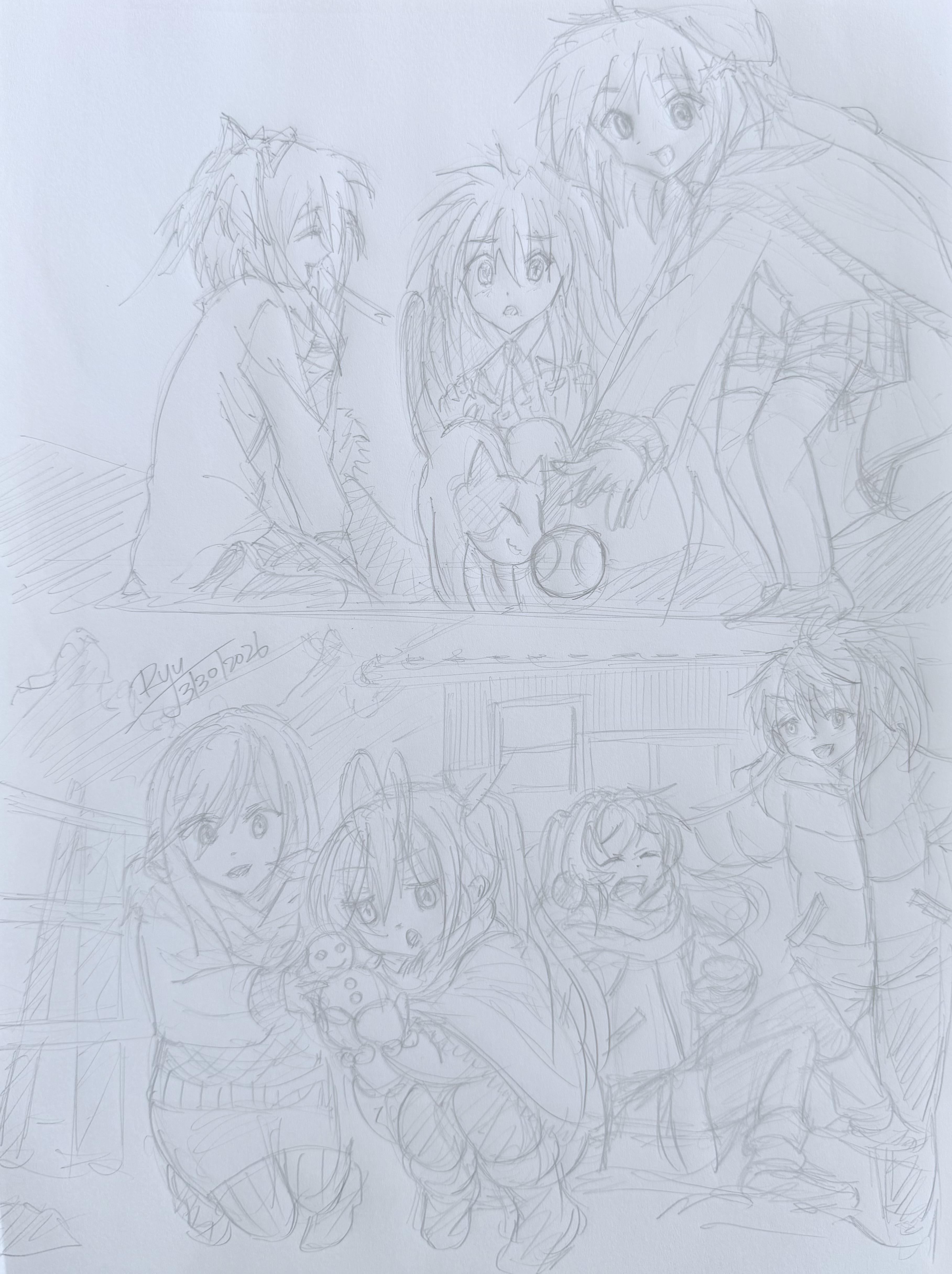
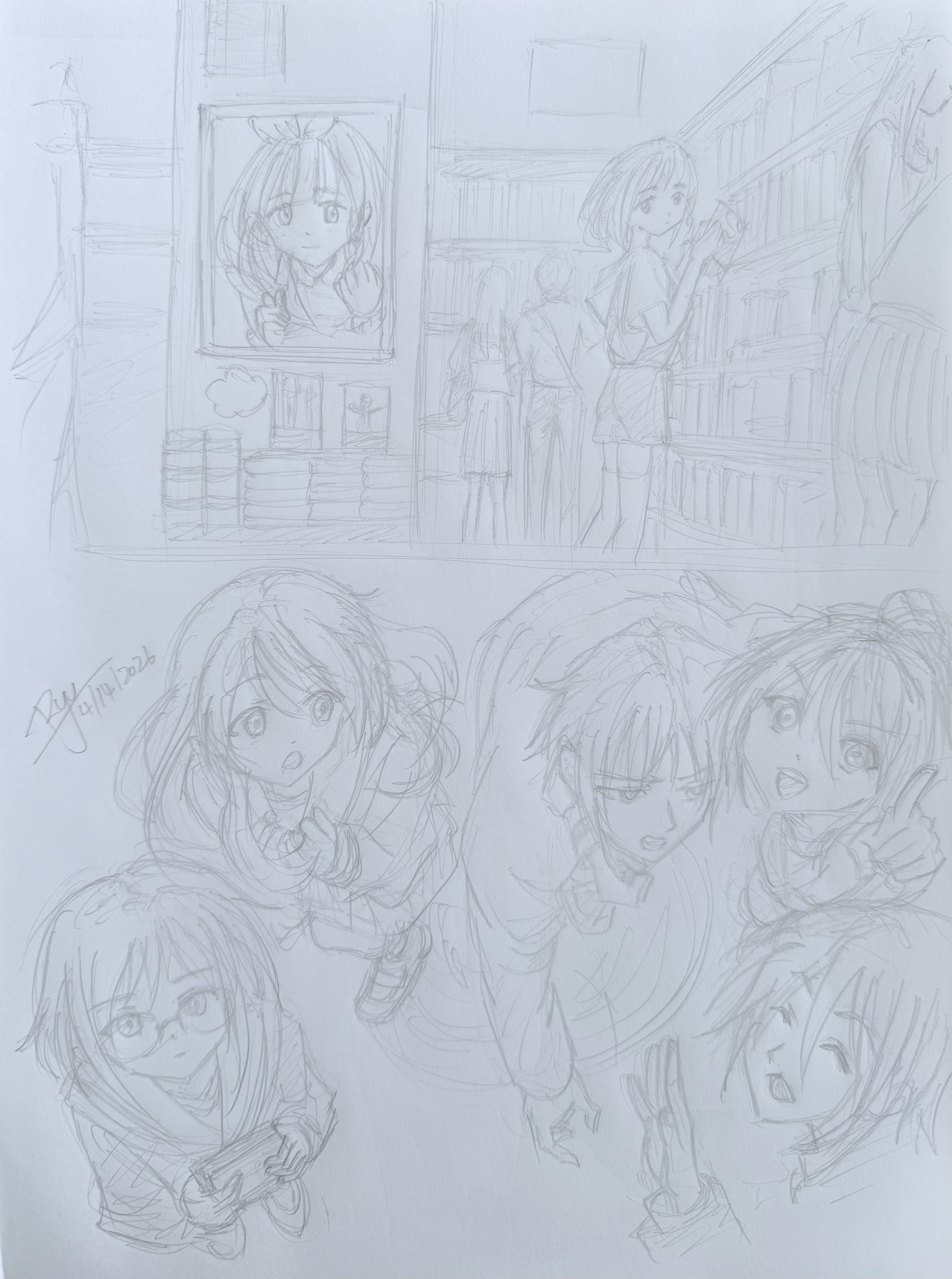
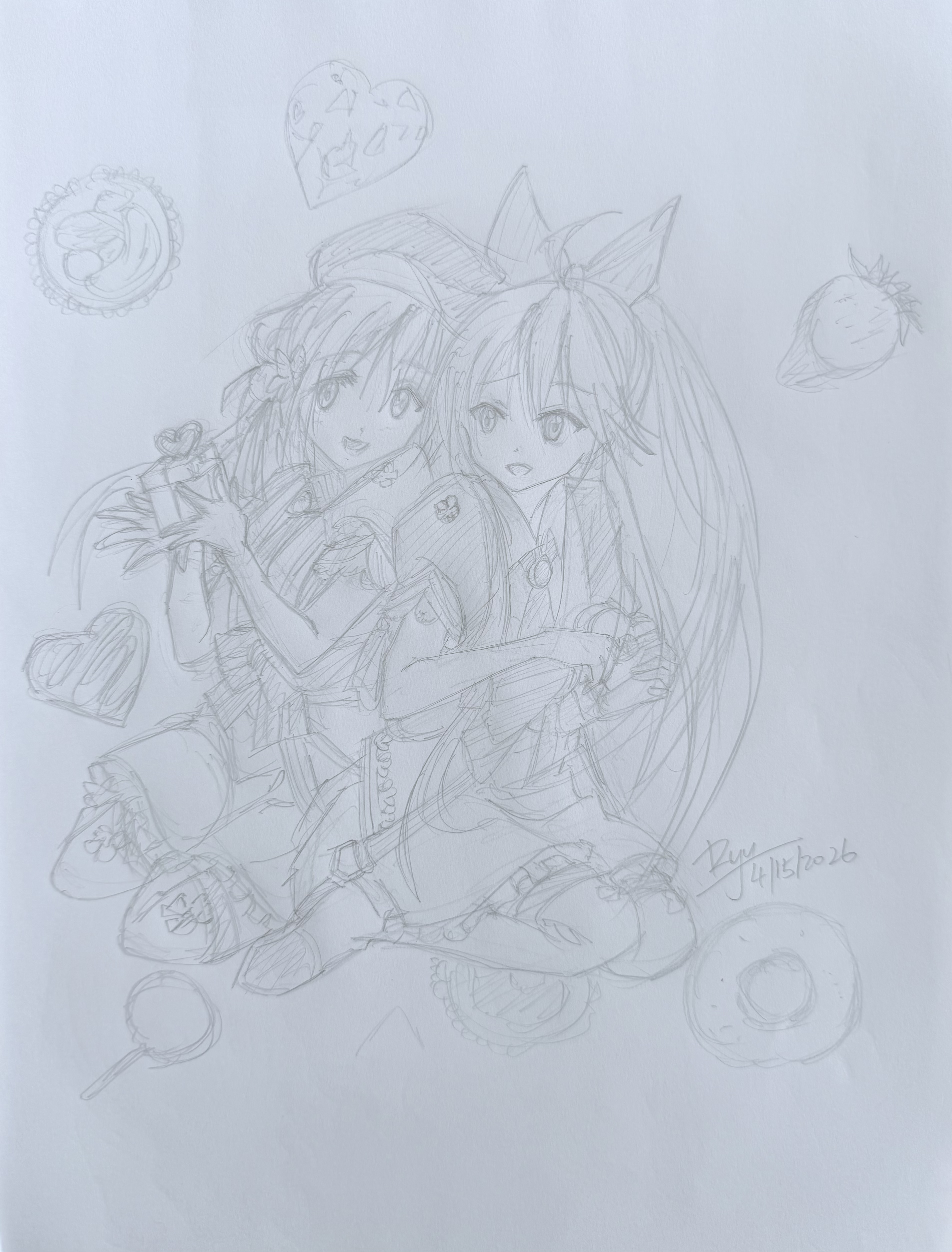
[While cycling to a cake shop]
Hina: Let’s disperse all stress!
Taiki to Hina: You have stress?
Hina: Stress when a friend got treated poorly.
Kyo: Me too, stress when a my close friend doesn’t treat himself well.
The book’s main idea is that constraints can be good for us while too much freedom bad. I share his views. But since I’ve came across many of the stories and ideas previously, this book doesn’t bring too much new insights for me. His recent podcasts or interviews are good places to get the gist of the book.
Excerpts:
Years after her Olympic gold, Taormina wrote a short reflection about her Management 577 class for a book about applications of the theory of constraints. The benefit of the process, she wrote, “is the identification of core problems and a logical way to find a win-win solution.” When her athletic career ended, Taormina wrote a well-regarded book on developing a powerful swimming stroke. Tellingly, in the introduction she wrote that swimmers often work on things “that have minimal to zero impact on their times, because they were never accurately told what is most important.” Hunting for bottlenecks isn’t rocket science, but we typically don’t do it in a systemic way.
[On Allende’s routine] Her year, she says, actually starts on January 7, with a ritual of clearing and silencing. That’s when she prepares the room for the next day. She cleans out everything connected to the previous projects…The next day, she lights a candle–which she will blow out at the end of each session–and begins. Her life “turned outward,” as she calls it, ends: no more lectures, or trips for book promotion, or being surrounded by people. She will turn down six-figure checks to give a forty-five-minute talk. Overnight, her energetic world becomes quiet.
She needs the silence. Without it, she cannot hear the voices that she channels onto the page…On January 8, she starts by sitting alone, silent, for several hours, as the noise and confusion of the rest of life fade away. Sometimes it takes weeks before she writes anything that she intends to keep, but it always comes, eventually…The January 8 ritual had brought her back again, and again and again thereafter. Now in her ninth decade of life, she still has a new bestseller out about every eighteen months.
I liked Mason Currey’s Daily Rituals, so I picked up this book about how various artists fund their creative lives. Like his previous book, it offers interesting glimpses into different artists’ lives and their attitudes toward money.
There is no single correct way to fund a creative life. Some people succeed by pursuing creative work on the side. Others need to devote themselves fully before they can make progress. And some people, without external constraints, end up wasting their time. Each of us has to find an arrangement that fits our personality and that we can live with.
Frugality helps as it provides more options. But for certain pursuits, such as professional sports and chess, age and timing also matter. I admire artists who give everything to creating art or mastering their craft. But a chaotic and uncertain life does not suit my temperament. So I chose to focus on building financial security first, before shifting more of my time toward hobbies in my late 30s and early 40s.
Overall, I think that choice has worked out well. The encouraging thing is that it is not too late to begin and improve at many artistic activities. And while I cannot compete in sports at a professional level, there are still enough opportunities to play with others. I can also enjoy simply practising on my own.
Excerpts:
This reader is someone powerfully drawn to a life in the arts and at the same time powerfully stumped by the difficulty of balancing those ambitions with the very real need to pay rent and put food in the fridge. Sure, there are some well-worn paths forward: Get a day job and do your creative work in your spare time. Go to graduate school and try to find a foothold in academia that encourages or at least tolerates your art-making practice. Pursue a sort-of-related career–journalism for writers, say, or graphic design for visual artists–and hope to channel your artistic impulses into this more financially secure profession. Find somewhere extremely affordable to live and get by on a little income as possible. Become a genius at applying for–and winning–grants, fellowships, residencies, retreats, contests, and other funding opportunities. Coax money out of your parents, acquire a patron, or attract a life partner who’s willing to subsidise your art. Or–most elusive of all–make your art pay, by tailoring it to the market place or somehow forcing the culture to come to you.
The dumb truth is that there is no cultural production without financial supports. It is simply not possible to become an accomplished painter or musician or novelist or pet without spending a lot of time experimenting, making false starts, starting over, starting over again, absorbing criticism, thinking, reading, talking, and mooning about the house aimlessly. All this time has to be purchased, one way or another.
Leonard [Virginia Woolf’s husband] writes: “Neither of us ever took a day’s holiday unless we were too ill to work or unless we went away on a regular and, as it were, authorised holiday. We should have felt it was not merely wrong but unpleasant not to work every morning for seven days a week and for about eleven months a year. Every morning, therefore, at about 9.30 after breakfast each of us, as if moved by a law of unquestioned nature, went off and “worked” until lunch at 1. It is surprising how much one can produce in a year, whether of buns or books or pots or pictures, if one works hard and professionally for three and a half hours every day for 330 days.
According to a personal secretary employed by the Ives family for a time, “Mr. Ives would come home from a strenuous day in the insurance business, have his meal, and then go [to] the piano and forget all about time until the wee small hours. He would be completely absorbed in his music.”
In truth, it’s not so easy to make one version of your art just for money and then pivot to the other version, the one you make without worrying about money and maybe even in defiance of it. Trying to do both things at once may prevent you from doing either of them well. And if you succeed at one, the world may not let you pivot to the other.
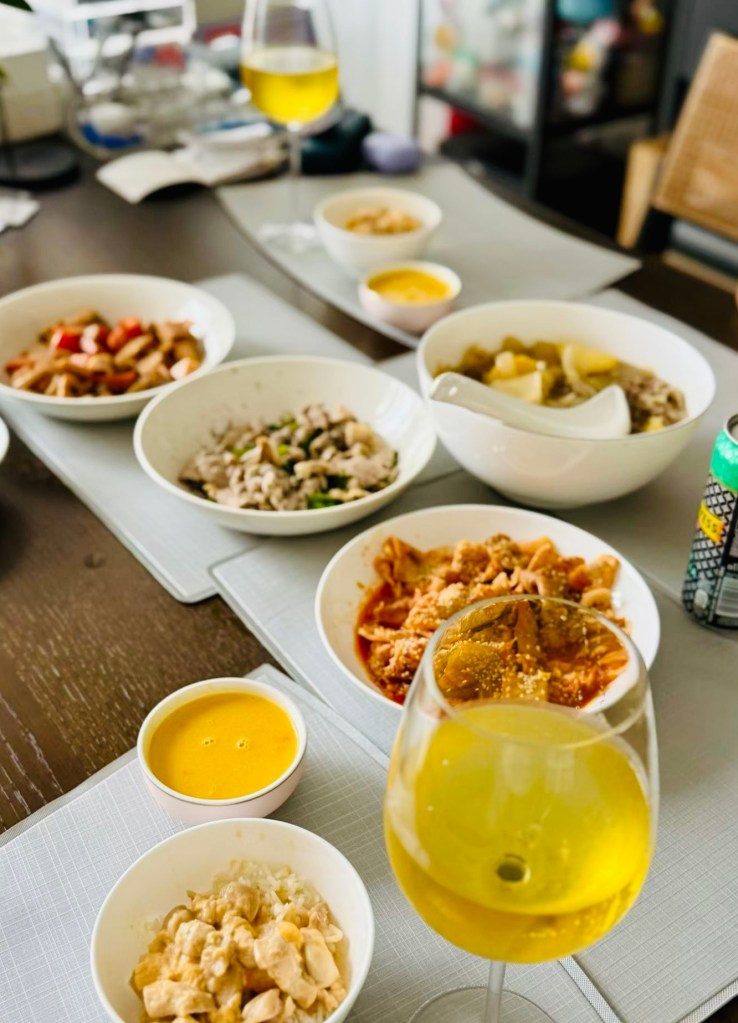
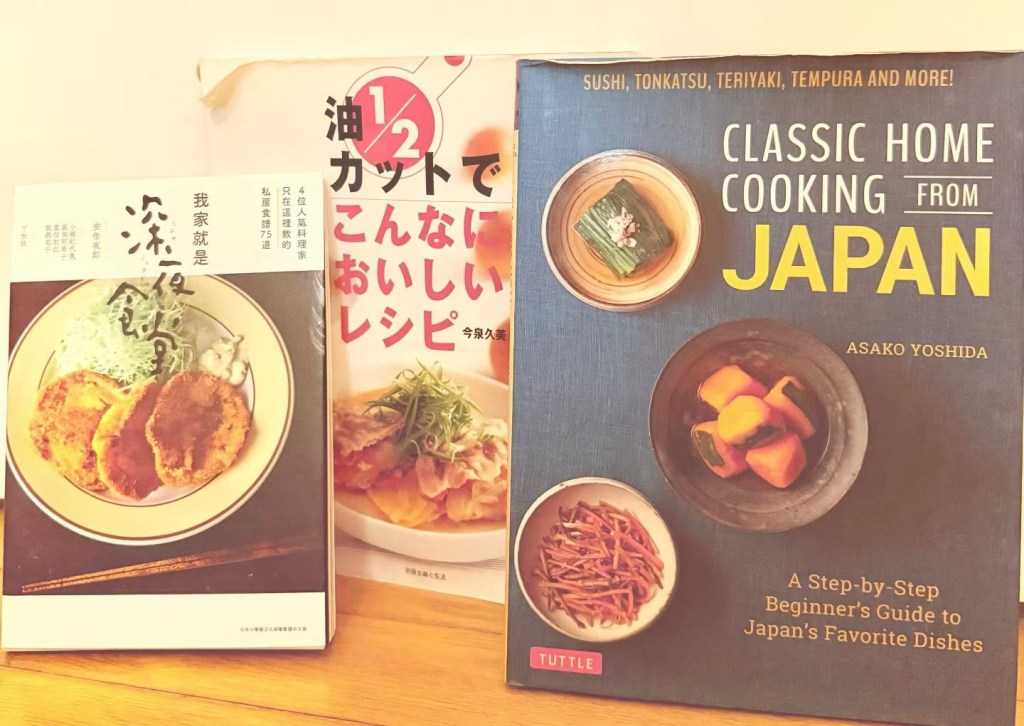
It’s been a while since I prepared a meal for others. Back in university, a few friends and I had an informal cooking club, where each of us took turns cooking for the others every month. We took notes and documented our dishes and comments afterward. It was a good opportunity to get together with friends, try something new, and enjoy good food.
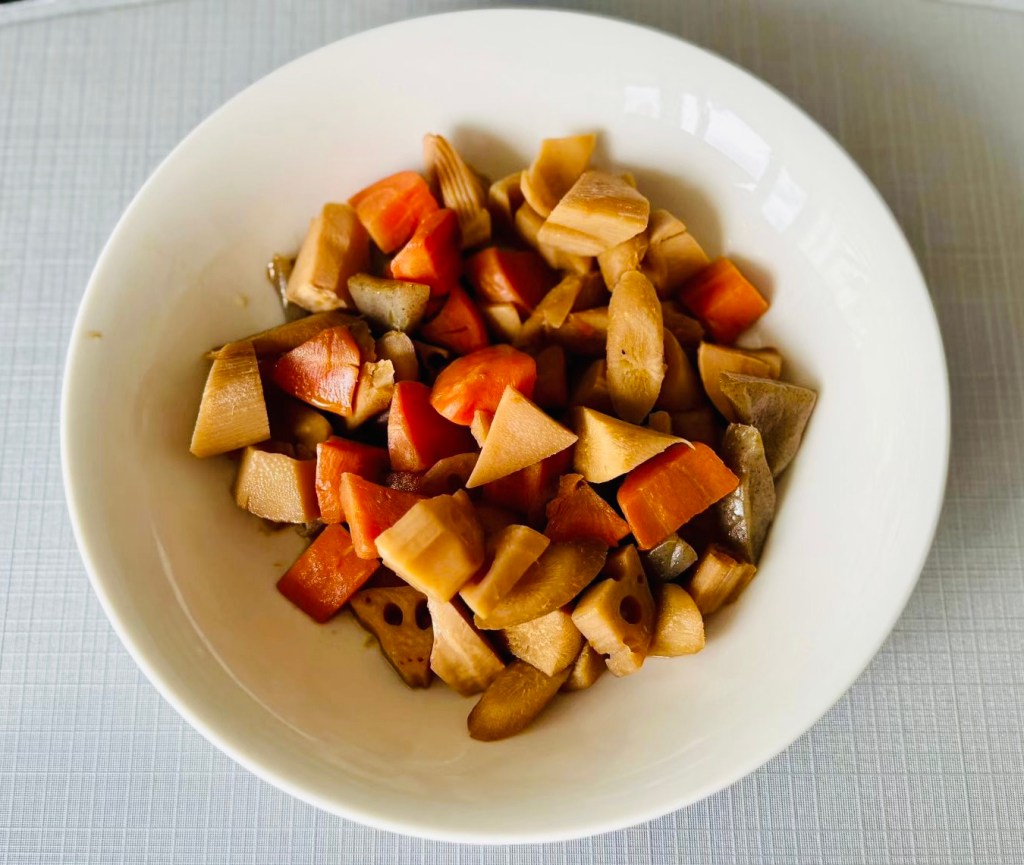
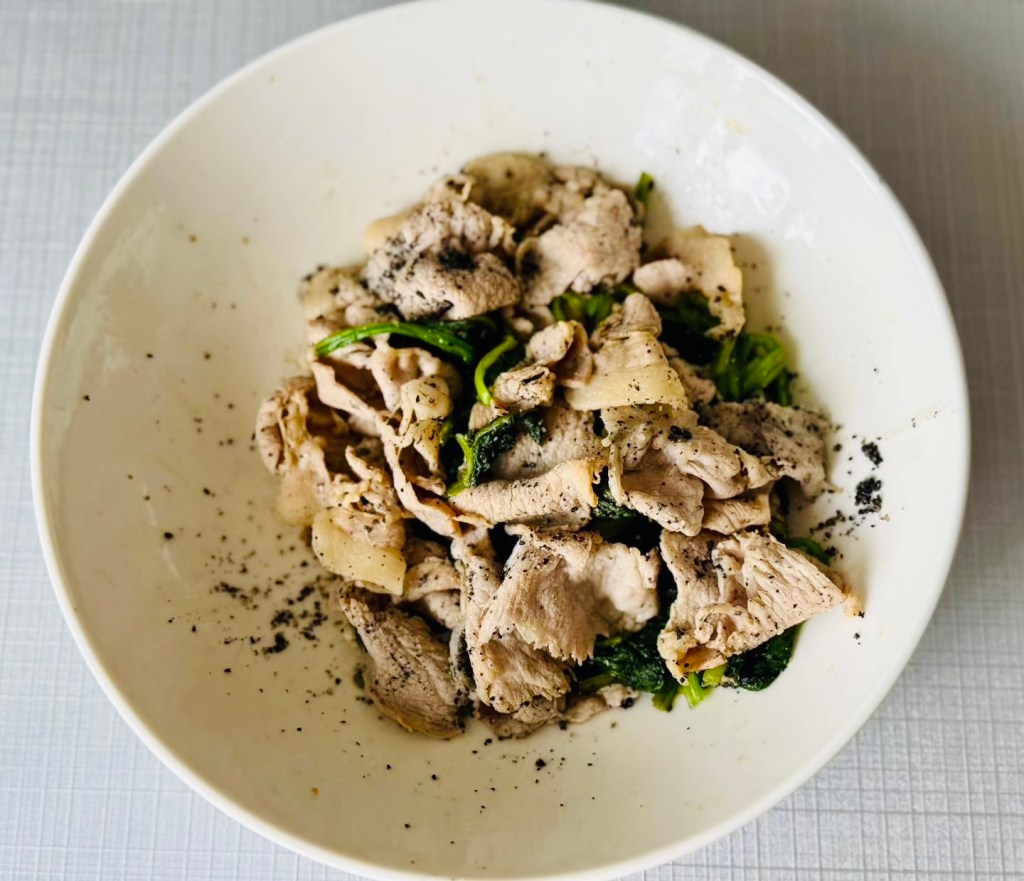
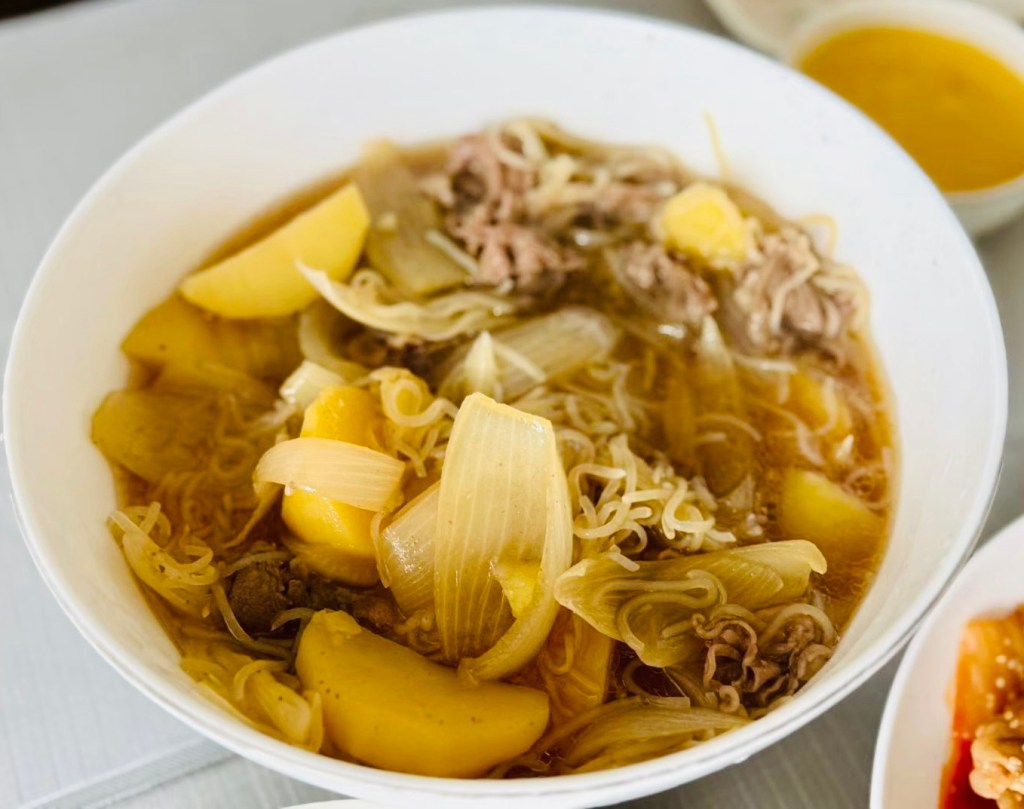
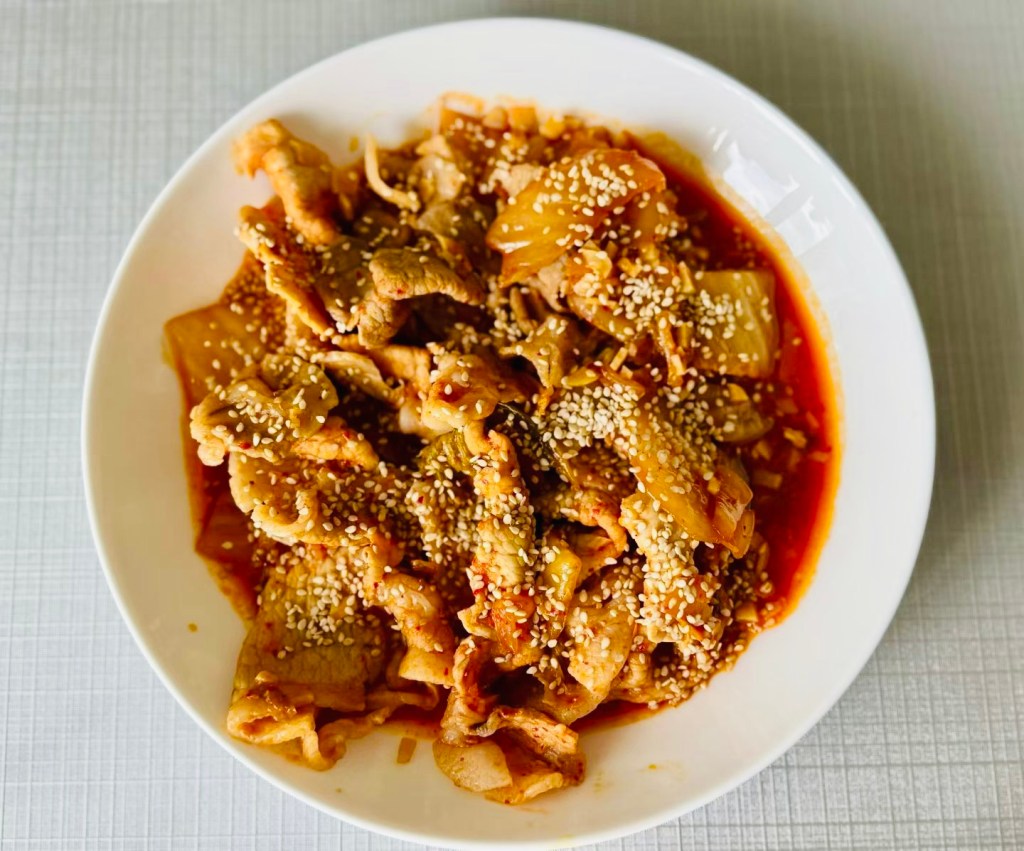
Recently, I decided to cook a meal for my family. When my boys said they wished there had been more food and wanted to eat my cooking regularly, I knew the meal was a success. While it’s satisfying to cook a nice meal and see others enjoy it, the opportunity costs are high. It took about two hours to prepare and cook, plus another one to two hours to plan and buy the ingredients. Since I don’t plan to become a chef, I think it’s something I’ll only do occasionally.


 Ryu's Blog