“One who truly hates himself cannot love” — Rei Ayanami




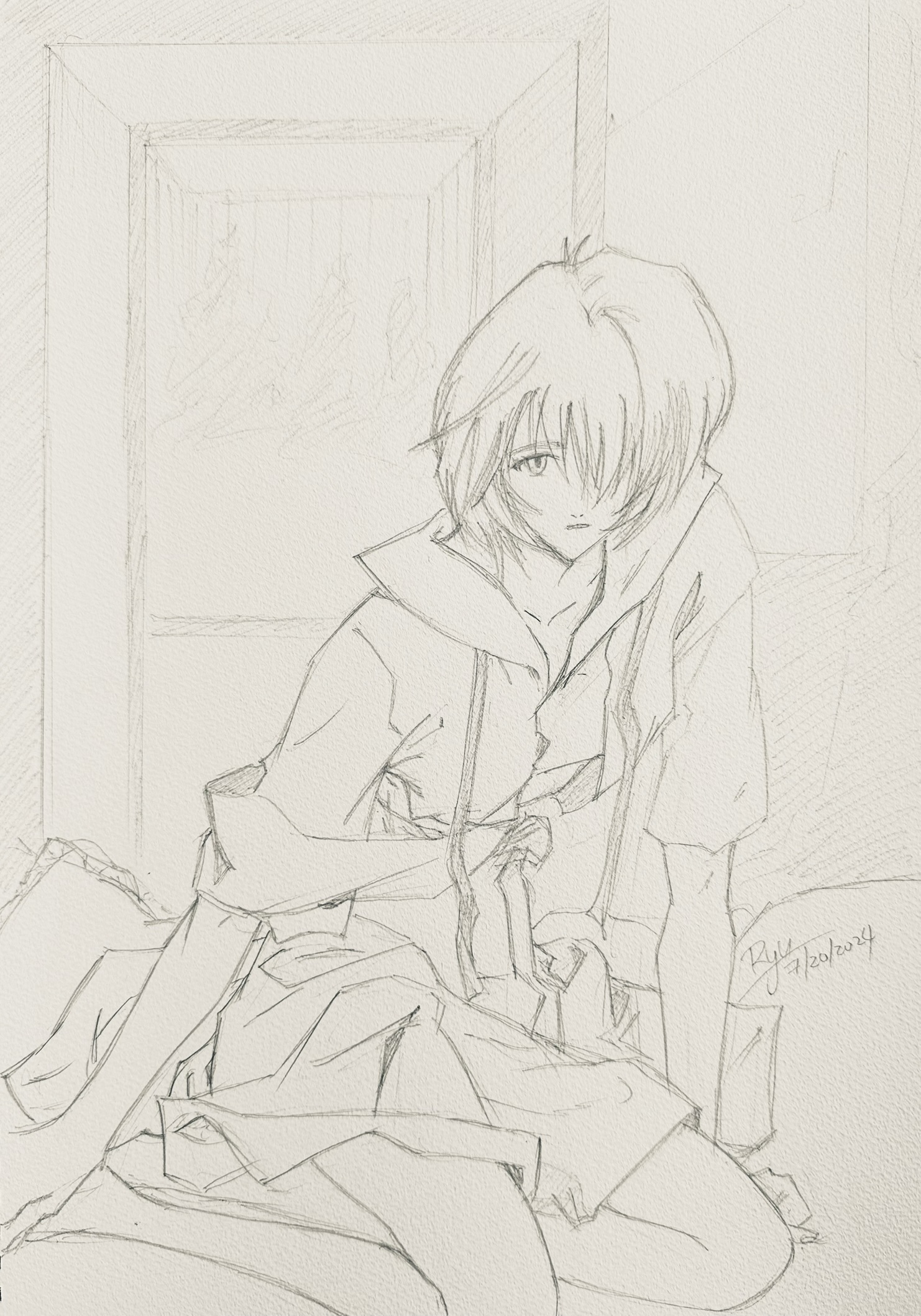
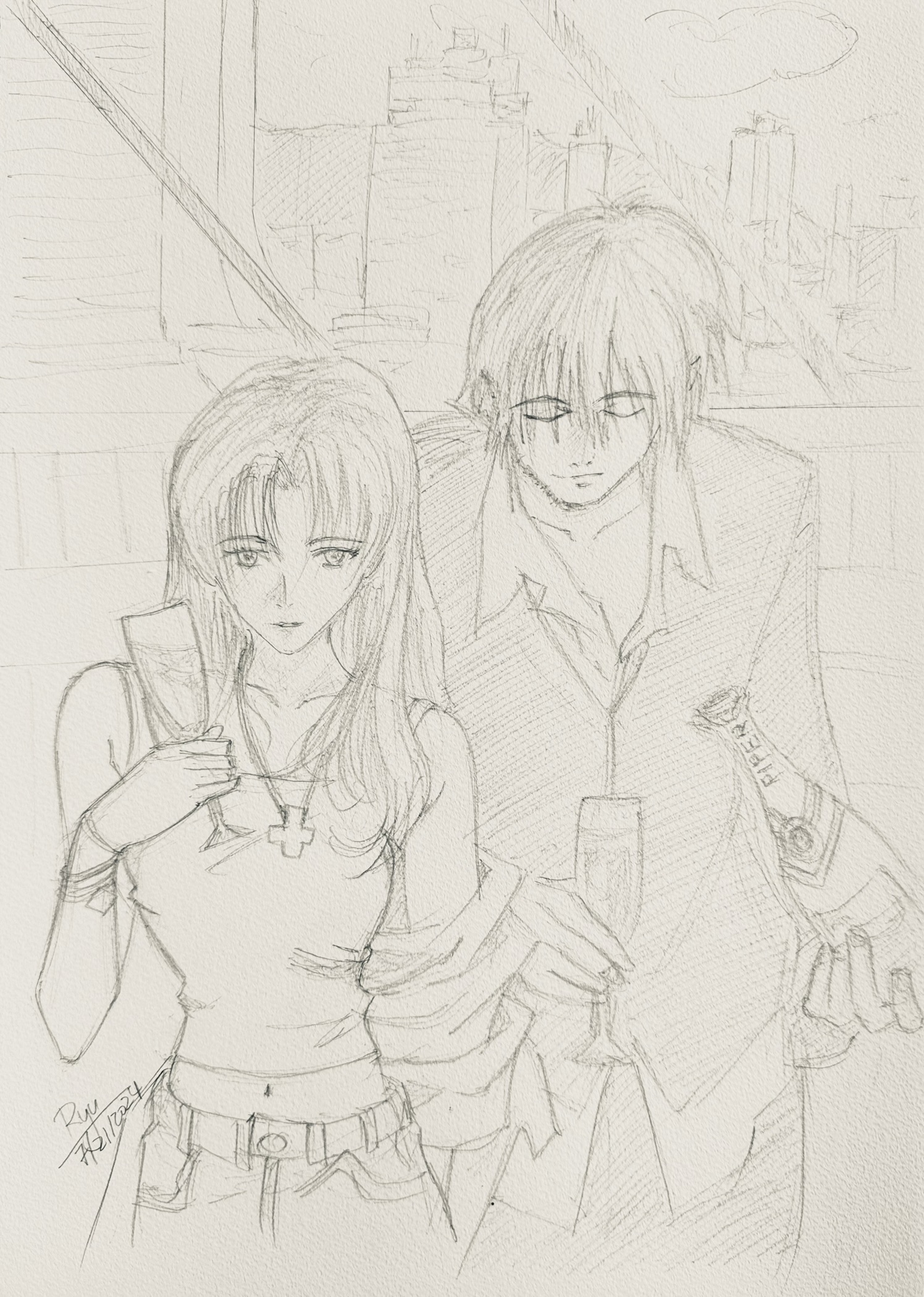
“One who truly hates himself cannot love” — Rei Ayanami
Detective Conan often says, ‘There’s only one truth.’ But is that true? Can we be certain that our experiences align exactly with those of others? In quantum mechanics, it is noted that observing something can change it. Additionally, if multiverses or multiple simulations exist, might we experience different realities? Tim Hartford summarises ‘The Mandela Effect’ and argues that it’s more likely our memories are flawed than that multiple realities exist.
Whether multiple realities exist or our memories are fallible, perhaps we should learn to take things less seriously and let go of certain issues that might affect our relationships.
I consider myself a late bloomer. During my teens, I was immature in handling relationships, and I’m still amazed at how silly some of my past senseless actions were when I reflect on them. It seems my maturity has always lagged a step behind my peers. I would like to think I’m more mature now, yet I suspect that in a few years, I might cringe at some actions I take today. This suggests I am still changing, hopefully for the better. While not everyone may become more productive or successful later in life, I think it’s beneficial to believe we can always grow. As Henry Oliver might say, I hope to continue becoming my true self as I age.
Excerpts from the book:
Personal transformation happens through cultural immersion, sampling the world and changing our surroundings. In new circumstances, gradually sampling our way into a new mode of thinking, living or working, we can change our opportunities, perhaps even change ourselves.
Late bloomers are serious, perhaps, intense, obsessive, occasionally eccentric, volatile, or weird. Not infrequently, the people around them don’t quite understand who they are capable of being. Their earnestness can make them seem strange, off-putting, and makes it difficult to see how and where their talent could flourish: their capability often hides in plain sight…Their ambitions are usually secret, or unknown to themselves for a long time. They pursue their interests quietly. Their ability and confidence growth with experience.
Our time is not guaranteed to be well spent. How many people every year are lost to weariness, laziness, mental decline, exhaustion, redundancy? As Jimmy Carter wrote in his memoir of post-presidential life, The Virtues of Aging, ‘Each of us is old when we think we are – when we accept an attitude of dormancy…a substantial limitation on our physical and mental activity…As I know from experience, this is not tied very closely to the number of years we have lived.’
Addiction to success, habit, and love of status had prevented them from travelling or seeing their children. One important type of late bloomer is someone who successfully changes the balance of their life.
[Late bloomers] They tend to be smart (which doesn’t have to mean successful at school), self-educating and self-directing. They follow their own interests and take lifelong education seriously. They never stop teaching themselves; often, they set their own agenda…Another thing that characterises many late bloomers is a period of withdrawal for reflection.
[Jerry Seinfeld on producing Seinfeld] If you’re efficient, you’re doing it the wrong way. The right way is the hard way. The show was successful because I micro-managed it – every word, every line, every take, every edit, every casting. That’s my way of life.
Rather, knowledge was sought for its ability to improve our character: ‘A man always makes himself greater as he increases his knowledge.’
Take Samuel Johnson’s advice. Resolve, work, fail, and resolve again. We should do this not just for ambition, for ‘hope of a better fortune’, but because ‘the time comes at last, in which life has no more to promise’ and all we can do then is remember our lives; and ‘virtue will be all that we can recollect with pleasure’. We should keep working and keep trying, keep expanding our perspectives and horizons, our stock of knowledge and our range of experiences, not just for aspiration, but so we will know at the end of our lives that we did.
First, the culture we live in has a huge influence on our work: our circumstances change who we become. Second, our mental powers do not inevitably decline as we age: the more work we produce, the more likely we are to be successful.
It matters who you surround yourself with and what circumstances you put yourself in. Influence builds up over time.
‘The feeling of being in a great culture isn’t smoothness – it’s the feeling of solving hard problems with people you admire.‘
This is not the direct influence of peer pressure but the indirect influence of sampling the world via your network.
Different people are influenced by different things. Some people are more strongly influenced by their parents but not by their peers, and vice versa. Some people are going to be strongly susceptible to the influence of music but not painting. Many people are what Belsky calls a ‘mosaic’ – rather than fitting a neat pattern, we are influenced by different things in different ways.
That is why key transitional moments in life affect us differently. Just as the war affected the young delinquents in various ways, so will retirement, children, redundancy and other moments of change affect people.
We should aim to be comfortable at being incompetent when we try new things. The more we branch out, the more we can discover what we are really good at. We had to be incompetent for a long time while we developed our current expertise, and sometimes we should be willing to be incompetent again.
Late bloomers spend a lot of time cultivating themselves. They often experience life as a long, organic process, where decisions emerge out of previous experience. They are always becoming themselves.
‘The best predictor of exceptional creativity is productivity. It’s lots of hard work.’
‘Leonardo da Vinci demonstrated the potential of drawing as a form of research and as a medium for the generation of new ideas.’ Michelangelo’s drawings are full of repetition. He draws the same figures over and over with slight variations in posture, pose, angle. It’s how he encoded basic forms into his memory and how he discovered ways of being original.
Ask yourself as Audrey Sutherland did, ‘What part of my goal can I achieve now? What can I do now to achieve my goal later?’
Nice excerpts from The Marginalian on boredom, time, and how to deal with them:
Boredom is your window on time, on those properties of it one tends to ignore to the likely peril of one’s mental equilibrium. In short, it is your window on time’s infinity, which is to say, on your insignificance in it.
You are insignificant because you are finite. Yet the more finite a thing is, the more it is charged with life, emotions, joy, fears, compassion. For infinity is not terribly lively, not terribly emotional. Your boredom, at least, tells you that much. Because your boredom is the boredom of infinity.
So try to stay passionate, leave your cool to constellations. Passion, above all, is a remedy against boredom. Another one, of course, is pain… passion’s frequent aftermath… When you hurt, you know that at least you haven’t been deceived (by your body or by your psyche). By the same token, what’s good about boredom, about anguish and the sense of the meaninglessness of your own, of everything else’s existence, is that it is not a deception.
Try to embrace, or let yourself be embraced by, boredom and anguish, which anyhow are larger than you. No doubt you’ll find that bosom smothering, yet try to endure it as long as you can, and then some more. Above all, don’t think you’ve goofed somewhere along the line, don’t try to retrace your steps to correct the error. No, as the poet said, “Believe your pain.” This awful bear hug is no mistake. Nothing that disturbs you is. Remember all along that there is no embrace in this world that won’t finally unclasp.
What lies ahead is a remarkable but wearisome journey [on a] runaway train. No one can tell you what lies ahead, least of all those who remain behind. One thing, however, they can assure you of is that it’s not a round trip. Try, therefore, to derive some comfort form the notion that no matter how unpalatable this or that station may turn out to be, the train doesn’t stop there for good. Therefore, you are never stuck — not even when you feel you are; for this place today becomes your past… receding for you, for that train is in constant motion. It will be receding for you even when you feel that you are stuck. So… look at it with all the tenderness you can muster, for you are looking at your past.
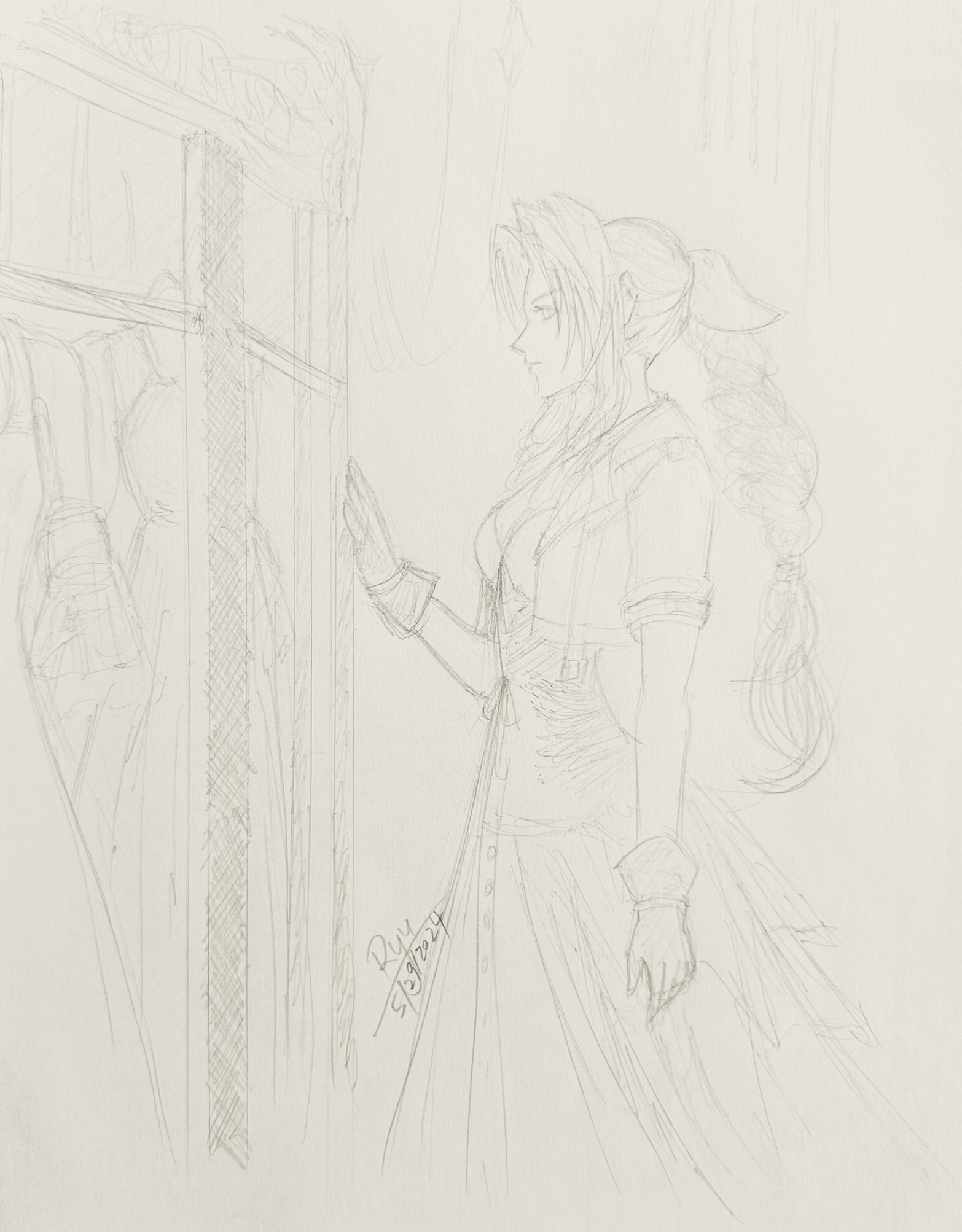
No Promises to Give
Walking city streets with worn cobblestones
Listening to people rushing past to rhythms all their own
Life passing me by, not thinking how the years have flown
Until I met you
I won’t say that it was fate
I won’t say that it was destiny
But if not, what could it be that drew you towards me?
Could it be chance?
Till the day that we meet again
Where or when?
I wish I could say
But believe—know that you’ll find me
Promises to keep, we won’t ever need
If only I’d never known
All the burdens I was born to bear
Lived a life without a care in the world safe for you…
But that won’t do
Till the day that we meet again
On our street, I want to believe
In the chance that we’ll share a glance
Promises to keep, we won’t ever need

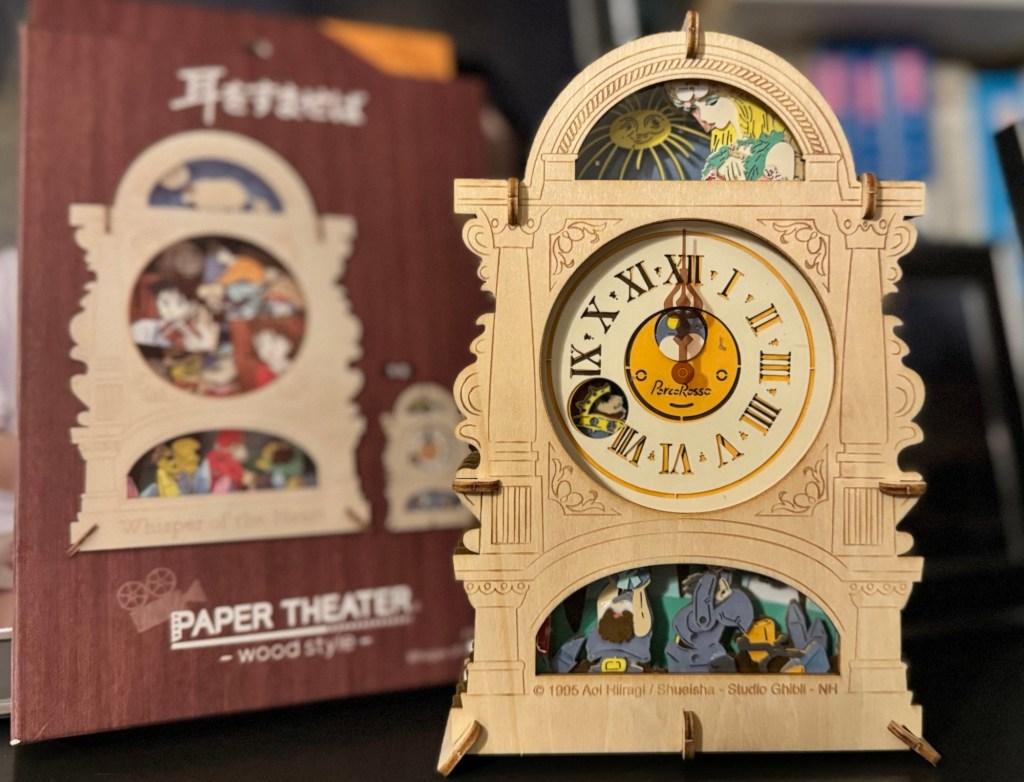
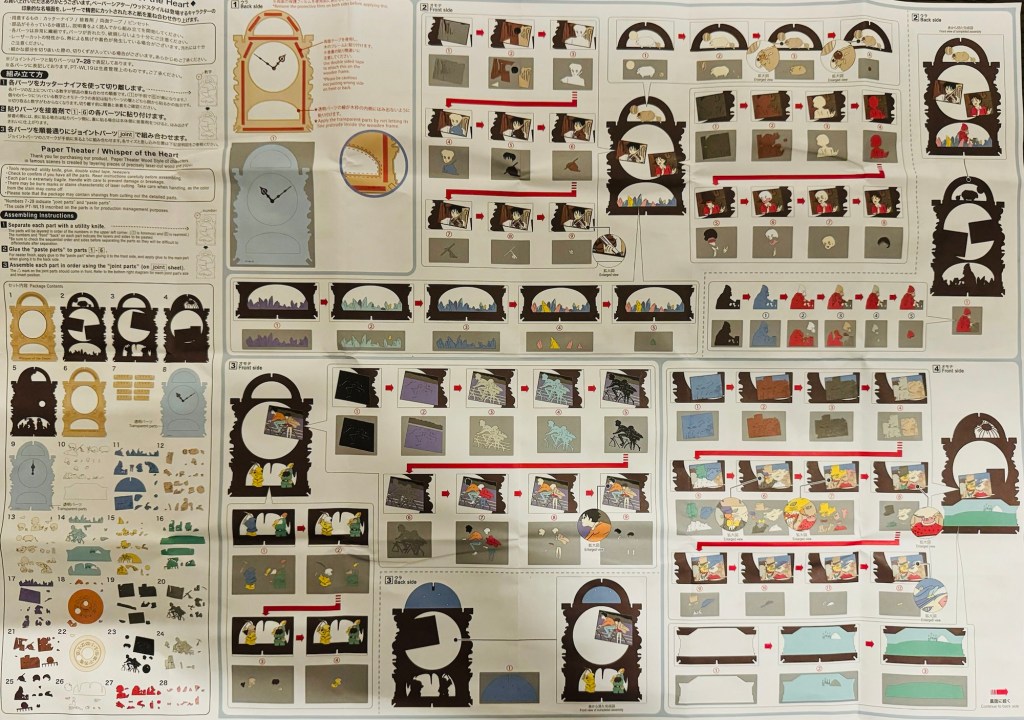
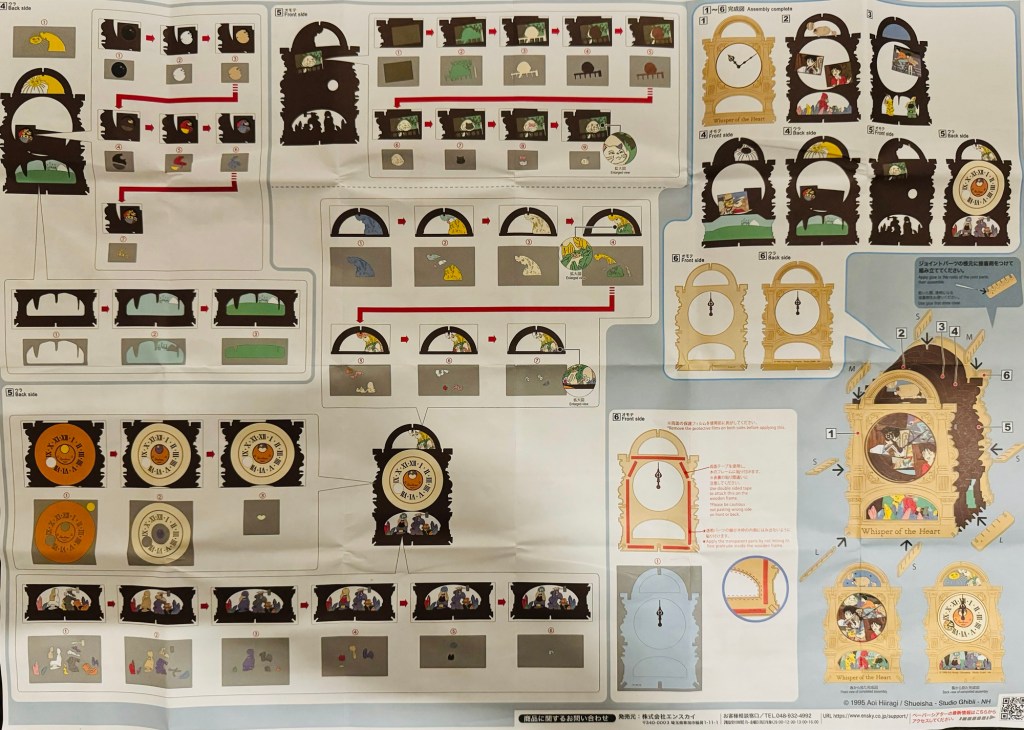
I’ve seen the Paper Theater models displayed at Ghibli stores several times, but this was my first attempt at building one myself. It turned out to be more complex and time-consuming than I had thought.
The process reminded me of my kindergarten and primary school art classes, where we used glue and tape to assemble paper and wood. In hindsight, starting with a simpler model with fewer parts would have been wiser. Nevertheless, I chose one of my favorite Ghibli anime models. Despite being clumsy with this kind of craft, the final product still looked decent. Since it required more craftsmanship than building Lego, the experience was more satisfying.
I have seen Paper Theater models for non-Ghibli anime, such as Haikyuu, One Piece, and Dragon Ball, so perhaps I’ll try one of those in the future.
Excerpt from his recent Dartmouth speech:
“Effortless”… is a myth.
I mean it.
I say that as someone who has heard that word a lot. “Effortless.”
People would say my play was effortless. Most of the time, they meant it as a compliment… But it used to frustrate me when they would say, “He barely broke a sweat!”
Or “Is he even trying?”
The truth is, I had to work very hard… to make it look easy.
I spent years whining… swearing… throwing my racket… before I learned to keep my cool.
The wakeup call came early in my career, when an opponent at the Italian Open publicly questioned my mental discipline. He said, “Roger will be the favorite for the first two hours, and then I’ll be the favorite after that.”
I was puzzled at first. But eventually, I realized what he was trying to say. Everybody can play well the first two hours. You’re fit, you’re fast, you’re clear… and after two hours, your legs get wobbly, your mind starts wandering, and your discipline starts to fade.
It made me understand… I have so much work ahead of me, and I’m ready to go on this journey now. I get it.
My parents, my coaches, my fitness coach, everyone had really been calling me out—and now even my rivals were doing it. Players!!! Thank you! I’m eternally grateful for what you did.
So I started training harder. A lot harder.
But then I realized: winning effortlessly is the ultimate achievement.
I got that reputation because my warm-ups at the tournaments were so casual that people didn’t think I had been training hard. But I had been working hard… before the tournament, when nobody was watching.
Maybe you’ve seen a version of this at Dartmouth.
How many times did you feel like your classmates were racking up “A” after “A” without even trying… while you were pulling all-nighters… loading up on caffeine… crying softly in a corner of Sanborn Library?
Hopefully, like me, you learned that “effortless” is a myth.
I didn’t get where I got on pure talent alone. I got there by trying to outwork my opponents.
I believed in myself. But BELIEF in yourself has to be earned.
There was a moment in 2003 when my self-belief really kicked in.
It was at the ATP Finals, where only the best eight players qualify.
I beat some top players I really admired—by aiming right at their strengths. Before, I would run away from their strengths. If a guy had a strong forehand, I would try to hit to his backhand. But now… I would try to go after his forehand. I tried to beat the baseliners from the baseline. I tried to beat the attackers by attacking. I tried to beat the net rushers from the net.
I took a chance by doing that. So why did I do it?
To amplify my game and expand my options. You need a whole arsenal of strengths… so if one of them breaks down, you’ve got something left.
When your game is clicking like that, winning is easy—relatively.
Then there are days when you just feel broken.
Your back hurts… your knee hurts… Maybe you’re a little sick… or scared…
But you still find a way to win.
And those are the victories we can be most proud of.
Because they prove that you can win not just when you are at your best, but especially when you aren’t.
Yes, talent matters. I’m not going to stand here and tell you it doesn’t.
But talent has a broad definition.
Most of the time, it’s not about having a gift. It’s about having grit.
In tennis, a great forehand with sick racquet head speed can be called a talent.
But in tennis… like in life… discipline is also a talent. And so is patience.
Trusting yourself is a talent. Embracing the process, loving the process, is a talent.
Managing your life, managing yourself… these can be talents, too.
Some people are born with them. Everybody has to work at them.
From this day forward, some people are going to assume that because you graduated from Dartmouth, it all comes easy for you.
And you know what? Let them believe that…
As long as you don’t.
OK, second lesson:
It’s only a point.
Let me explain.
You can work harder than you thought possible… and still lose. I have.
Tennis is brutal. There’s no getting around the fact that every tournament ends the same way… one player gets a trophy… Every other player gets back on a plane, stares out of the window, and thinks… “how the hell did I miss that shot?”
Imagine if, today, only one of you got a degree.
Congratulations, this year’s graduate! Let’s give her a hand.
The rest of you… the other one thousand of you… better luck next time!
So, you know, I tried not to lose.
But I did lose… sometimes big. For me, one of the biggest was the finals at Wimbledon in 2008. Me vs. Nadal. Some call it the greatest match of all time. OK, all respect to Rafa, but I think it would have been way way better if I had won…
Losing at Wimbledon was a big deal… because winning Wimbledon is everything.
Obviously, except winning the Dartmouth Masters pong title, sophomore summer.
I mean, I’ve gotten to play in some amazing venues around the world, but when you have the chance to walk onto Centre Court at Wimbledon… the cathedral of tennis… and when you finish as the champion… you feel the magnitude of the moment. There’s nothing like it.
In 2008, I was going for a record sixth consecutive title. I was playing for history.
I’m not going to walk you through the match, point by point. If I did, we would be here for hours.
Almost five hours, to be exact.
There were rain delays, the sun went down… Rafa won two sets, I won the next two sets in tiebreaks, and we found ourselves at seven all in the fifth.
I understand why people focus on the end… the final minutes so dark I could barely see the chalk on the grass. But looking back… I feel like I lost at the very first point of the match.
I looked across the net and I saw a guy who, just a few weeks earlier, crushed me in straight sets at the French Open, and I thought… this guy is maybe hungrier than I am… And he’s finally got my number.
It took me until the third set before I remembered… hey, buddy, you’re the five-time defending champion! And you’re on grass, by the way. You know how to do this… But that came too late, and Rafa won. And it was well-deserved.
Some defeats hurt more than others.
I knew I would never get another shot at six in a row.
I lost Wimbledon. I lost my number-one ranking. And suddenly, people said, “He had a great run. Is this the changing of the guard?”
But I knew what I had to do… keep working. And keep competing.
In tennis, perfection is impossible… In the 1,526 singles matches I played in my career, I won almost 80% of those matches… Now, I have a question for all of you… what percentage of the POINTS do you think I won in those matches?
Only 54%.
In other words, even top-ranked tennis players win barely more than half of the points they play.
When you lose every second point, on average, you learn not to dwell on every shot.
You teach yourself to think: OK, I double-faulted. It’s only a point.
OK, I came to the net and I got passed again. It’s only a point.
Even a great shot, an overhead backhand smash that ends up on ESPN’s Top Ten Plays: that, too, is just a point.
Here’s why I am telling you this.
When you’re playing a point, it is the most important thing in the world.
But when it’s behind you, it’s behind you… This mindset is really crucial, because it frees you to fully commit to the next point… and the next one after that… with intensity, clarity and focus.
The truth is, whatever game you play in life… sometimes you’re going to lose. A point, a match, a season, a job… it’s a roller coaster, with many ups and downs.
And it’s natural, when you’re down, to doubt yourself. To feel sorry for yourself.
And by the way, your opponents have self-doubt, too. Don’t ever forget that.
But negative energy is wasted energy.
You want to become a master at overcoming hard moments. That to me is the sign of a champion.
The best in the world are not the best because they win every point… It’s because they know they’ll lose… again and again… and have learned how to deal with it.
You accept it. Cry it out if you need to… then force a smile.
You move on. Be relentless. Adapt and grow.
Work harder. Work smarter. Remember: work smarter.”
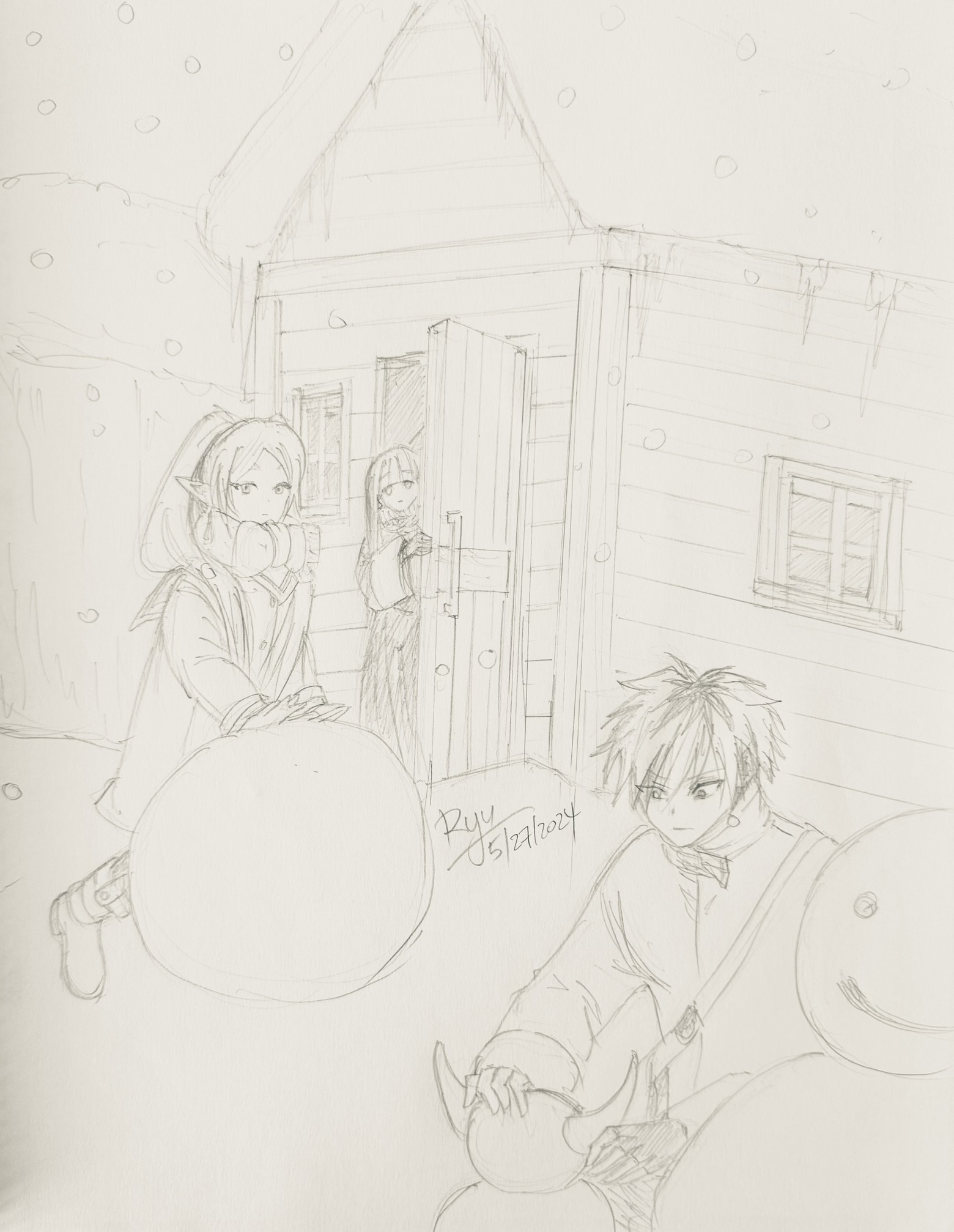


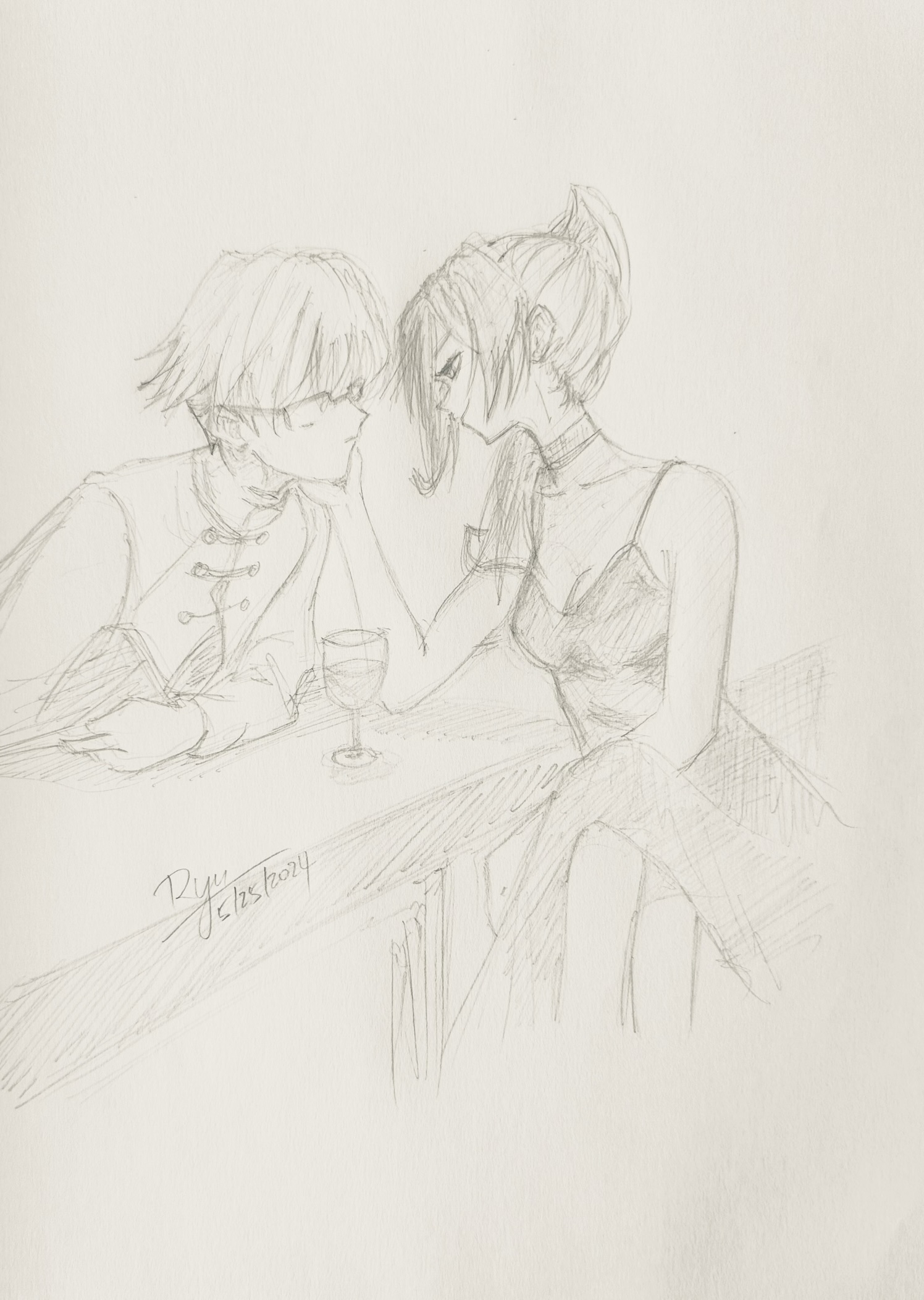


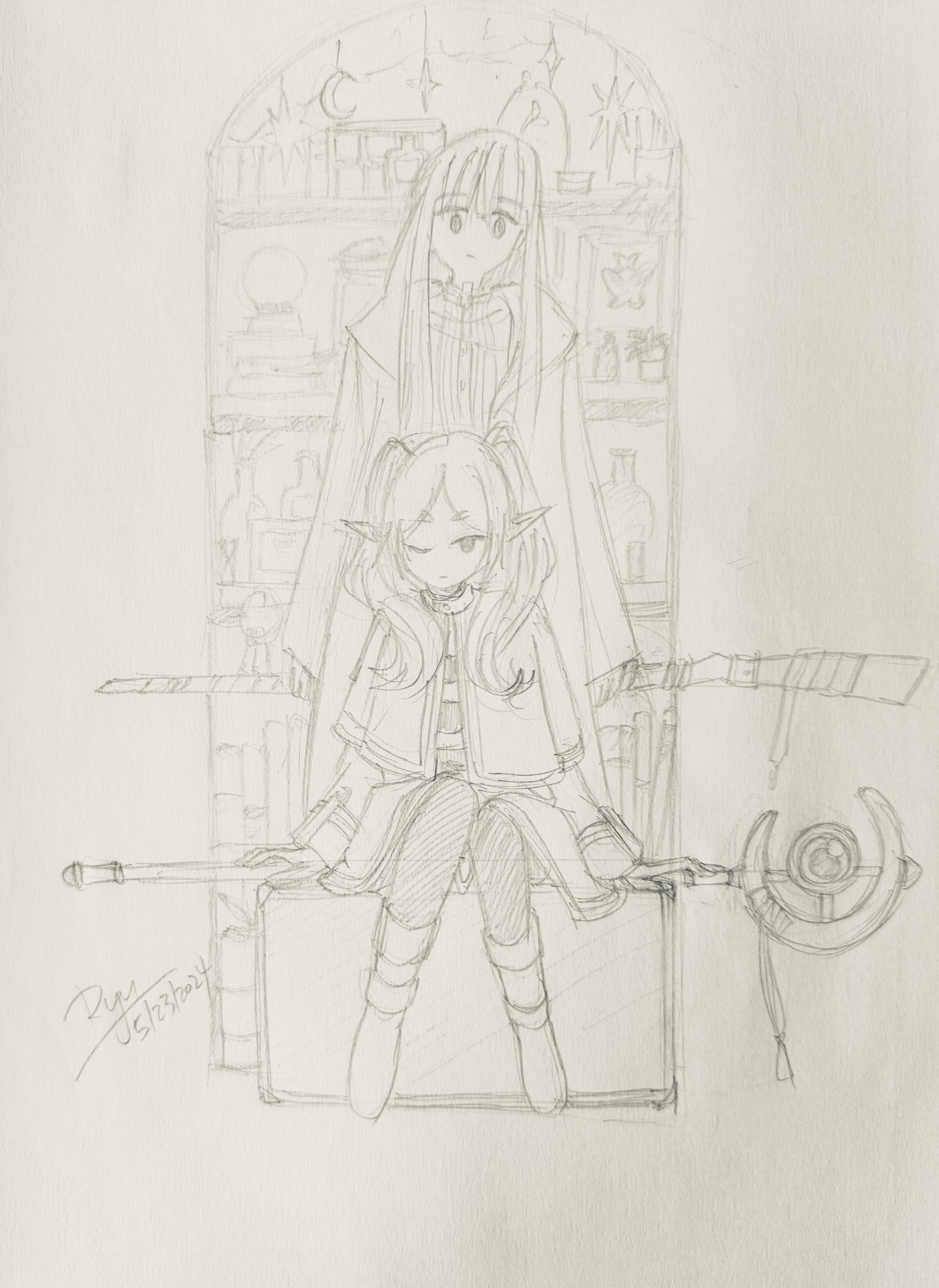
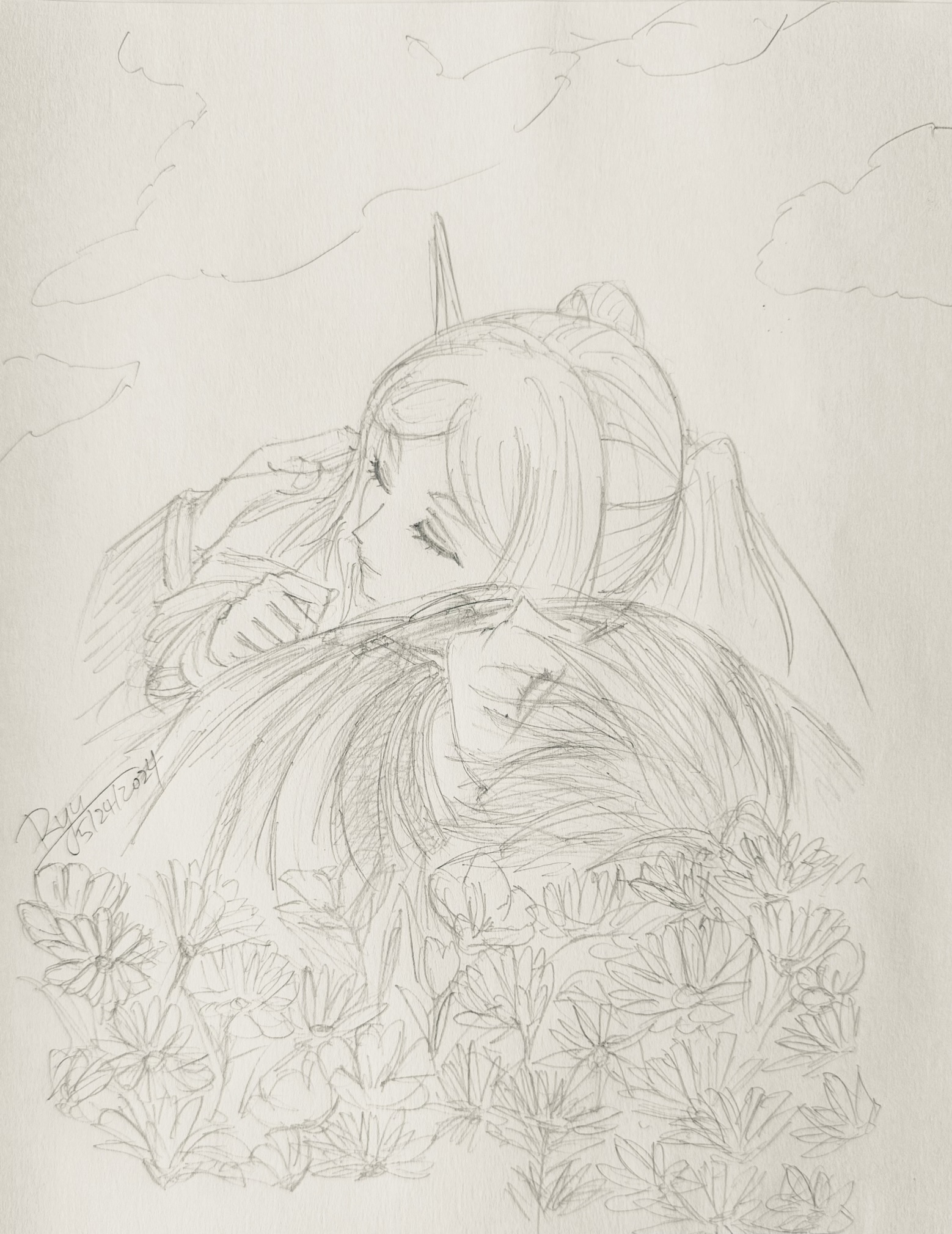
“But as long as our journey continues, we can always meet again. Tearful goodbyes don’t suit us. After all, it’ll be embarrassing when we meet again.” – Himmel
 Ryu's Blog