Ian Bogost describes gratification as the immediate delight of sensory experience. It is about noticing, sensing, and enjoying the small things in life. Best of all, most of them are free.
Some small pleasures I enjoy when I notice them:
The more we notice and appreciate the little things in life, the more meaningful and precious even ordinary, mundane moments become.
Excerpts:
Every day, you sustain a huge volume of encounters with small stuff, which, for the purpose of this book, I’m defining as any and all of the things you encounter with your senses and control with your body (or with tools and equipment), and which inspire delight in so doing.
……
The more you allow yourself to accept the weird, wonderful gifts that ordinary life constantly offers, the more their offerings will feel desirable, even transformative.
……
Happiness is overarching, big-picture contentment. Satisfaction is the pride in accomplishment. Gratification is the sensory enchantment of everyday life.
……
You have to work hard to be happy, and even to be satisfied. But gratification doesn’t require any work. Instead, feeling gratified involves a different pre-requisite: giving yourself permission to fully experience the sensory life that is always happening to you anyway.
……
Humor offers a lesson for feeling more gratified: The more open you are to letting it happen to you, the more receptive you become to it.
……
Learning to celebrate the gratifying moments that arise when your senses connect to the world also makes the moments more frequent and natural.
……
Gratification is a gift the natural and designed environment offers to you for free.
……
I see satisfaction as the pride that arises from a big accomplishment, and gratification as the immediate delight of sensory experience.
……
Think of ASMR as both a guide and permission to connect a little bit more with the ordinary tactile experiences that produce gratification. It’s okay to run your hands across the clothing in your closet before choosing an item to wear. It’s okay to smooth the bedsheet, even if you don’t make the bed. Holding the coffee cup–feeling its warmth and eliciting a deep sound from its hollow by tapping it–is also part of the reason you drink coffee, not just to wake up for another day at a job that might or might not make you happy.
……
Whether in the pursuit of happiness or satisfaction, wealth or power, accomplishments or objectives, a default attitude orients you toward the big stuff. And big stuff is almost always future stuff: reaching a raise or the next rank in your job, moving your relationship to the next level, helping your kids achieve their potential, improving your body through exercise or your mind through knowledge, and so on.
Reflecting on this state of affairs on our podcast, Oliver Burkeman said that one thing that helps him avoid that drive toward a constant, instrumentalist focus on the big stuff is “bringing attention to the senses. You know, just literally paying attention to sights, sounds, touch, smell, whatever, is a way of reducing the power that otherwise naturally goes to kind of compulsive thought.” The senses are where gratification happens.
……
These things aren’t important, not each one on its own. But all together, the small stuff infuses every beat of your life. Some moments are milestones, but most are instants. Every one of them wants to whisper a secret.
Jacob Schroeder sees money as just one measurable currency. Other currencies in life include attention, reputation, time, health, risk, discipline and play, gratitude, art, hope, love and kindness, and you.
Excerpts:
The downside of favoring the concrete over the abstract is a tendency to place a higher value on tangible, physical things than on the intangible, abstract things. You may want happiness, connection, peace and so on, but you can’t measure, value or touch those things, whereas a medium like money is quantitative and concrete. So, you get preoccupied by maximizing the medium (money) to create an illusion of getting closer to the outcome (happiness).
…
Control over attention is control over the direction of life, which takes place in a thousand small decisions. The artist and author Amy Krouse Rosenthal, who understood the preciousness of attention better than most, summed it up well in a Twitter post:
“for anyone trying to discern what to do w/ their life: PAY ATTENTION TO WHAT YOU PAY ATTENTION TO. that’s pretty much all the info u need.”
…
Time is the one currency perpetually in the minus column. Like water in your hands, it’ll slip away no matter how hard you grip.
And you may not want to grip too tightly. Eliminating every little inconvenience can also unintentionally eliminate things that make life rich, as if burning down your lawn to kill a few weeds. Better to hold your time loosely enough to live as Muir did, without suffering any feeling of haste.
…
A healthy lifestyle can pay real long-term dividends. But at the same time, a punishingly restrictive health routine — one that makes you think only of life as assets and liabilities to be calculated and measured rather lived — traps you into a chronic dissatisfaction of its own.
…
Because the law of life people are scared to speak out loud is this: it ends. Death is as much a part of life as birth. Put another way, the worst-case scenario is guaranteed from the start. So there’s no reason not to take a few leaps.
…
Studies suggest chasing happiness too far leads to unhappiness. The same trap waits at the other extreme for those who worship in the church of self-optimization — the 20-step morning routines, the cold plunges, the sleep scores. The harder you struggle to reach an unrealistic goal, the more pressured you feel to optimize and the more you fall short, leading you further away from the fulfillment you were chasing.
…
Giving thanks freely tends to create abundance in life, even in your finances. People who regularly practice gratitude are less impulsive with their spending and more focused on future financial goals. It also seems to make people less materialistic.
The fact is, there’s no outside appraiser assigned to value your life. As the psychiatrist Elisabeth Kübler-Ross observed:
“All abundance is based on being grateful for what we have.”
…art is a currency of expression, but most of all, a currency of connection. It enriches the creator and the viewer.
…
It’s why the actor Ethan Hawke frames art as essential currency for human flourishing:
“Human creativity — art — is the sustenance we need to nourish our souls… It’s the way we heal each other. In singing our song, in telling our story, in inviting you to say, ‘Hey, listen to me and I’ll listen to you,’ we’re starting a dialogue. We start to witness each other’s common humanity.”
…
Rather than operating like a scarce commodity, love and kindness given away enters what some spiritual thinkers call a “loop of grace”. The more you give, the more comes back to you.
And this isn’t just a nice sentiment, as research finds even small acts of kindness (a genuine compliment, a held door, waving a car in) tends to multiply, moving not just the person who receives it but even bystanders who merely watch it to pass one along. Drop a pebble in the pond, and the ripples widen far past where it landed.
…
What is it you plan to do with all your wild and precious wealth?
You’re never with nothing, you’re always carrying some kind of currency to give the world. So you’re going to have to decide. In fact, you never get not to decide. You’re spending your wealth continuously, one way or another, whether it’s the swipe of a credit card or the turn of the calendar. You might as well pour it into the things that make life worth living…
“The best ways, don’t always lead to the best results.”
“Most people have to act the roles given to them. Then again, most of them haven’t even noticed they’re acting.”
-Delita
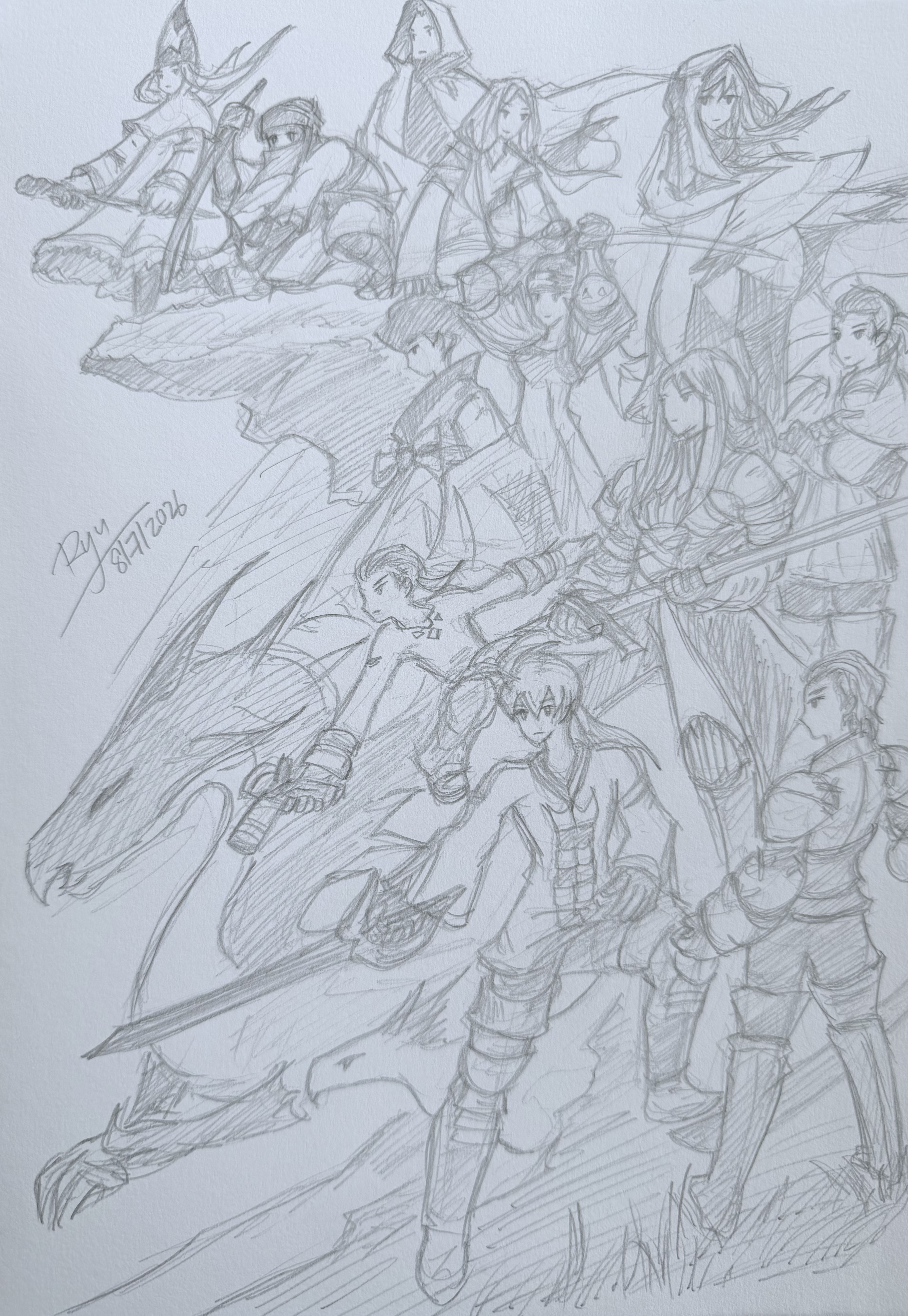
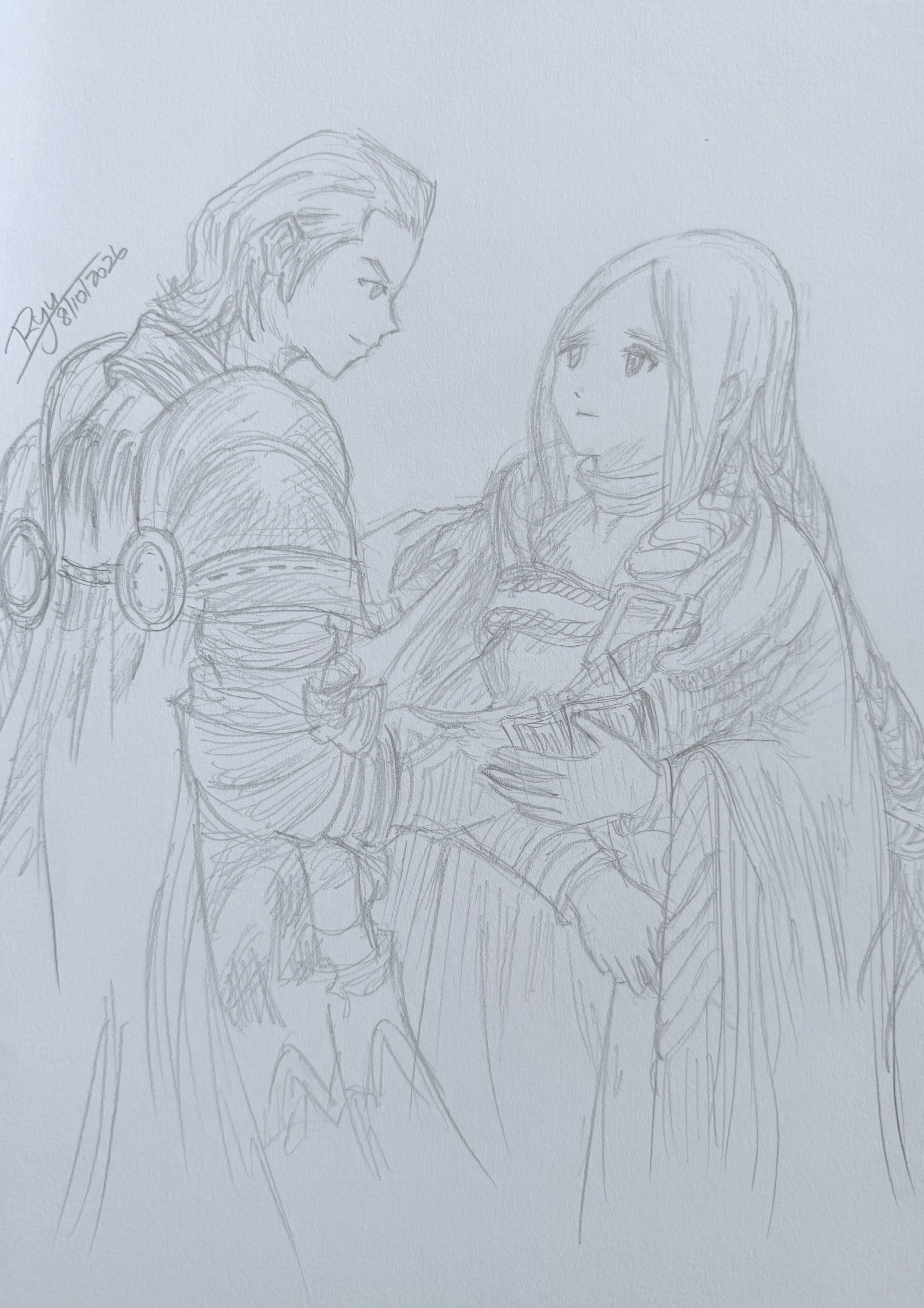
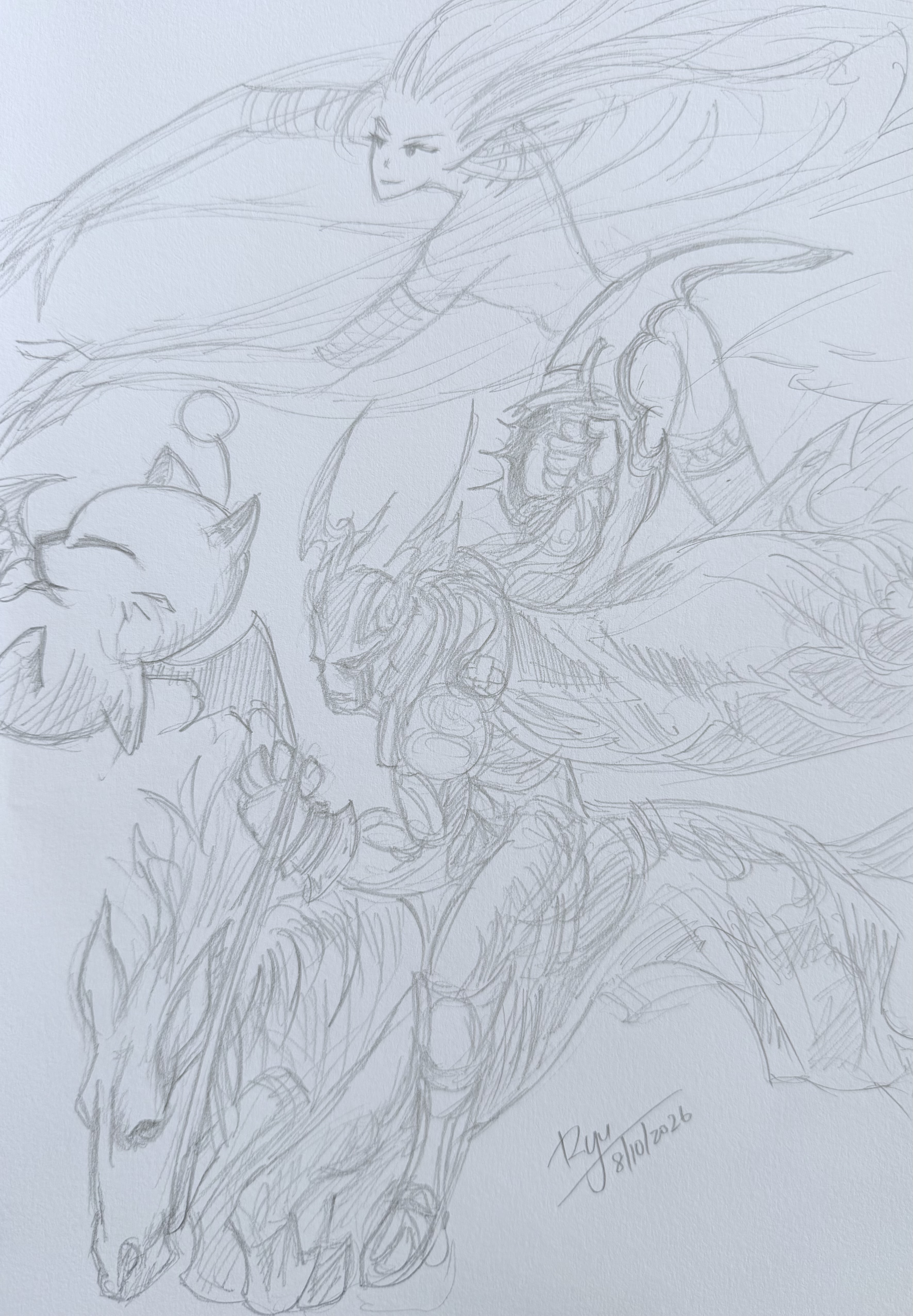
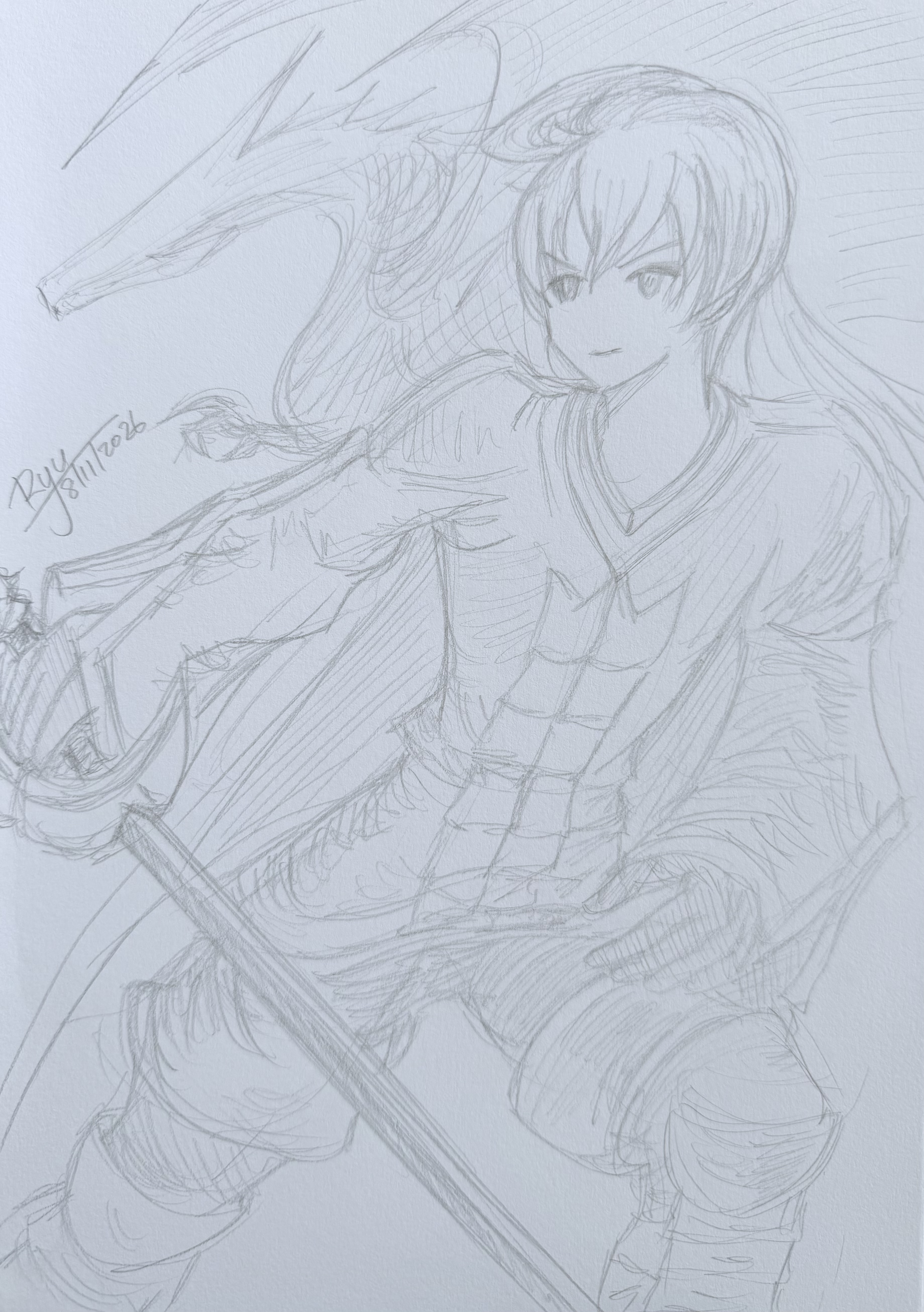
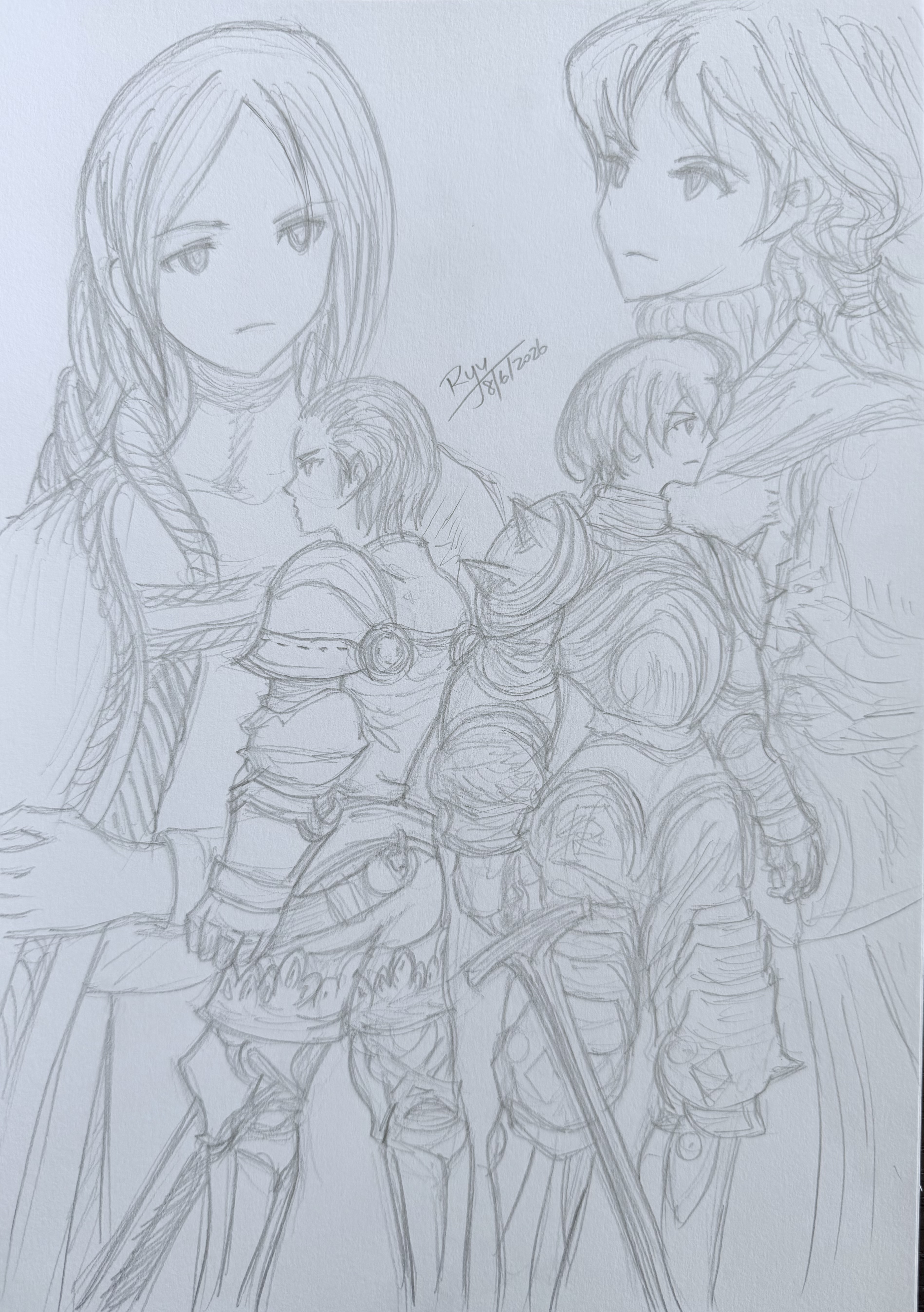
“If you need someone else to fulfill your dreams, it loses its value, wouldn’t you agree?”
“Your actions have meaning only if they hold true to your ideals.”
-Ramza
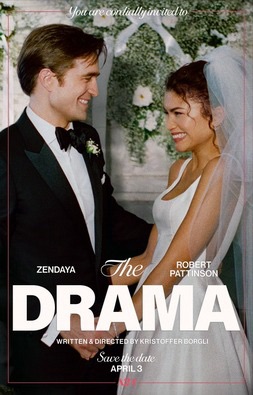
“Do you want to start over?…We could try, try it again?”
A seemingly ideal love story takes a dramatic turn. How well can we truly know someone? Can we be fully honest with another person, or fully accept them? Does intent or action matter more? How much do people change, and how much should their past matter? Is there a coherent self? Which matters more: who someone is or the story we tell ourselves about them? Why do we seek external validation and reassurance rather than trust our own feelings?
Here’s a review.
A related article on marriage and doubt:
“The nightmare situation, for the couples in the film and the series, is that they have no way of knowing for certain that they are doing the right thing in marrying the person they’re engaged to. The monster under the bed is doubt…And Rachel comes to realise that she will never know whether Nicky is her soulmate unless she says I do and finds out. “You can’t rely on certainty, because there is no certainty in marriage, in love, in anything. The only certainty in life is death,” she says.
After many years of taking it head-on and climbing and riding my fair share of birches, I’ve realised that maybe it’s simply about the joy, not the pursuit of making a grand, cosmic point. It’s all in the looking and striving, and the making. And the lessons we learn from hard work. Maybe it’s as simple as we sing for the sake of singing, even more than for the song. It’s about the doing, the minute-to-minute decision-making, the total focus, the mind and the eye and the hand all joined in dance.
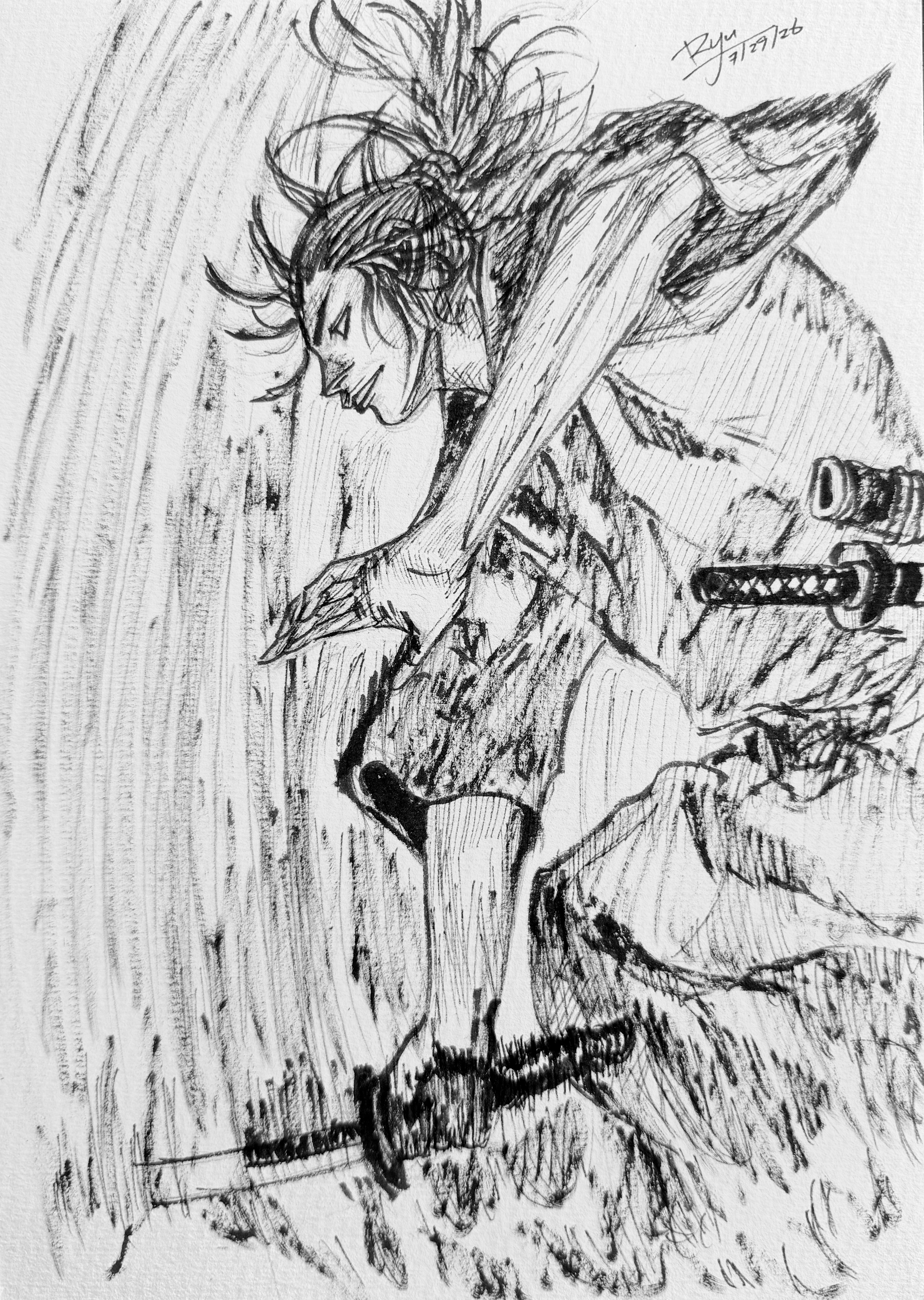
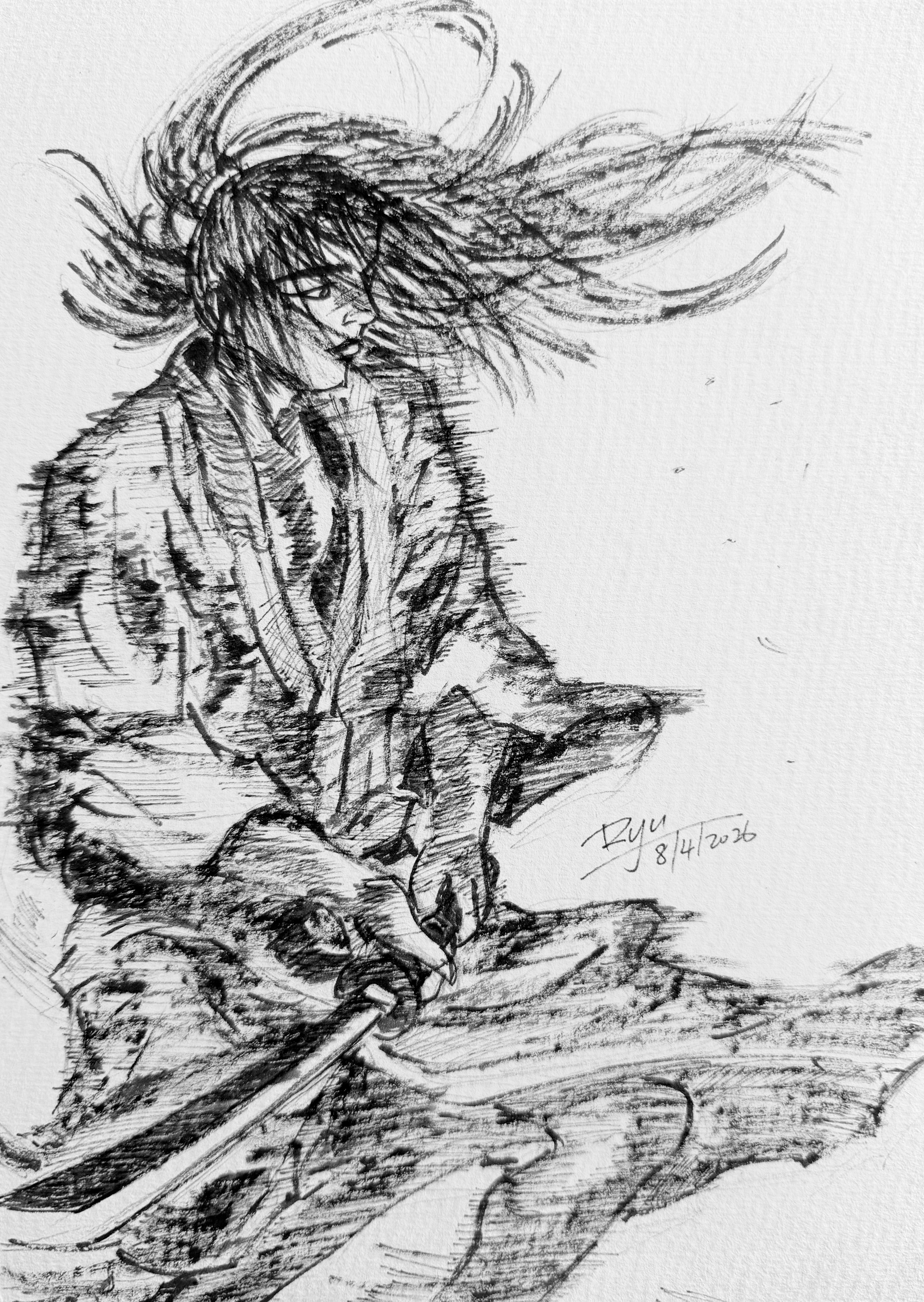
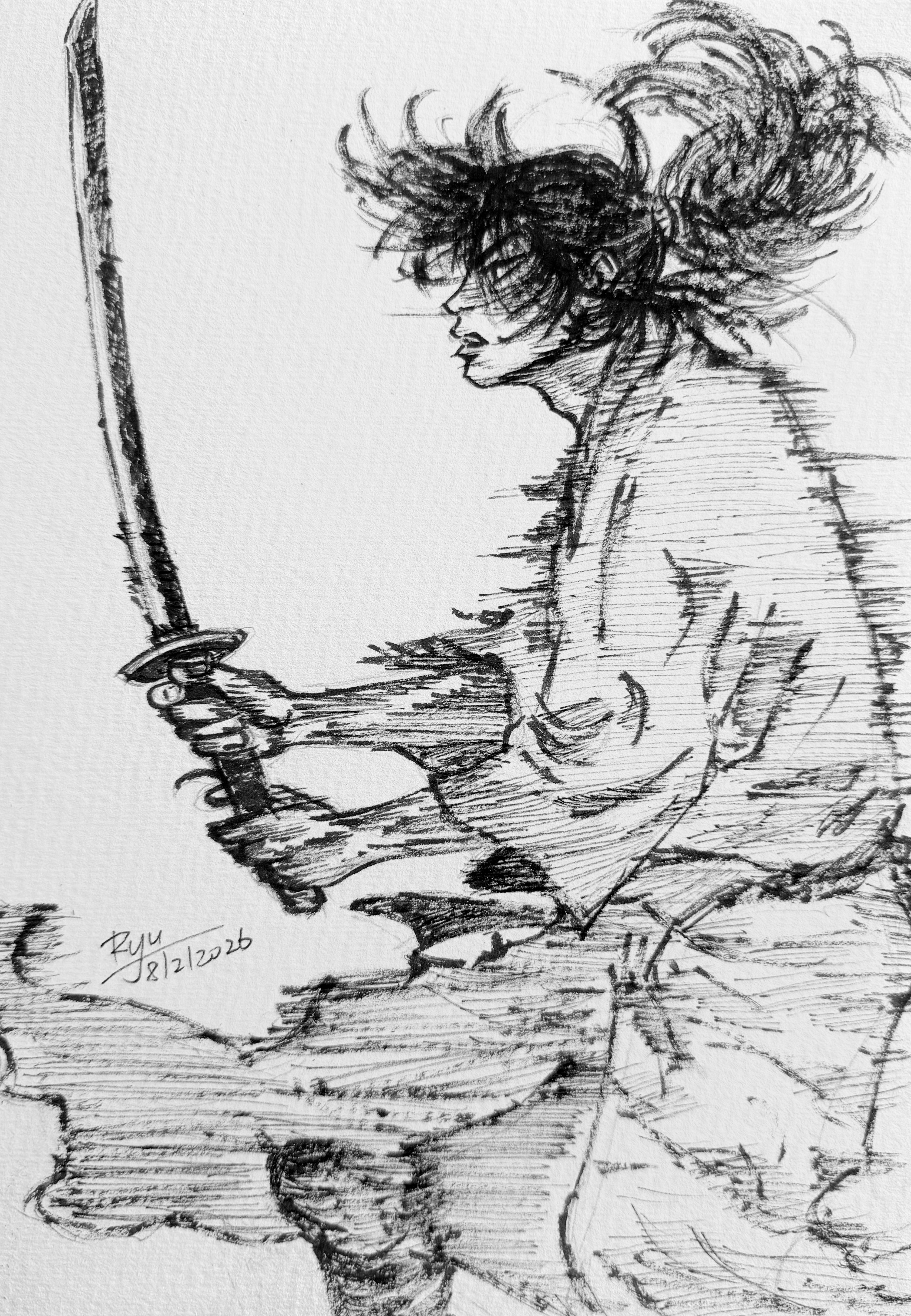
Frank Miller is a comic book artist, screenwriter, and film director. This book offers a glimpse into his artistic journey and creative process, along with plenty of advice.
Here’s a podcast he did with Tim Ferriss.
Excerpts:
Despite what so many people tell you, go ahead and take criticism personally. Take it damn seriously. Let it hurt. That will make you remember it. That will make you learn from it. Humiliation can make you crumple, yes, but it can also make you tough.
Artists know how things work. They figure it all out on the page, on the canvas, on the whatever.
A dedication to craft and process and an undying commitment to hard work is the only true path to artistic achievement.
Rest easy, you’re exactly where you need to be–toiling in relative obscurity. “Paying your dues,” as they call it, and learning your craft, line by line, inch by inch: the anatomy, the perspective, the expressions, the buildings, the cars, the million drawing problems, the million drawing decisions, and the million cartooning decisions, all in your hands and nobody else’s.
So be diligent and bold, two essentials for living an examined, creative life.
I use tracing paper to rough out the images. With pencils and markers, I draw, redraw, draw over, erase, draw again; I wrestle with it until I find it: the lasting image that emerges from this search. Then I lay out the story on matte paper and , as I go, I cut and slash as if I were in a film editing room. A lot gets thrown away, like film on an editor’s floor. I can’t afford to be precious with the words or the pictures–if it doesn’t work, it doesn’t work. I’ve got a nice big trash can next to my drawing board just for this purpose. I’m not one to have quotes handing around for inspiration, but, if I did, the first to make the cut would certainly be the one from the British writer Arthur Quiller-Couch: “Murder your darlings.”
Pushing the wall in bold provocation and quietly honing your craft are not mutually exclusive impulses. The opposite is true, they often work hand in hand, and in most cases, if you have one without the other, you really won’t have anything.
What I really wanted to do was draw and write. The city’s chaotic thrum worked its strange magic on me and stories burbled in my head. I took my sketchbook everywhere and embraced spontaneity–I drew what I saw, and my mission was to see everything.
When I’m getting too precious with anything–writing, thinking, drawing–and trying to protect it from error and change, I’m sheltering it from life. And this tells me I’m afraid, and if I’m afraid, my art will suffer, my drive will weaken–and the work itself will become fearful and tentative.
So do just that: start over. Loosen up and play. Go back to using your whole arm when you draw. Mistakes aren’t your enemy; fear is.
Whether it was Son of Sam or urban decay, nothing stopped New Yorkers from getting on with their lives. Persistence: that was (and is) another one of my favourite things about New York City.
I sketched and worked on my drawing skills in the park. I did that everywhere, really, but Washington Square had it all: the fountain, the arch, the view up Fifth Avenue to the Empire State Building, and the people, all the varied and wonderful people.
Some simple story rules: (1) Start your story as late into the action as possible; end it as early into the action as possible. (2) Get your hero into trouble fast. That, or give the hero a pressing problem to solve. I work on the spine of the story and future out how it starts and ends, and then roughly plot the in-between. To do this, I make notes and create scenes that will advance the storyline, but allow room for digressions and narrative side streets. Along the way, I’ll make some preliminary sketches to illustrate some of my ideas so I don’t lose them in the burst and whirl of the initial creative process. But I don’t normally draw much of anything narrative until I’m comfortable with the outline and confident with the storyline. I want to be sure my story’s spine is strong enough to take a beating from the starts and stops, mistakes, and happy accidents that happen when I’m battling it out on the boards. Through it all the mission never changes: tell a good story. And tell it as concisely and drastically as I possibly can.
Eventually I learned that to get over any perceived failure, you just have to get back into the ring. You have to stay with it and keep at it, long enough for time to help you transmute the experience and derive some meaning from it.
I knew I was taking big chances. But taking chances is what it’s all about. If you’re not taking chances, if you’re not challenging yourself, you are not leading a creative life.
The ups and downs of Ronin taught me that, ultimately, it’s about the process, not the outcome. If you bravely put your whole self into the making of something, you’ll enjoy it, no matter how it shakes out. And that tells me that if you aren’t enjoying your work, then you are probably not being brave enough. Get out there, go beyond your comfort zone. If it all works out, so be it. If it doesn’t, so what? –there’s still the next thing, the next crazy idea, the next mistake. In the endeavour to make, that’s where the meaning lies.
Heroes, as they struggle to overcome the stacked odds, reflect back our innermost feelings–self-doubt, confusion, desire, loneliness, love, and hate. There is a commonality to these emotions: we all share them. So by tapping into a myth, you tap into the human experience writ large.
Criticism is a consequence of living a creative life.
Never forget: failure is your friend. It makes you reevaluate and reanalyse. Just as success can be a treacherous lover, failure can be a harsh sensei. Suffer it. Survive it. Be grateful for it. Nothing will teach you more.
The grand old philosopher Aristotle said that true happiness is a state where all your energies are channeled along the lines of excellence. Happiness isn’t something someone gives you or something that arrives, it’s something you achieve by way of work and fulfilling purpose.
If you’re not there, you don’t need a magic wand, just take a few simple steps in the right direction. And then a few more steps. Make these ones quicker.
My career is the result of hard work, persistence, and good fortune. There is the day-in-day-out labor of drawing and writing and the confidence that comes with that. Confidence that my ideas are worth pursuing, word by word, picture by picture, book by book, for as long as it takes, or that, worthy or not, right or wrong, I have to pursue them. That’s who I am. That’s what I do. It’s the result of feeding on the energy that comes from a life’s quest for artistic freedom.
Chinatsu: Whatever goal you have, my answer would be to support you, and continue to say: “If it’s Taiki, it’d be fine.” If you stumble, I will stay by your side and walk with you until you move forward.
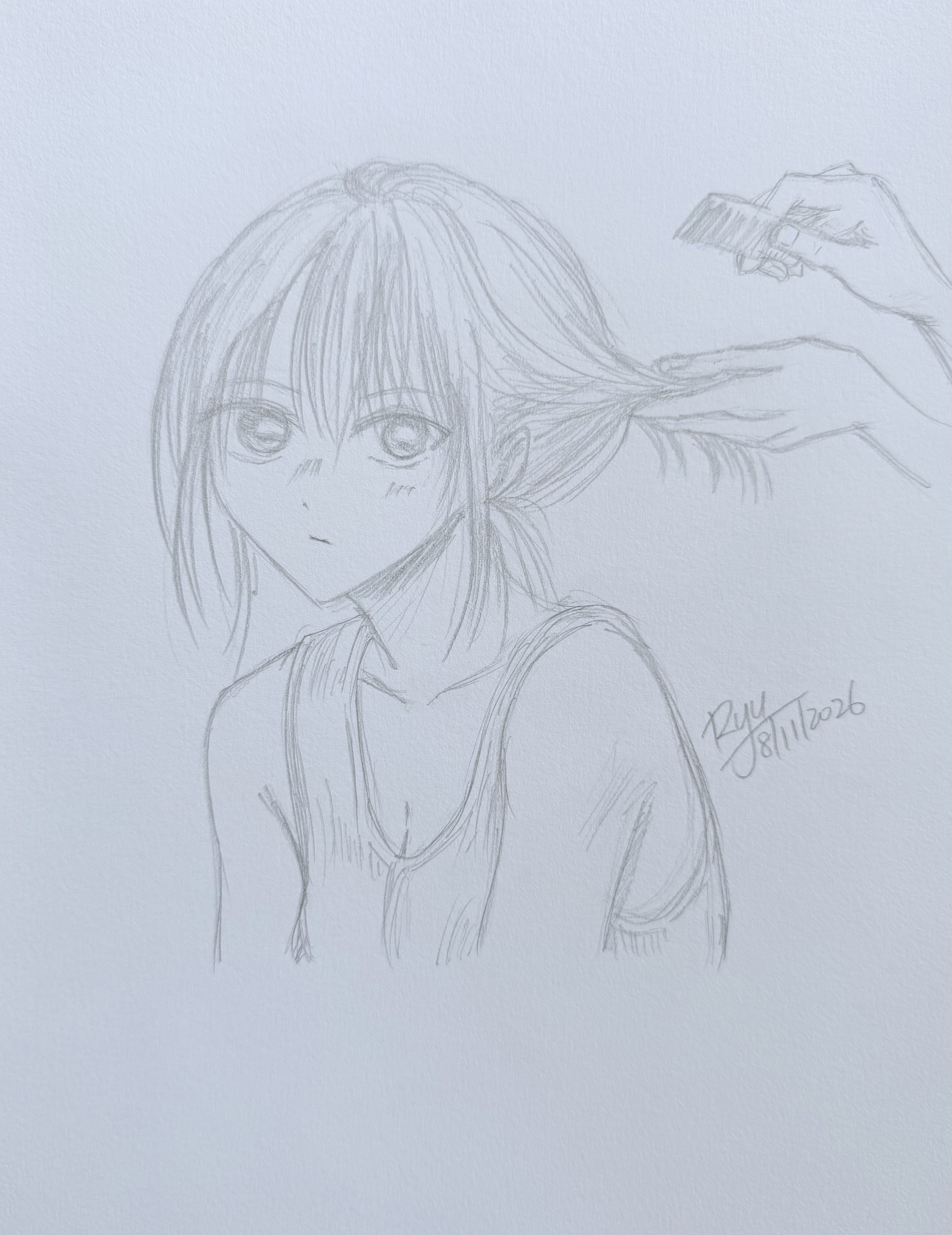
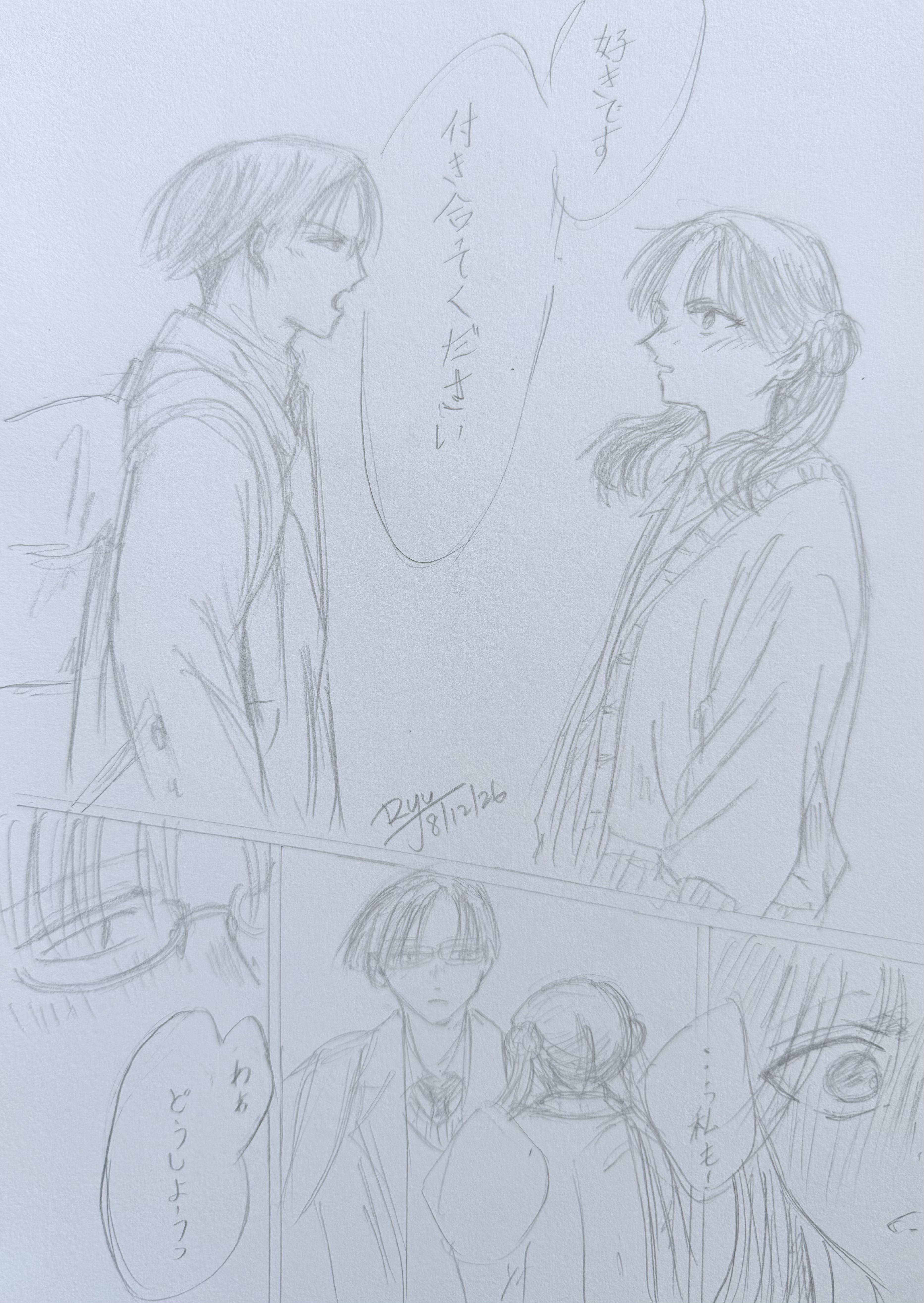
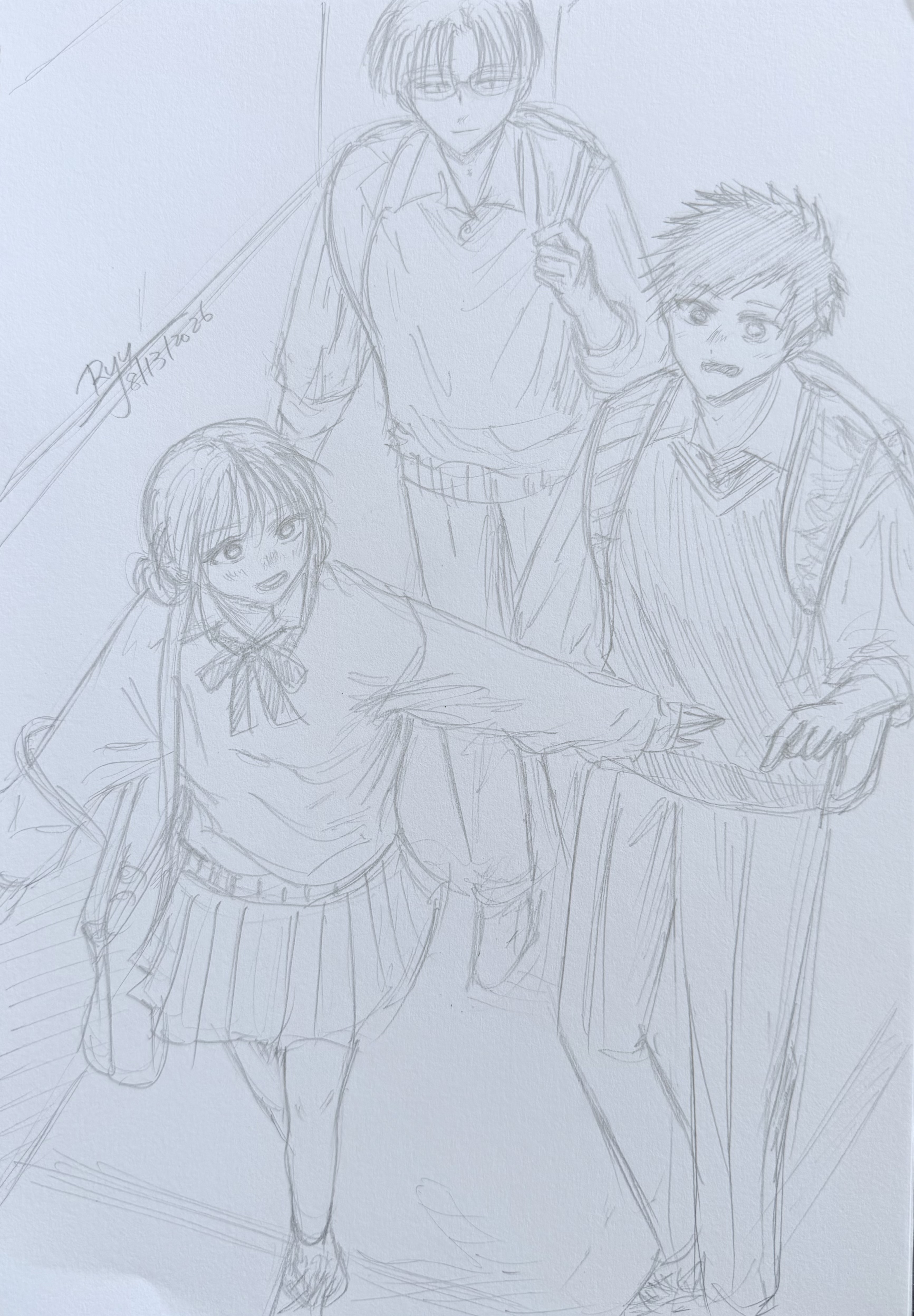
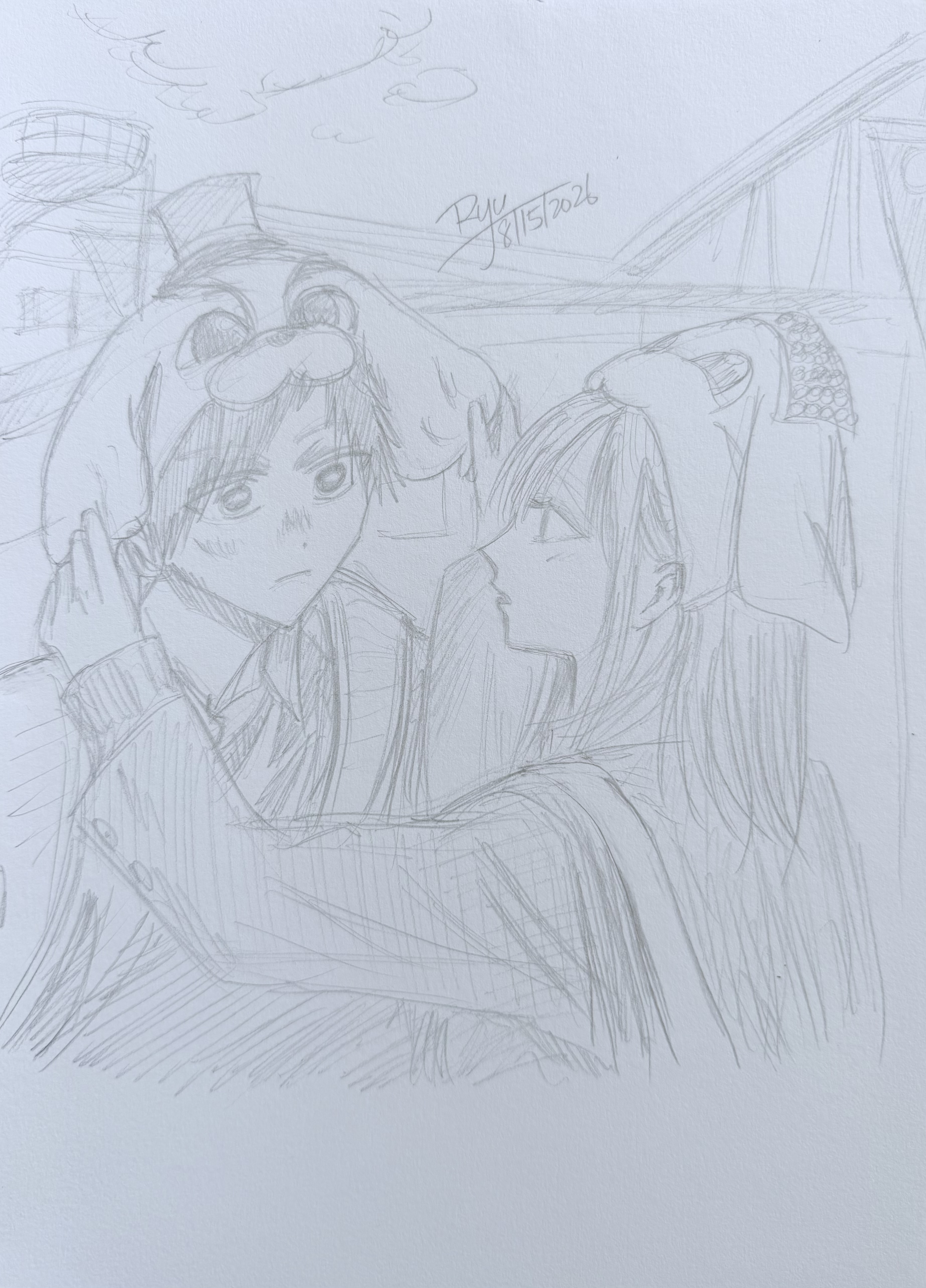
Hina (thinking to herself): We can’t return to those days. If I didn’t fall in love with him…if we have just remain friend…
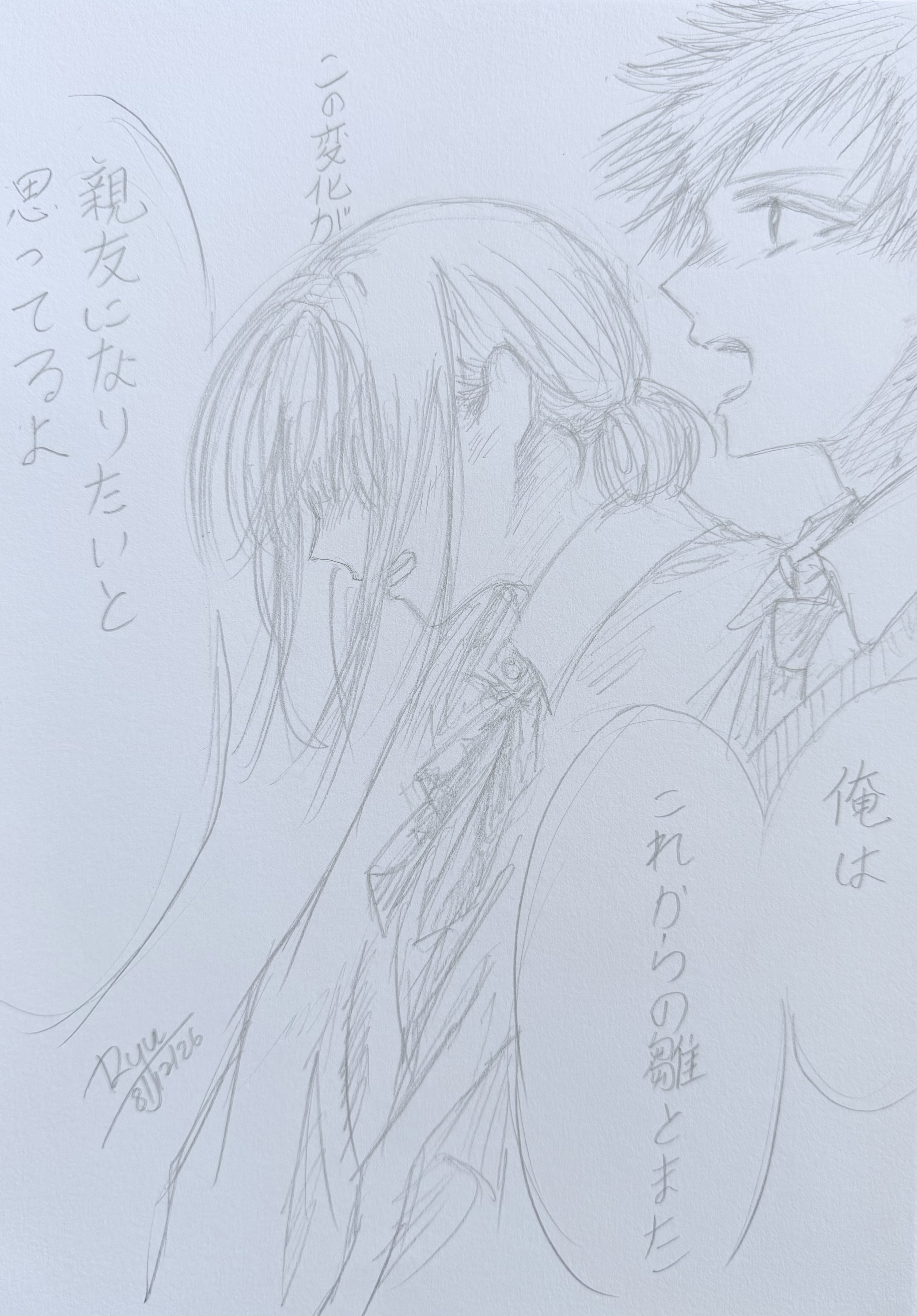
Taiki: Even if things changed, I still want to become your close friend once again…
Hina: …I’m glad to have someone I like. Even though I was rejected, even though that person had a girlfriend. I’m happy to spend time with him. His words just make me feel better. But this is the end. I will bury this feeling in a box and return it to the earth. This way I can also spread my wings more freely. So thanks for everything. And let’s become close friend again.
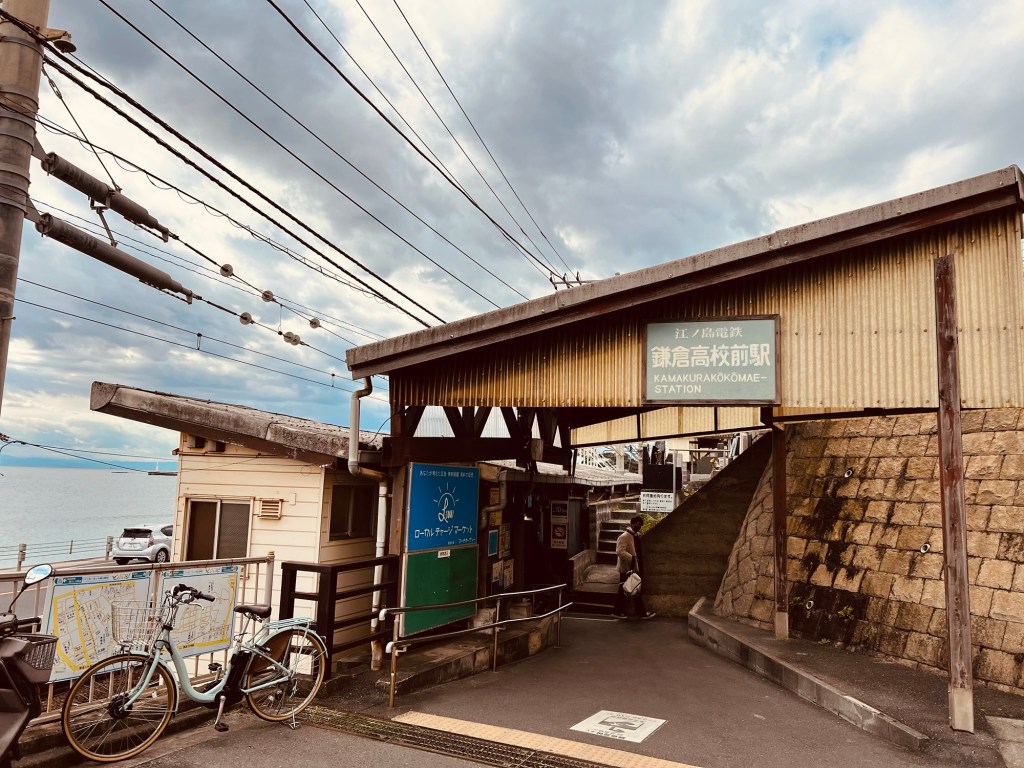
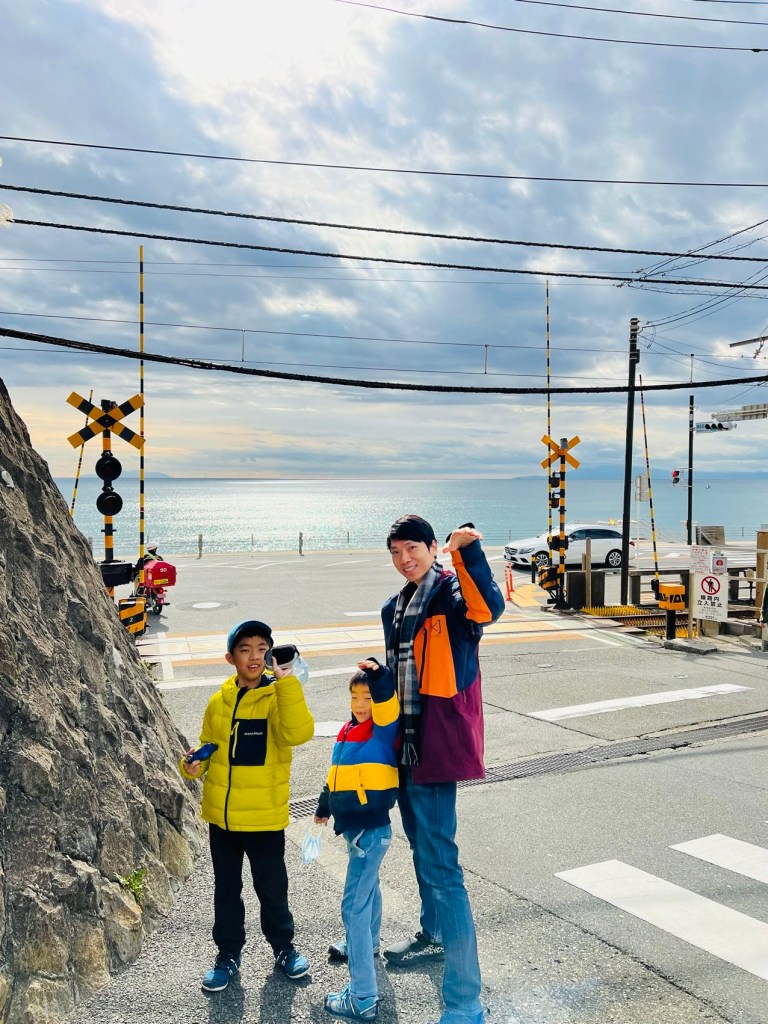


Kevin Kelly argues that money is usually not the main constraint on following our dreams and offers some tips in his post.
I also value becoming over acquiring. That said, what we can become is constrained by different phases of life. When we are young, we tend to have more time and better health but less wealth. As we get older, we might have more wealth but less time. Since my health will likely decline with age, I’m prioritizing sports and athletic pursuits over hobbies I can still enjoy later in life.
Eventually, as we approach the end of life, perhaps becoming gives way to being: being content, being present, and savoring the little things.
Excerpts:
The point of my exercise is that most people’s dreams are not gated by money. Sure you need some money, but you probably don’t need as much as you might imagine. You most likely don’t need multi-million dollars to start your dream.
The bottleneck for most dreams is not financial. It’s a lack of confidence, willingness to take a risk, and face failure, or a lack of imagination of what is possible with current resources. If you want to write a novel you don’t need capital — you need discipline and 1,000 words a day…
Money is the fuel you need for a trip – but it is not the goal of the trip. You most likely don’t need more money to accomplish your dream. You need time, skill, relationships, courage, and perseverance.
…
Focus on being valuable, helpful, interesting, weird, rather than on being rich.
…
The goal is not to acquire, but to become. At your funeral people will remember what kind of person you were, not what kind of stuff you had. Your everyday life will need money, and no matter what you do, a fair measure of it will flow through your days. But beyond some minimal amount (way less than a billion) money is not important to who you become. Other assets like your character, your ethics, your work, your relationships, your word, your spirit, your drive – these are your real treasures. Use them to achieve your dreams.
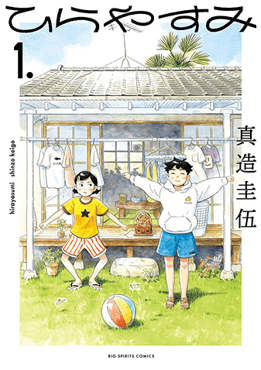
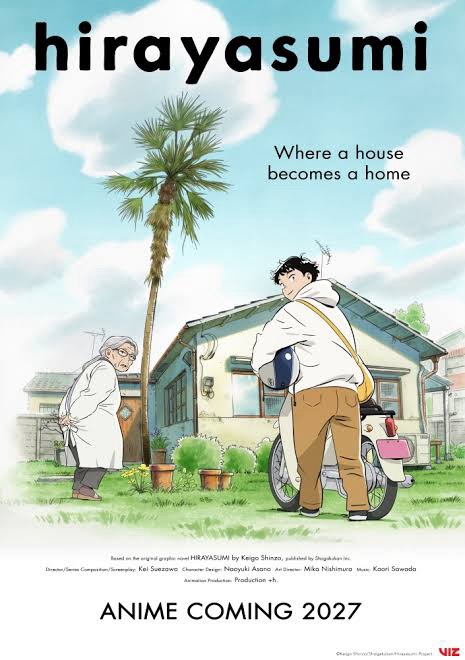
This is my favorite manga I’ve read recently. Every character has their own dreams, struggles, and personality. There are neither heroes nor villains, just people trying to live as best they can, facing their weaknesses and dealing with life’s ups and downs. The story is about the little things in life and how the characters’ interactions affect one another.
I’m usually drawn to ambitious, hardworking characters, but the protagonist in this manga is the opposite. He doesn’t like competition and has little desire to pursue the things society values. Instead, he prefers to go with the flow, enjoy the little things in life, and take time to be there for others. These are traits I admire but sometimes neglect.
The story reminds me to savor the ordinary scenery of life a little more. The best times are often the ones we spend with our loved ones doing seemingly stupid and meaningless things.
P.S. It will be adapted into an anime, and I’m looking forward to watching the drama version as well. Here’s some background on the author and the manga.

